The April Summit: Why Trump’s Xi Diplomacy Masks Domestic Fragility
A Tale of Two Readouts
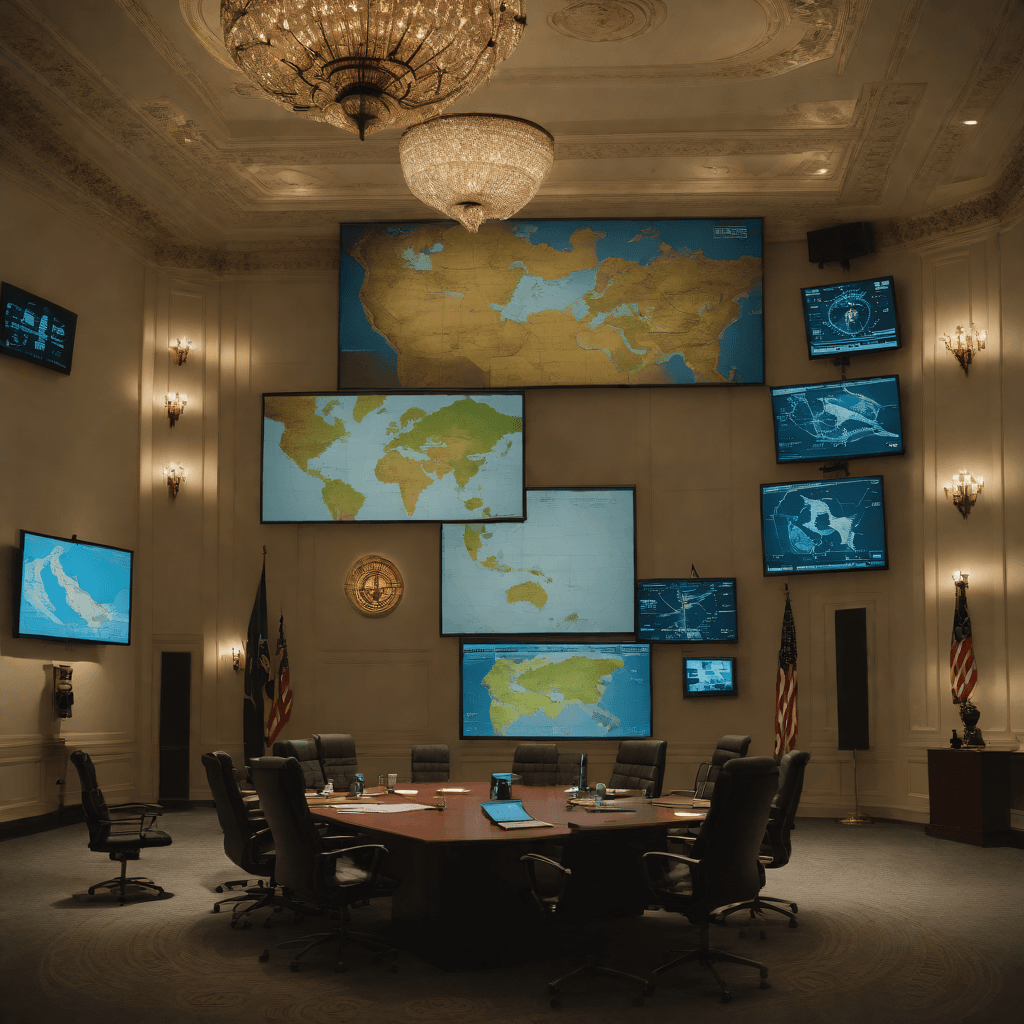
The February 4, 2026, phone call between President Donald J. Trump and President Xi Jinping revealed a widening chasm between Washington’s performative optimism and Beijing’s strategic rigidity. While the White House characterized the conversation as "thorough" and "excellent," the Chinese Ministry of Foreign Affairs (FMPRC) issued a stark reminder that the "Taiwan question" remains the "most important issue" and a definitive "red line" in bilateral relations. This rhetorical dissonance suggests that the upcoming April summit in Beijing may be less about resolving structural conflicts and more about maintaining a diplomatic veneer while domestic crises simmer at home.
President Trump appears to be leveraging immediate economic metrics to signal a return to the transactional diplomacy that defined his first term. According to official reports, the administration is prioritizing immediate trade concessions to placate the American agricultural heartland navigating the 2026 economic transition. However, for industry analysts, these transactional wins feel like a temporary bandage on a relationship hemorrhaging over fundamental security concerns. While trade provides a headline-friendly victory for the administration, the true cost of this stability is the reaffirmation of long-standing geopolitical constraints.
The Persistence of the Taiwan Red Line
The price for this "excellent" dialogue was a public recommitment to the "One China" policy, a significant pivot that aligns with President Xi’s demand for extreme caution regarding U.S. interference in sovereign affairs. Xi’s assertion, as reported by the FMPRC, that Taiwan "will never be allowed to separate" stands in direct tension with the continued military support frameworks maintained by the Department of Defense. This creates a policy paradox where the administration is equipping a regional partner while simultaneously pledging to honor the sovereign claims of its primary adversary.
Beijing’s demand for "extreme caution" directly challenges the administration's "America First" strategy of utilizing defense exports as both a geopolitical deterrent and an industrial stimulus. From the perspective of the American defense sector, these exports are a fulfillment of deregulation goals; however, Xi’s explicit warnings suggest that continued military aid may carry a diplomatic cost that complicates other priorities. Regional analysts warn that the underlying structural risks in the Taiwan Strait remain at their highest levels in the early months of 2026.
Diplomacy as a Domestic Shield
The hyper-focus on the April summit serves as a timely geopolitical distraction from the systemic vulnerabilities currently plaguing the American domestic landscape. As the administration touts diplomatic breakthroughs, critical infrastructure continues to show signs of decay, and the "Adjustment Crisis" of labor displacement remains largely unaddressed by the current deregulation-first agenda. By framing the Xi call as a triumph of personalized diplomacy, the executive branch shifts the narrative away from the "zombie news" of crumbling bridges and toward high-stakes international theater.
In cities like Chicago and Pittsburgh, the disconnect is becoming impossible to ignore. White-collar workers displaced during the current Adjustment Crisis find little comfort in international summits when the physical systems they once managed are failing due to a lack of federal investment. This experience reflects a growing national sentiment: that the administration is prioritizing the optics of a "CEO Monarchy" on the global stage while essential services—from airline scheduling to judicial efficiency—wither under the banner of deregulation.
The April Mirage
Ultimately, the personalized nature of the Trump-Xi relationship serves as a mask for a geopolitical impasse that neither side seems willing to resolve. The April summit may provide the spectacle needed to bury headlines about legacy system failures, but it cannot fix the fundamental vulnerabilities of a nation in transition. The administration’s agreement to honor the "One China" policy indicates a pragmatic surrender to geopolitical reality in exchange for a favorable photo op.
As the digital privacy walls of the EU grow higher and domestic automation continues to hollow out the middle class, the "America First" strategy risks isolation. The grand theater of the Beijing summit may dominate the news cycle, but it offers no solutions for the silent crisis of a workforce being replaced by the very algorithms the government is rushing to deregulate. If we successfully automate the labor that once defined our purpose, what remains to anchor the national identity when the diplomatic spotlight finally fades?
Sources & References
President Xi Jinping Speaks with U.S. President Donald Trump on the Phone
Ministry of Foreign Affairs of the People's Republic of China (FMPRC) • Accessed 2026-02-05
President Xi emphasized that the Taiwan question is the 'most important issue' in China-US relations. He stated that Taiwan is China's territory and that China must safeguard its sovereignty and territorial integrity, asserting it will never be allowed to separate.
View OriginalReadout of President Donald J. Trump’s Call with President Xi Jinping of China
The White House • Accessed 2026-02-05
President Trump described the conversation as 'excellent' and 'thorough.' At President Xi's request, Trump agreed to honor the 'One China' policy. The call also touched on trade, Ukraine, and Iran.
View OriginalTaiwan Arms Sale Package: $10 Billion
ChinaTalk / Brookings Institution • Accessed 2026-02-05
Taiwan Arms Sale Package recorded at $10 Billion (2026)
View OriginalProposed Chinese Purchase of US Soybeans: Unspecified Increase
Yahoo News / White House Readout • Accessed 2026-02-05
Proposed Chinese Purchase of US Soybeans recorded at Unspecified Increase (2026)
View OriginalRyan Hass, Director of the John L. Thornton China Center
Brookings Institution • Accessed 2026-02-05
A potential Trump administration might approach the Taiwan Strait with a possible downplaying of conflict risks and an emphasis on cross-Strait communication.
View OriginalBonny Lin, Director of the China Power Project
Center for Strategic and International Studies (CSIS) • Accessed 2026-02-05
Surveying the experts on the overall US-China relationship, including the risk of military conflict over Taiwan entering 2026.
View OriginalXi Jinping tells Trump Taiwan 'will never be allowed to separate'
The Straits Times • Accessed 2026-02-04
Focuses on the specific language used by Xi regarding territorial integrity and the 'red line' of the Taiwan issue.
View OriginalXi and Trump discuss trade and Taiwan in first major call of 2026
Channel News Asia • Accessed 2026-02-04
Highlights the economic aspects of the call, specifically the mention of increased soybean purchases by China.
View OriginalXi Jinping and Trump exchange views on Taiwan and trade in phone conversation
Caixin Global • Accessed 2026-02-04
Provides a Chinese perspective on the call, emphasizing the need for mutual respect and cooperative trade relations.
View OriginalWhat do you think of this article?