The Hiroshima Barometer: Ground Zero and the Search for Guardrails in a Nuclear Age
The Pulse of Ground Zero
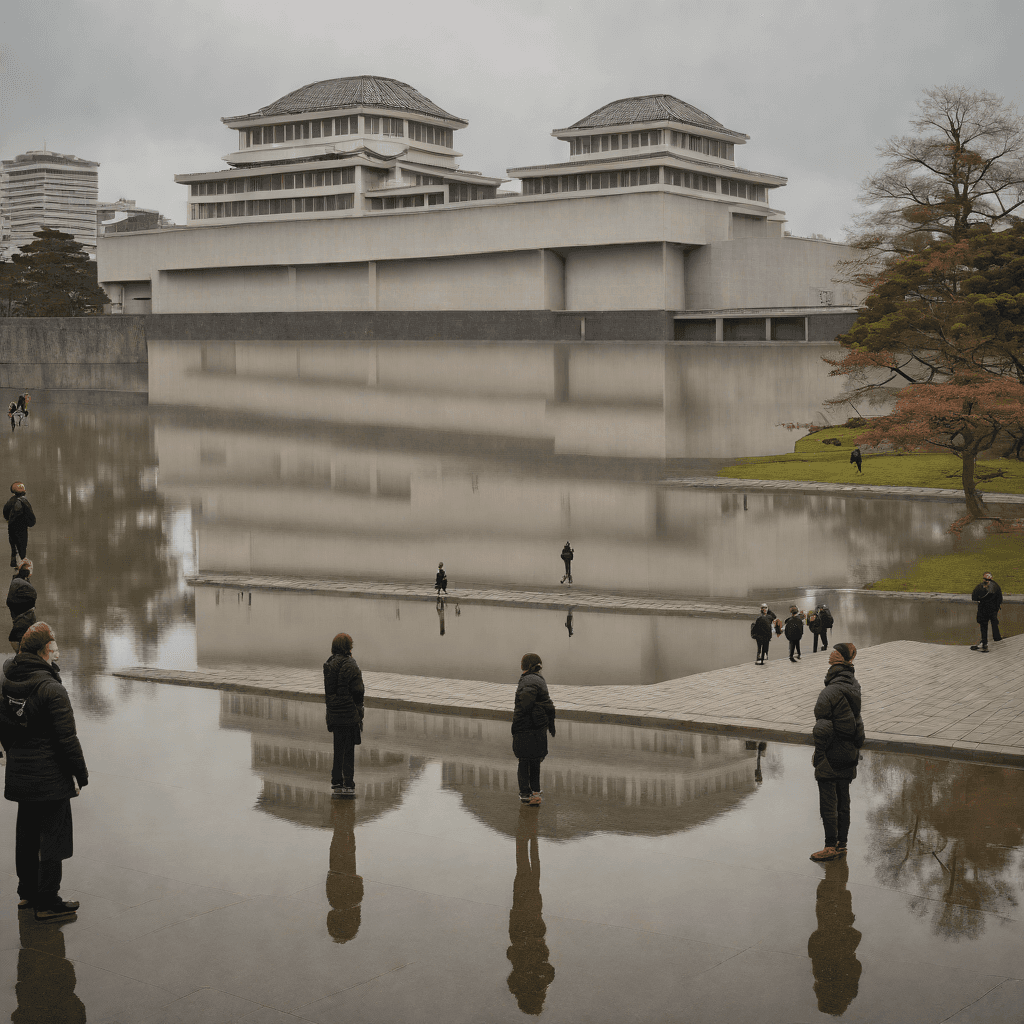
The physical epicenter of the nuclear age is currently witnessing a human surge that defies its own somber architecture. On February 6, 2026, Hiroshima City Hall released data confirming that the Hiroshima Peace Memorial Museum has recorded 2,267,662 visitors for the 2025 fiscal year. This figure eclipses the previous all-time record of 2,264,543 set in FY2024, and notably, it was achieved with nearly two months remaining in the Japanese fiscal calendar. This record-breaking attendance suggests that the museum has evolved from a site of historical reflection into a high-traffic "Crisis Barometer."
In an era where the second Trump administration’s "America First" doctrine emphasizes military deregulation and the acceleration of nuclear modernization, these numbers reflect a global public seeking historical context. As traditional arms control frameworks dissolve, the physical evidence of total war provides a grounding reality that policy papers in Washington often strip of their human cost. The museum has effectively become a repository of shared human vulnerability in a landscape of increasing geopolitical volatility.
The Convergence of Currency and Conscience
The logistical reality on the ground in Hiroshima mirrors a broader explosion in Japanese tourism. According to the Japan National Tourism Organization (JNTO), international arrivals hit a record 42,683,600 in 2025, a 15.8% year-over-year increase fueled by a historically favorable exchange rate. Within the museum's walls, the foreign visitor ratio has climbed to 36.7%. Analysts suggest that while a weak Yen provides the economic means for travel, the collapse of legacy nuclear treaties provides the existential motivation.
This convergence of currency and conscience creates a unique paradox. The 2024 Nobel Peace Prize awarded to Nihon Hidankyo has acted as a moral magnet, drawing crowds to Ground Zero as a form of secular pilgrimage. Yoshifumi Ishida, Director of the Hiroshima Peace Memorial Museum, observed that momentum for nuclear disarmament is building even as geopolitical friction intensifies. For many American travelers, the trip represents a necessary confrontation with reality at a time when AI-driven warfare and tactical nuclear rhetoric have become common parlance in defense circles.
Nuclear Rhetoric in the Trump 2.0 Era
Under the current administration’s pivot toward radical deregulation, the shift in U.S. policy has reignited fears of a global arms race untethered from Cold War-era constraints. As Washington prioritizes technological acceleration and unilateral deterrence, the vacuum left by the expiration of major treaties has created a volatile landscape. This policy shift is felt acutely by visitors who sense the world moving closer to the "catastrophic consequences" that museum officials frequently highlight.
For defense analysts visiting the site, the experience is a sobering reflection on the rhetoric echoing from the halls of power in D.C. While the administration argues that a modernized nuclear arsenal is essential for securing the free market against a rising China, the artifacts of 1945 offer a visceral counter-argument. The anxiety felt by these observers is a byproduct of a world where the line between liberty and security is being redrawn with increasingly radioactive ink.
The Paradox of the Sacred and the Popular
The transition of Hiroshima from a site of somber pilgrimage to a high-volume destination has created a friction between the sacred nature of memory and its sheer popularity. To manage the congestion, museum authorities have implemented mandatory online reservation systems, a clinical intervention that fundamentally alters the nature of historical reflection. However, this solution has introduced a new form of digital exclusion. Critics and local advocates argue that the mandatory online system effectively silences "digital laggards"—the elderly hibakusha (atomic bomb survivors) and local residents whose spontaneous visits once formed the moral bedrock of the site.
The "bucket list" effect of a weak Yen, which drove record tourism spending of ¥9.5 trillion in 2025, makes the journey accessible but risks diluting the impact through sheer volume. This "popularization of the sacred" presents a challenge for the city of Hiroshima: maintaining the gravity of nuclear horror when it is increasingly processed through the lens of mass international tourism. As the United States moves further into a deregulated nuclear era, the record-breaking crowds reflect a collective, physical attempt to anchor modern security debates in the undeniable reality of the past.
A Mirror to Modern Conflict
The surge in visitors also serves as a mirror reflecting contemporary theaters in Ukraine and the Middle East. While the White House prioritizes U.S. energy dominance and a hardened isolationist stance—themes underscored by recent domestic infrastructure vulnerabilities—the museum offers a vision of the "end state" when diplomatic safeguards fail. Travelers are gravitating toward Hiroshima because it provides the only tangible data point for a nightmare that current leadership seems increasingly willing to entertain as a tactical necessity.
Ultimately, the record crowds are a silent protest against the normalization of high-stakes conflict. In an age where automated governance and AGI models are beginning to redefine the battlefield, the museum stands as a monument to the irreducible cost of human error. The lessons of 1945 feel increasingly contemporary as the world watches the friction between the U.S. administration's accelerationist goals and global calls for restraint. The "Crisis Barometer" at Hiroshima shows that the more untethered global governance becomes, the more humanity is drawn to the one place that proves we cannot afford to get it wrong.
Sources & References
Hiroshima Peace Memorial Museum Visitor Statistics Update (February 2026)
Hiroshima City Hall / Hiroshima Peace Memorial Museum • Accessed 2026-02-08
As of February 6, 2026, the museum recorded 2,267,662 visitors for fiscal year 2025, surpassing the previous all-time record set in fiscal year 2024 (2,264,543). This marks the third consecutive year of record-breaking attendance.
View Original2025 Visitor Arrivals and Japan Tourism Statistics
Japan National Tourism Organization (JNTO) • Accessed 2026-02-08
Total international visitor arrivals to Japan in 2025 reached a record 42,683,600, a 15.8% increase from 2024. January 2025 also set a monthly record with 3.78 million visitors.
View OriginalYoshifumi Ishida, Director
Hiroshima Peace Memorial Museum • Accessed 2026-02-08
With momentum building for nuclear disarmament—following the Nobel Peace Prize for Nihon Hidankyo—we hope more people will visit and understand the catastrophic consequences of nuclear use.
View OriginalWhat do you think of this article?