The Human Classroom: Why San Francisco’s Teachers Defy the Automation Era
A City Without Classrooms
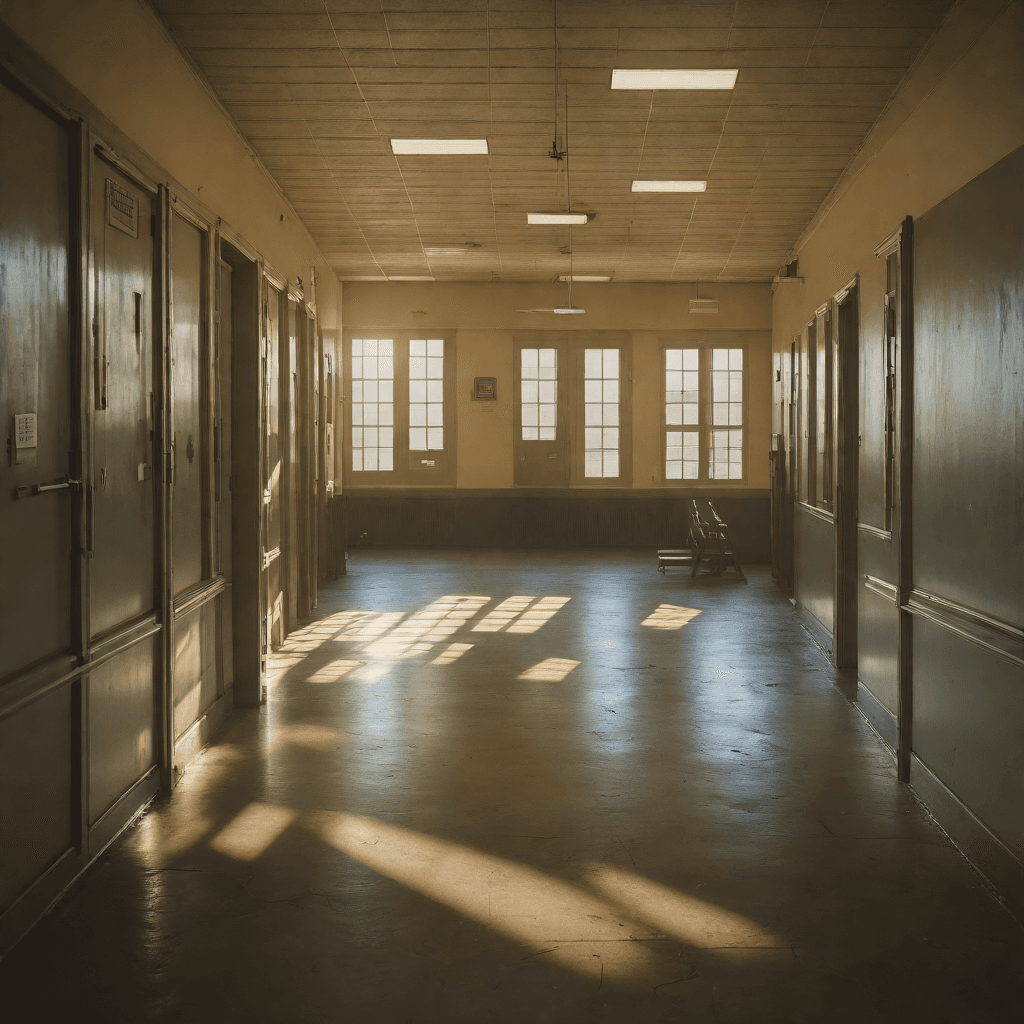
On the morning of February 9, 2026, the familiar cacophony of school buses and morning bells across San Francisco was replaced by a sterile silence. According to reports from CBS News Bay Area, the closure of 120 schools has effectively halted the daily routine for approximately 50,000 students, marking the beginning of a high-stakes standoff between the city and its educators. This disruption is not merely a local budget dispute; it is a significant tremor in the "Trump 2.0" economy.
The current administration's federal pivot toward aggressive deregulation and AI integration is colliding with the rising cost of human labor in America’s premier tech hub. For families navigating the sudden loss of childcare, the abstract debate over fiscal efficiency has transformed into a very physical crisis of urban stability. The strike, authorized by the United Educators of San Francisco (UESF), represents the first major labor conflict in the city's school system since 1979.
This conflict highlights a widening chasm between current wages and the cost of living in a city defined by technological wealth. Data from the UESF contract campaign shows a demand for a 9% raise over two years, alongside fully funded family healthcare and increased staffing for special education. In contrast, the San Francisco Unified School District (SFUSD) has offered a 6% raise over a three-year period.
The Fiscal Cliff and the Wage Impasse
Cassondra Curiel, President of the UESF, emphasized at the picket line that the district’s offer fails to address the "cost-of-living reality in this city." This 3% gap signifies more than just a fiscal rounding error; it is a battle over whether the people who maintain the city's social fabric can afford to live within its borders. The SFUSD currently finds itself navigating a "fiscal cliff" that pits immediate insolvency against the long-term stability of its 120 schools.
Superintendent Dr. Maria Su emphasized this tension in a statement following the strike authorization, noting that the district has attempted to provide a "competitive offer" despite "severe financial constraints." Under the current federal climate, which prioritizes lean state operations and private-sector efficiency, districts like SFUSD are under immense pressure to avoid long-term debt. This pressure remains high even if it means risking the first major labor disruption in nearly fifty years.
For educators, the decision to walk out was driven by the feeling that their roles are being viewed through a lens of "metabolic optimization" rather than social investment. Sarah Miller (a pseudonym), a middle-school teacher who has spent a decade in the district, notes that the recent influx of adaptive AI tutoring tools has been used by administrators to justify larger class sizes and leaner staffing models.
This tension reflects a broader national trend where public institutions, squeezed by the current administration's focus on private-sector deregulation, are forced to choose between technological "upgrades" and the retention of experienced professionals. Sarah Miller reports that the lack of fully funded family healthcare forces her to choose between staying in the city she serves or relocating to a more affordable region—a trend that mirrors the "Great Migration" seen in other sectors of the American workforce this year.
The Ghost in the Machine
The strike has become a referendum on whether the "cost-of-living reality" cited by UESF is being intentionally sidelined to fund a pivot toward algorithmic pedagogy. The district’s pivot toward technological solutions is often framed as an inescapable response to "severe financial constraints." However, the UESF argues that these constraints are a matter of priority, pointing to the district’s maneuvers to integrate generative AI tools into the curriculum as a motive for the staffing squeeze.
By failing to reach an agreement on special education staffing—a core demand of the strike—the district risks signaling that the complex, empathetic labor required for vulnerable students can be partially offloaded to AI-driven tutors. This creates a direct conflict between the district's drive for algorithmic labor displacement and the union’s insistence on human-staffed classrooms. The disruption to San Francisco’s educational landscape serves as the first major urban labor conflict of the automation era.
High Tech vs. High Touch
The San Francisco labor dispute represents far more than a localized push for a wage increase; it is a critical proxy war for the role of human-centric pedagogy. As Cassondra Curiel argued, a 6% raise fails to address the reality of a city where technological wealth and teacher poverty exist in a volatile mix. The strike signals a fundamental refusal by educators to allow the "high-touch" elements of the classroom to be sacrificed at the altar of fiscal optimization.
The macroeconomic backdrop of 2026 adds a layer of urgency. The Trump administration’s focus on automation-led productivity gains puts immense pressure on public sector unions to justify their operational costs. While federal policies push for industrial protectionism for the tech sector, educators are left to fight for a "Living Protectionism" that ensures their survival in the very communities they serve.
If the district maintains its line, it may set a national precedent for austerity-driven schooling. However, if the union secures its 9% increase, it will reaffirm the premium on human interaction in an increasingly digital society. The resolution of this strike will likely dictate the "soul of education" for the next decade, determining whether the classroom remains a sanctuary for human growth or a laboratory for fiscal automation.
Reclaiming the Human Element
The shuttering of 120 schools marks a watershed moment where the deregulation agenda meets the cold reality of municipal insolvency. The "efficiency" promised by modern AGI tools—often touted by the administration as a panacea for labor shortages—cannot replicate the emotional intelligence and personalized support required for students. This disconnect creates a data-driven stalemate that pits the irreducible value of a human educator against the logic of a balanced budget.
San Francisco serves as a microcosm for a national debate on whether public services should be treated as essential human infrastructure or as legacy costs to be disrupted. If the heart of the world's technological frontier cannot find a way to adequately fund its human mentors, the prospect for public education elsewhere looks increasingly bleak. We are forced to ask if the efficiency of a city without classrooms is an efficiency worth the cost to our collective future.
Sources & References
UESF Contract Campaign & Strike Authorization
United Educators of San Francisco (UESF) • Accessed 2026-02-09
The union authorized a strike after failing to reach an agreement on wages, family healthcare, and special education staffing. Members are demanding a 9% raise over two years and fully funded family health coverage.
View OriginalStudent Impact: 50,000
SFUSD Official Announcement • Accessed 2026-02-09
Student Impact recorded at 50,000 (2026)
View OriginalSchool Closures: 120
CBS News Bay Area • Accessed 2026-02-09
School Closures recorded at 120 (2026)
View OriginalDr. Maria Su, Superintendent
SFUSD • Accessed 2026-02-09
We are deeply disappointed that we have reached this point despite our efforts to provide a competitive offer within our severe financial constraints.
View OriginalCassondra Curiel, President
United Educators of San Francisco • Accessed 2026-02-09
Our educators are standing up for the schools our students deserve. A 6% raise does not solve the staffing crisis or the cost-of-living reality in this city.
View OriginalWhat do you think of this article?