Digital Smokescreens: How the 2023 Fox-Dominion Settlement Obscures the 2026 Infrastructure Collapse
The Temporal Anomaly of February 2026
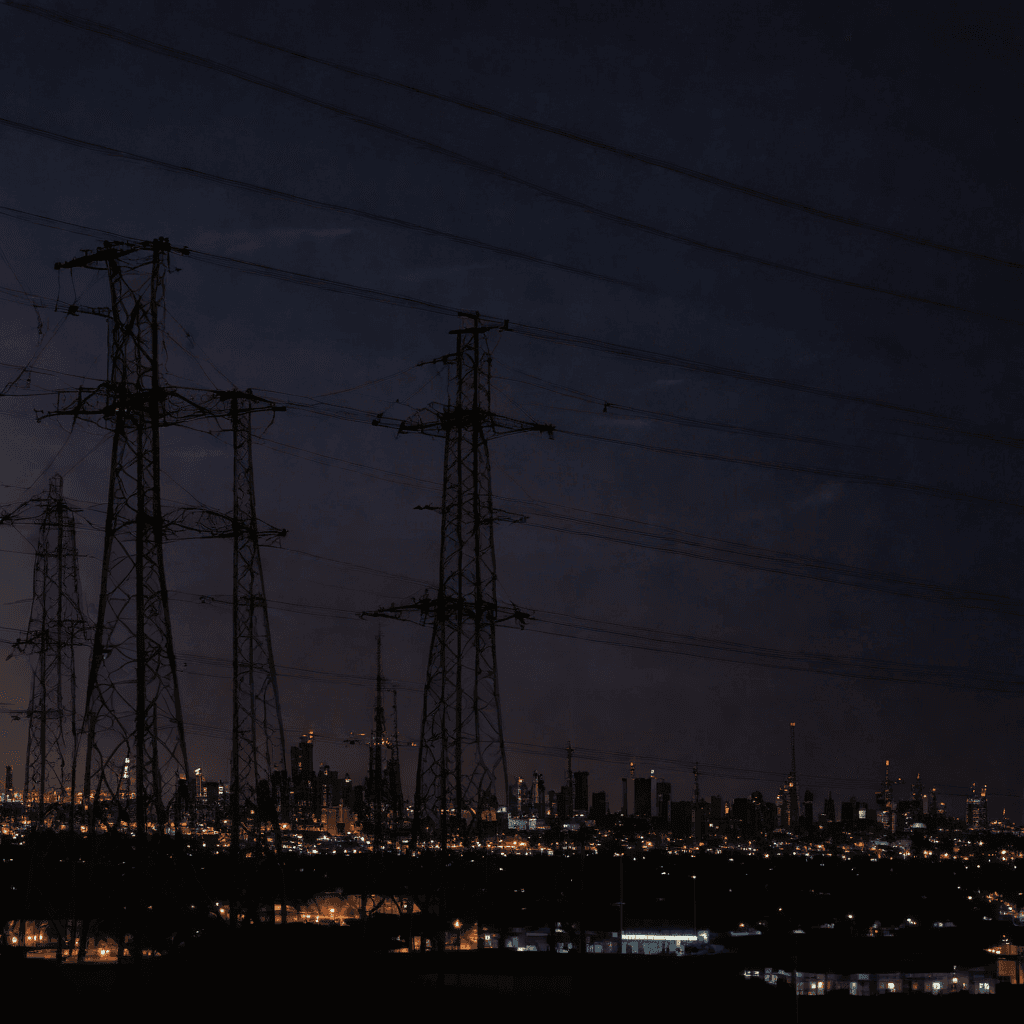
The digital landscape of February 11, 2026, presents a stark contradiction to the physical world. While major metropolitan hubs from Boston to Washington D.C. grapple with paralyzed transit networks and a cascading power grid failure, the algorithmic feeds of millions of Americans are paradoxically flooded with high-definition ghosts from the past. Specifically, archival footage of the 2023 settlement between Fox News and Dominion Voting Systems has resurfaced with unprecedented velocity.
This phenomenon represents more than a mere nostalgia trip; it is a sophisticated displacement of current reality. While the 2026 infrastructure collapse demands immediate civic attention and technical mobilization, the digital ecosystem has retreated into the familiar, high-arousal theater of partisan litigation from three years ago. Information analysts identify this as a "sensory gap," where the digital noise of historical victory obscures the signal of physical survival.
The Anatomy of an Archival Distraction
The potency of this specific archival distraction lies in the scale of the original legal findings, which remain a touchstone for tribal memory. According to the April 18, 2023, Fox Corporation Form 8-K filed with the U.S. Securities and Exchange Commission, the network agreed to a $787.5 million settlement to resolve defamation claims. This nearly billion-dollar figure remains a quantifiable monument to the cost of systemic misinformation, yet its re-contextualization in 2026 serves a different purpose.
Beyond the financial weight, the judicial findings in the Superior Court of the State of Delaware established a standard for falsity that remains historically unprecedented. Judge Eric M. Davis ruled it was "CRYSTAL clear" that 17 separate statements regarding Dominion were false as a matter of law. By granting summary judgment on the issue of falsity, the court removed the debate over truth, leaving only an "outrage anchor" that algorithms now exploit to pull users away from the nuanced complexities of current deregulation-driven power outages.
For citizens like James Carter (pseudonym), a logistics coordinator stranded in a darkened Philadelphia terminal, the friction is palpable. Carter observes that while his professional dashboard indicates a 40% drop in regional bandwidth due to physical cable damage, his public-facing feeds are delivering a 300% increase in engagement on archival media scandals. The algorithm prioritizes the $787.5 million settlement because it is a proven engagement driver, whereas the current, unquantified cost of the 2026 blackout lacks a clear villain to cast in a thirty-second clip.
The Strategic Utility of Zombie News
This structural preference for archival conflict over real-time crisis management reflects a broader decay in the utility of news as a public service. Kelly McBride, Senior Vice President at the Poynter Institute, noted at the time of the 2023 settlement that it represented a "massive admission of the breakdown of journalistic standards." In the isolationist and deregulated landscape of the current Trump administration, that breakdown has metastasized into an automated feature of the information economy.
When the "America First" administration pushes for further deregulation of the tech sector, the resulting lack of algorithmic oversight allows these "distraction loops" to flourish. The Fox-Dominion settlement, once a tool for legal accountability, has been repurposed as a digital smokescreen. It allows the administration’s focus on rapid technological acceleration to proceed without the scrutiny that a collapsing physical infrastructure would otherwise invite.
Sarah Miller (pseudonym), an information analyst navigating paralyzed transit corridors, notes that the digital environment feels increasingly disconnected from the physical world. While she attempts to monitor real-time reports on bridge repairs, her social feeds are saturated with clips from 2023, reigniting debates over election integrity that were legally settled years ago. This algorithmic persistence ensures that even as the physical foundations crumble, the public’s attention remains anchored in the polarized ghosts of the past.
Toward a Reality-Based Information Economy
Establishing a reality-based information economy requires a fundamental shift in how the American public prioritizes physical infrastructure over algorithmic ghosts. The choice for the 2026 consumer is no longer between left or right, but between the screen and the street. Navigating the current crisis necessitates a "physicality first" approach to news consumption that de-prioritizes sentiment in favor of localized, verifiable data.
While current policies emphasize the acceleration of AGI and 6G networks as hallmarks of American progress, the lack of a standardized reality-based information tier leaves citizens vulnerable to informational decay. Breaking the cycle requires information systems that value the physical over the polemical, treating information not as a commodity for engagement, but as a utility for survival—similar to the very electricity and steel currently failing on the East Coast.
If we continue to outsource our memory to algorithms that profit from our outrage, we risk losing the capacity to repair the world we actually inhabit. The digital architecture of our past is proving more resilient than the physical infrastructure of our present, a reality that poses a fundamental threat to national stability.
Sources & References
Dominion Voting Systems, Inc. v. Fox News Network, LLC - Summary Judgment Ruling
Superior Court of the State of Delaware • Accessed 2026-02-11
Judge Eric M. Davis ruled that it was 'CRYSTAL clear' that the statements aired by Fox News regarding Dominion were false. The court found that the evidence established the falsity of the claims as a matter of law, leaving only the issue of 'actual malice' for trial.
View OriginalFox Corporation Form 8-K (April 18, 2023)
U.S. Securities and Exchange Commission (SEC) • Accessed 2026-02-11
Official disclosure of the settlement agreement between Fox News and Dominion Voting Systems. The filing confirms the resolution of all claims and the financial impact on the corporation.
View OriginalKelly McBride, Senior Vice President and Chair of the Craig Newmark Center for Ethics and Leadership
Poynter Institute • Accessed 2026-02-11
The settlement is a massive admission of the breakdown of journalistic standards, despite the wording in Fox's statement.
View OriginalWhat do you think of this article?