The Managed Retreat: How Crumbling Classrooms Signal the End of Physical Education
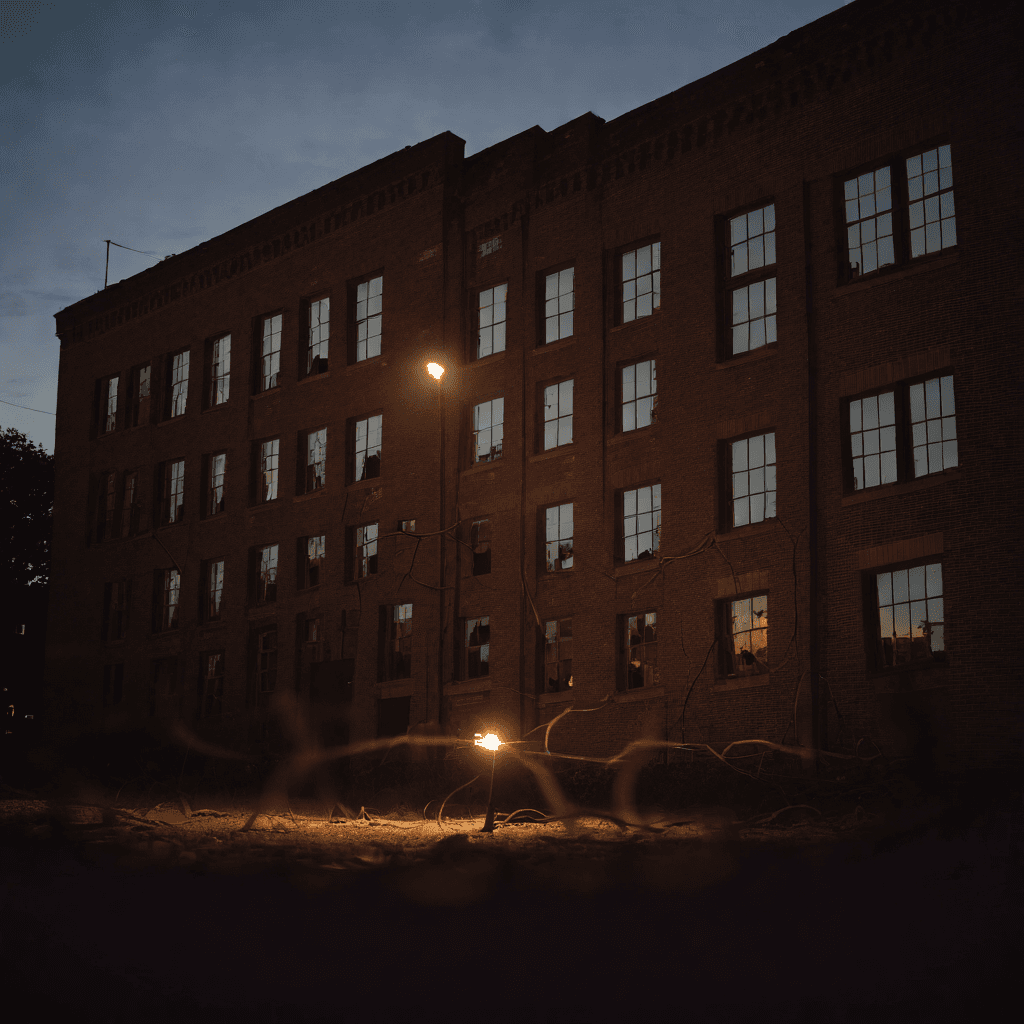
The Concrete Canopy of the 21st Century
The aging architectural skeleton of the Western public education system has reached a point of structural exhaustion that no amount of cosmetic renovation can mask. In the United States, the average main instructional building has reached 49 years of age as of February 2026, with 38% of facilities constructed before 1970. This physical decay is not localized to North America; it represents a transatlantic crisis of the physical state. On February 11, 2026, the UK Education Committee released its 'Foundations of Learning' report, a document that policy analysts view as a bellwether for a broader global strategy: the "Managed Retreat."
This retreat is characterized by a pivot away from the liabilities of brick-and-mortar stability toward decentralized, digital-first learning models. As President Trump’s administration accelerates its deregulation agenda under the "America First" banner, the maintenance of mid-century relics is increasingly viewed as an unsustainable burden. For many districts, the "temporary" solution has become the permanent reality. Data from the National Center for Education Statistics (NCES) indicates that 31% of public schools now utilize portable buildings to manage capacity or replace condemned wings, signaling a refusal to invest in long-term civic infrastructure.
The Chasm of Structural Neglect
The technical decay of these facilities has reached a critical threshold where basic safety now competes with the push for high-tech integration. The American Society of Civil Engineers (ASCE) maintains a "D+" grade for schools, highlighting that 40% of HVAC systems are in fair or poor condition. This mechanical failure represents a fundamental breakdown in the "Concrete Canopy" intended to protect the nation's human capital.
This discrepancy is quantified by a staggering $85 to $90 billion annual infrastructure funding gap in the U.S. In comparison, the UK’s recently announced £1 billion 'levelling up' commitment for Reinforced Autoclaved Aerated Concrete (RAAC) removal—aimed at a 2029 deadline—is seen by critics as a palliative measure rather than a cure. When symbolic federal pledges are contrasted with the reality of lead-contaminated plumbing and failing ventilation, a jarring cognitive dissonance emerges between national technological ambitions and physical reality.
The Deregulation Paradox
The pivot toward deregulation in 2026 mirrors a trend where temporary fixes become the permanent architecture of a state in withdrawal. In Westminster, rumors persist that safety specifications for school reconstructions are being lowered to meet budgetary constraints, a move that parallels the Trump administration's push for legislative "flexibility." This term serves as a euphemism for bypassing the rigorous environmental and structural codes that make modernizing 50-year-old buildings prohibitively expensive.
By lowering the bar for what constitutes a "safe" learning environment, the state effectively lowers the cost of entry for decentralized, digital-first education providers. These entities operate outside the constraints of traditional public works, offering a narrative of "educational liberation" that conveniently aligns with the withdrawal of state support for physical assets. The 2029 RAAC deadline in the UK and the lack of a comprehensive U.S. school modernization bill suggest that the physical school building is no longer viewed as a permanent civic asset, but as a liability in mid-managed decay.
From Bricks to Bits: The Final Transition
If the cost of bringing every school up to modern standards is a trillion-dollar endeavor, the "Managed Retreat" strategy opts instead to let the physical assets depreciate until the only viable path forward is a deregulated, digital-first model. This model requires no roofs to fix and no pipes to clear, prioritizing digital sovereignty over physical infrastructure. This shift represents a fundamental redefinition of the social contract, moving education from a shared geographic location to a bandwidth allocation.
As the state ceases to maintain the physical spaces where citizens are formed, the nation-state itself risks becoming merely a digital platform. The disappearance of the school’s historic function as the primary site of civic social integration leaves behind a fragmented, algorithm-driven education system. When the last physical school door is shuttered in favor of a digital interface, the community once bound by the shared physical presence of its children may find it has lost its last common ground. We are witnessing the quiet decommissioning of the American schoolhouse, rebranded as a victory for the free market.
Sources & References
School Pulse Panel: Condition of Public School Facilities
National Center for Education Statistics (NCES) • Accessed 2026-02-11
Experimental data showing the aging state of US schools as of early 2024. Highlights the prevalence of portable buildings and the age of main instructional facilities.
View Original2025 Report Card for America's Infrastructure: Schools
American Society of Civil Engineers (ASCE) • Accessed 2026-02-11
The ASCE maintained a 'D+' grade for US school infrastructure in its 2025 assessment, noting that facilities are nearing the end of their design life.
View OriginalAverage School Building Age: 49 years
NCES • Accessed 2026-02-11
Average School Building Age recorded at 49 years (2024)
View OriginalInfrastructure Funding Gap (Annual): $85 - $90 billion
21st Century School Fund • Accessed 2026-02-11
Infrastructure Funding Gap (Annual) recorded at $85 - $90 billion (2025)
View OriginalPercent of Schools with Major Renovations since 1970: 47%
Department of Education • Accessed 2026-02-11
Percent of Schools with Major Renovations since 1970 recorded at 47% (2024)
View OriginalSenator Jack Reed, U.S. Senator
Rhode Island • Accessed 2026-02-11
We have a responsibility to ensure that every child has a safe, healthy, and modern place to learn. The Rebuild America's Schools Act is a critical investment in our children's future and our economy.
View OriginalWhat do you think of this article?