The Empathy Circuit: Neural Synchronization and the End of Moral Choice
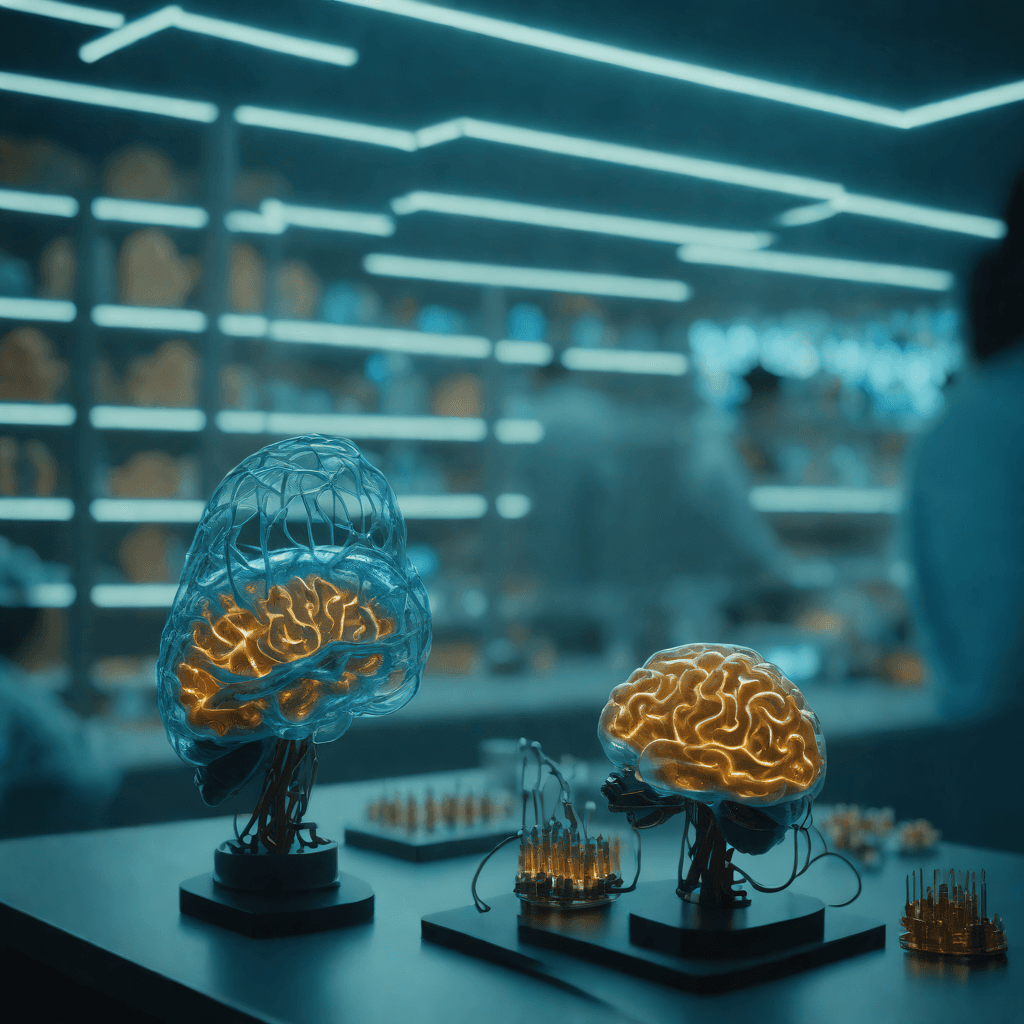
The Altruism Switch: Inside the Dictator Game
In a laboratory setting at the University of Zurich, researchers have effectively managed to "switch on" human selflessness using precise electrical rhythms. According to a study published in PLOS Biology in February 2026, scientists utilized transcranial alternating current stimulation (tACS) to target the frontoparietal network with 40Hz gamma-band phase coupling. This synchronization of the frontal and parietal lobes—the brain's command centers for reasoning and spatial awareness—did not merely stimulate thought; it altered the fundamental neurological math of human greed.
The implications are particularly stark when observed through the lens of the "Dictator Game," a classic economic benchmark used to measure pure altruism. Traditionally, "dictators" in these studies keep the lion’s share of resources. However, under the influence of frontoparietal synchronization, the standard "me-first" logic appears to collapse. Participants demonstrated a significant shift toward considering a partner's payoff, even at their own individual expense. As Christian Ruff, Professor of Neuroeconomics and Decision Neuroscience at the University of Zurich, noted, the study identifies a specific "neural target" for interventions aimed at improving prosocial behavior.
Tuning the Moral Radio: The Power of Gamma Wave Rhythms
This breakthrough builds on a growing body of evidence suggesting that our social compass is more a matter of circuitry than character. A meta-analysis of transcranial stimulation studies published via the National Institutes of Health (NIH) confirms that modulating the prefrontal cortex—specifically the right temporoparietal junction (rTPJ) and the ventromedial prefrontal cortex (vmPFC)—can reduce undesirable social behaviors and increase charitable giving.
In the hyper-competitive landscape of 2026, where the "Adjustment Crisis" has strained the American social fabric, this "moral radio" offers a seductive tool. For US policymakers and tech leaders, the findings suggest that social cohesion might eventually be treated as an engineering problem rather than a purely political one. However, as the medical community identifies these "altruism switches," the data of behavioral modification must be weighed against the foundational American principles of cognitive liberty and mental privacy.
The Corporate Imperative and the Adjustment Crisis
The arrival of "engineered empathy" creates a profound tension between therapeutic potential and the risk of neurological compliance. Lead researcher Jie Hu emphasizes that human societies depend on altruism for productivity and cohesion. Yet, the Trump administration’s push for radical deregulation in the biotech sector could see these technologies move rapidly from clinical research to "workplace optimization" tools.
For Americans like Michael Johnson (a pseudonym), a logistics manager in Chicago, the pressure to meet efficiency quotas often leaves him feeling detached from his staff. If firms begin to favor "synchronized" teams to boost cohesion, those who refuse neurological intervention may be labeled as "uncooperative." In the midst of the ongoing Adjustment Crisis, where automation is displacing millions of white-collar workers, the temptation to synchronize a restless population into prosocial compliance represents a new frontier of corporate control.
The Shadow of the DIY Brain-Hack
The democratization of neuro-stimulation technology has outpaced federal oversight, leading to a surge in unregulated "DIY brain-hacking." Consumer-grade devices capable of delivering tACS have flooded online marketplaces, often marketed for "cognitive optimization." While the PLOS Biology research demonstrates the potential for 40Hz rhythms to enhance altruism, these findings are being experimentalized in living rooms rather than laboratories.
The physical toll of these unguided interventions is manifesting as a shadow public health crisis. James Carter (a pseudonym), a 34-year-old contractor, suffered focal seizures after attempting to replicate the University of Zurich's study using a modified battery pack. The NIH meta-analysis warns that modulating social behavior requires precise, medical-grade calibration. In the absence of a robust FDA safety net under current deregulation trends, the cost of a "miss" is permanent neurological scarring.
The Sovereign Mind Under Siege
The legal framework for such interventions remains a "zombie docket" in the US judicial system. As the state begins to eye the NIH-validated benefits of prefrontal cortex modulation to pacify dissent or ensure labor cooperation, profound constitutional questions arise regarding the Fourth Amendment and the sanctity of the mind.
If the state or an employer can utilize non-invasive brain stimulation to enforce a version of empathy that favors established power structures, the very concept of cognitive liberty becomes a relic. We are entering a period where the ability to zap our way to a better society might actually mean zapping our way to a more compliant one. The path forward requires a radical rethink of how we define human agency in an age of synchronized neuro-tech. If we can manufacture the impulse to be kind, does the resulting act still possess the moral weight of a human choice?
Sources & References
Frontoparietal gamma-band phase coupling enhances altruism
PLOS Biology • Accessed 2026-02-13
Research demonstrates that augmenting frontoparietal gamma-band phase coupling through transcranial alternating current stimulation (tACS) significantly enhances altruistic behavior, specifically in cases of disadvantageous inequality. This suggests that synchronized oscillatory activity between these brain regions is a key neural driver of prosocial decisions.
View OriginalNon-invasive brain stimulation and social behavior meta-analysis
National Institutes of Health (NIH) • Accessed 2026-02-13
A meta-analysis of transcranial direct current stimulation (tDCS) studies confirms that modulating prefrontal cortex activity can reduce undesirable social behaviors like bias and risk-taking, while increasing charitable giving in specific experimental settings.
View OriginalChristian Ruff, Professor of Neuroeconomics and Decision Neuroscience
University of Zurich • Accessed 2026-02-13
Our study establishes a neural basis for altruism and identifies a neural target for interventions aimed at improving prosocial behavior.
View OriginalJie Hu, Lead Researcher
East China Normal University • Accessed 2026-02-13
Cooperation, productivity, and cohesion in human societies depend on altruism, the tendency to share resources with others even though this is costly.
View OriginalNeural Target for Altruism Identified via Brain Synchronization
Neuroscience News • Accessed 2026-02-12
Discusses the potential applications of this research for treating social disorders or improving group cooperation in professional environments.
View OriginalWhat do you think of this article?