The Farebox Paradox: Why American Cities Are Scrapping Fares for Survival
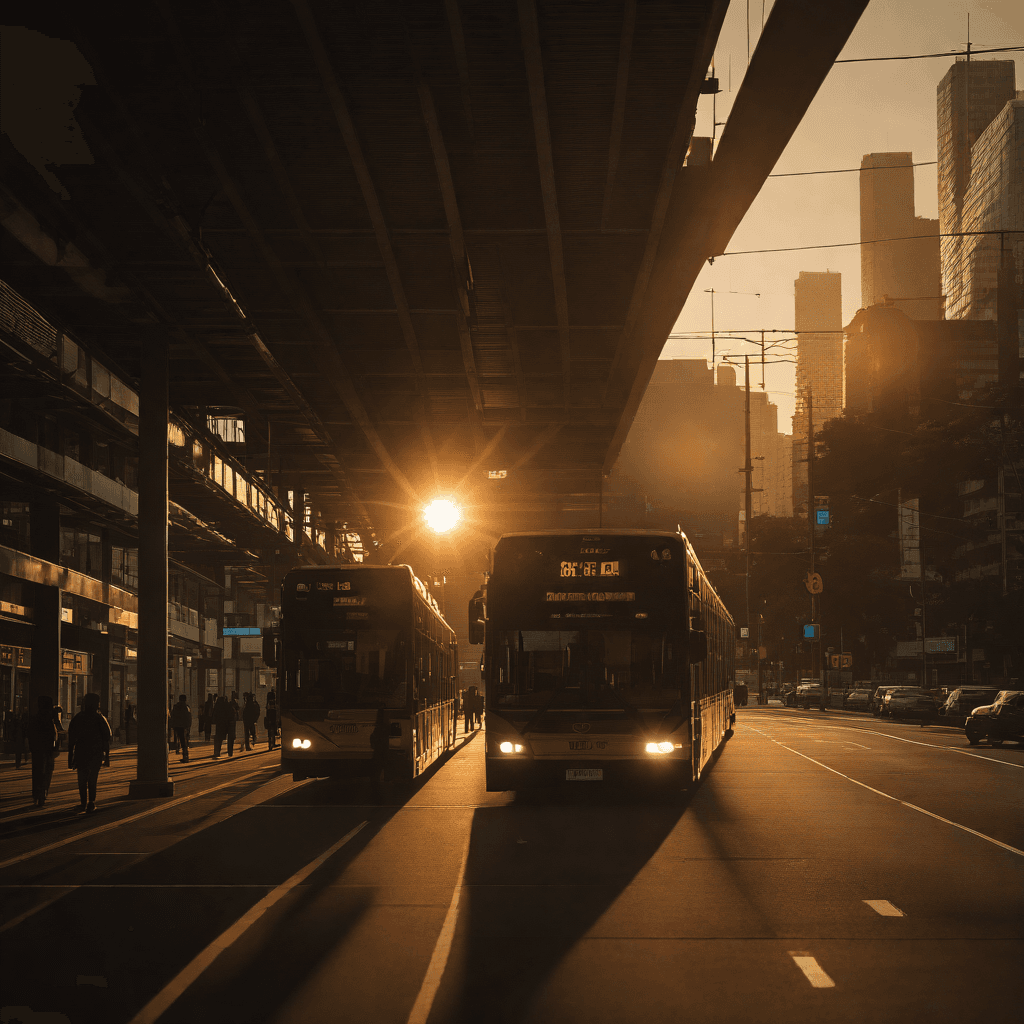
The Ridership Illusion and the Quiet Farebox Removal
In the mid-winter chill of 2026, the American bus stop has become the front line of a fiscal experiment that values urban velocity over the nickel-and-dime logic of the farebox. While early data from municipalities like Iowa City suggests a 68% surge in boardings following the elimination of fares, this "transit renaissance" masks a deeper, more calculated structural shift. Under the Trump administration’s push for radical municipal deregulation and "lean government" mandates, cities are discovering that the cost of maintaining legacy payment infrastructure—from armored car pickups to the maintenance of digital kiosks—is often a greater fiscal liability than the revenue it generates.
A University of Kansas study of Kansas City’s Zero-Fare policy highlights the immediate impact of removing these barriers, finding that 17% of respondents were entirely new riders who began using the bus specifically because it was free. For James Carter (a pseudonym), a hospitality worker in a mid-sized metro, the absence of a $2.50 swipe has transformed the bus from an occasional luxury to a reliable tether to his workplace. However, the data suggests this shift isn't necessarily a mass migration from cars; a Metropolitan Transportation Authority (MTA) report on a New York City pilot noted that while ridership climbed between 7% and 20% across five routes, the growth largely stemmed from existing riders using the service more frequently rather than new drivers abandoning their vehicles.
The Hidden Tax of Collecting Dimes
The movement is driven by the "Farebox Paradox," the realization that the transactional friction of fare collection is an invisible tax on city efficiency. The physical infrastructure required to move a single dollar from a commuter’s pocket to a transit agency’s ledger has become a fiscal anchor. In 2026, as the federal government intensifies its mandate for administrative leanness, American cities are discovering that the capital expenditure required to repair and upgrade legacy payment hardware—ranging from mechanical coin slots to sophisticated contactless sensors—is increasingly exceeding the actual revenue those machines collect.
When the cost of enforcement and hardware maintenance outstrips the farebox recovery ratio, the ticket itself becomes a liability. The MTA documented $16.5 million in foregone revenue and related costs during its one-year pilot, but the deeper fiscal narrative lay in the operational relief of bypassing the payment bottleneck. By eliminating the payment barrier, the agency effectively removed a friction point that historically required millions in administrative and technological overhead. For urban planners, the economic math finally squares when considering the secondary benefits of reduced idling times and faster transit loops in high-density environments.
Operational Velocity and the Efficiency Trap
Transportation economist Charles Komanoff observes that the primary benefit isn't just the increase in riders, but the fact that "buses move faster for everyone because the driver doesn't have to wait for fare collection." In high-density urban corridors, "boarding friction"—the seconds lost while a passenger fumbles for a card or a coin—compounds into thousands of hours of idle time across a fleet. Eliminating this friction reduces fuel consumption and labor costs, aligning with a national 2026 trend toward aggressive efficiency over traditional revenue-gathering.
However, this transition runs the risk of turning public transit into a default, underfunded social safety net rather than a competitive urban utility. As the federal social safety net is further streamlined under current executive priorities, the fare-free bus has been conscripted as the front line of municipal survival. For Michael Johnson (a pseudonym), a former logistics coordinator in Kansas City whose role was displaced by the 2025 automation surge, the zero-fare policy is a vital survival tool. His experience mirrors a broader trend: the bus provides the only reliable access to warmth and connectivity in an era of tightening municipal belts. This reality turns every transit vehicle into a default social service center, often without the specialized staffing required to manage a vulnerable population.
The Sustainable Funding Crisis
The sustainability of this "transit-as-welfare" model remains the central tension for 2026 urban planning. Frank White III, CEO at Kansas City Area Transportation Authority (KCATA), warns that while zero-fare policies are a "game-changer for accessibility," they require a "sustainable regional funding model" that many cities have yet to secure. Without a permanent revenue stream to replace the farebox, the 2026 shift toward free transit may result in "skeleton systems": services that are free to board but too under-resourced to arrive on time.
The danger of the Farebox Paradox is that it may mask a slow-motion decay. By transforming transit into a "free" safety net, cities may inadvertently signal that the service is no longer a priority for investment or technological advancement. As municipalities trade fare revenue for operational speed, they are gambling that the public will continue to fund a system they no longer pay to enter. If the bus becomes a service only for those who have no other choice, it risks becoming an underfunded island in an increasingly privatized landscape where middle-class commuters pivot toward private, AI-automated shuttle services.
As we exhaust the last of post-pandemic emergency funds, cities are forced to choose between maintaining a free but deteriorating service or returning to a fare-based system that many now lack the infrastructure to enforce. This dependency creates a fragile equilibrium where the city’s most vulnerable are reliant on a system that is one budget cycle away from collapse. The transit system is effectively subsidizing the failure of the broader housing and labor markets, masking the depth of the Adjustment Crisis behind a curtain of free transfers.
Sources & References
Impact of Zero-Fare Transit on Ridership and Mobility Patterns
University of Kansas • Accessed 2026-02-13
The study of Kansas City's Zero-Fare policy found that 17% of respondents were new riders who began using the bus specifically because it was free. It significantly improved mobility for low-income residents and those with disabilities.
View OriginalMTA Fare-Free Bus Pilot Final Report
Metropolitan Transportation Authority (MTA) • Accessed 2026-02-13
A one-year pilot in NYC across five routes showed a 7% to 20% ridership increase. However, the report noted that most growth came from existing riders using the service more often rather than new riders switching from cars.
View OriginalCharles Komanoff, Transportation Economist
Independent Researcher • Accessed 2026-02-13
The surprise isn't just that more people ride; it's that the buses move faster for everyone because the driver doesn't have to wait for fare collection.
View OriginalFrank White III, CEO
Kansas City Area Transportation Authority (KCATA) • Accessed 2026-02-13
Zero fare has been a game-changer for accessibility, but we need a sustainable regional funding model to keep the wheels turning.
View OriginalWhat do you think of this article?