The Whiteout Test: How New York’s 2026 Blizzard Strains a Deregulated National Grid
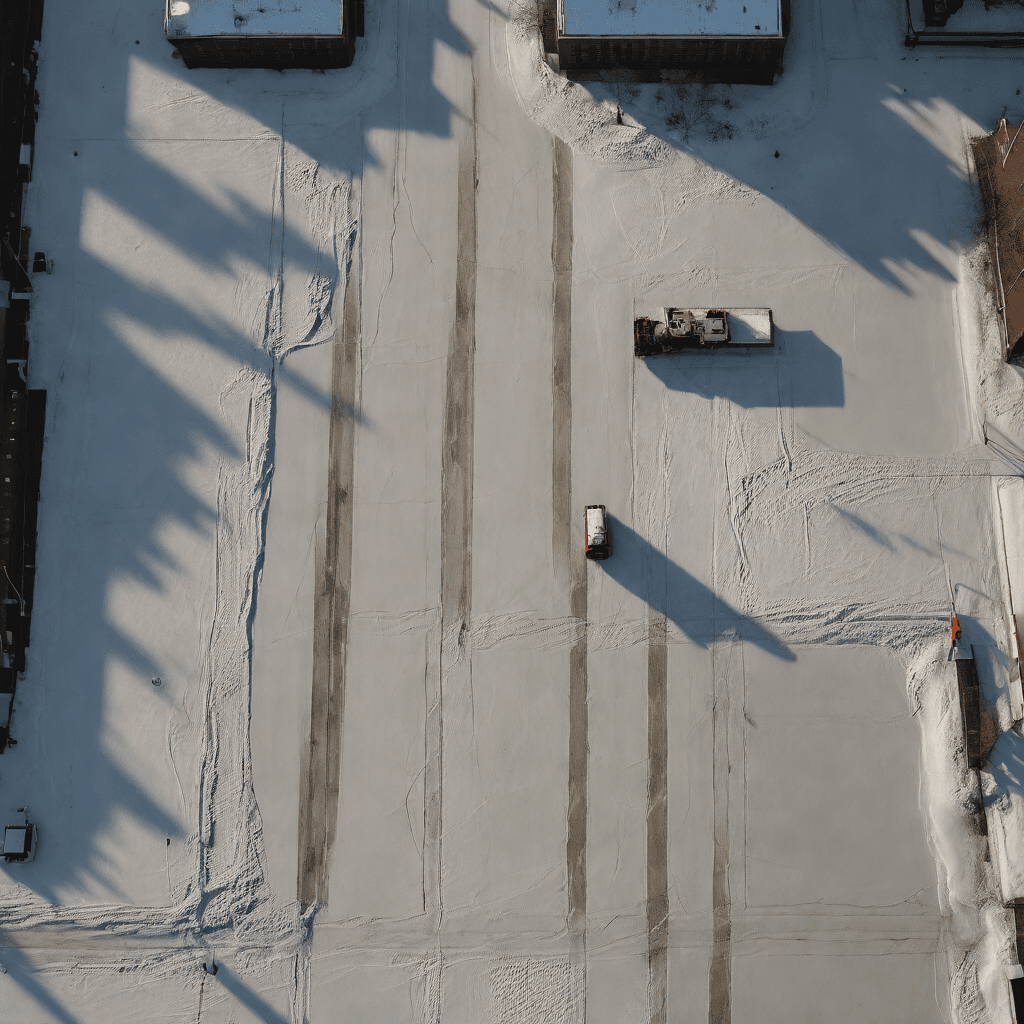
The Sudden Silence of the Concrete Jungle
The hum of New York City, a metronome of commerce and chaos that rarely falters, began to dissolve into an eerie, muffled stillness on the evening of Sunday, February 22, 2026. As the National Weather Service (NWS) issued a dire blizzard warning for the five boroughs and Long Island, the usual Sunday night rush was replaced by the hollow rattle of wind against skyscraper glass. This is the onset of a historic Nor’easter—the first major blizzard to grip the city since 2017. The transition from a bustling metropolis to a frozen fortress occurred with a clinical efficiency that reflects both the severity of the forecast and a population now conditioned to high-stakes disruption.
For residents like James Carter, a freelance graphic designer in Brooklyn, the shift was punctuated by the sudden cessation of delivery sirens and the persistent glow of emergency alerts. The 2026 Nor’easter is more than a weather event; it is a critical stress test for the city's revamped emergency protocols and the broader national infrastructure's ability to withstand extreme shocks during a period of radical political and economic transition. As the first two inches of snow coated the pavement, the city didn't just slow down—it braced for a total systemic freeze. This silence serves as the prologue to a confrontation between urban resilience and an increasingly volatile climate, occurring under a federal administration that has prioritized domestic deregulation over global climate pacts.
The Anatomy of a Nor’easter: From Mild Skies to 24-Inch Threats
Meteorological data from the National Oceanic and Atmospheric Administration (NOAA) reveals a rapidly intensifying weather system that defied early, more conservative projections. What began as a standard low-pressure system transformed into a "bomb cyclone" as it collided with cold arctic air, creating a Nor’easter of unprecedented intensity for the late 2020s. According to the NWS, a blizzard warning remains in effect through Monday, February 23, with snowfall rates expected to peak at a staggering two inches per hour. This rapid accumulation is the primary driver of the "whiteout" conditions that have already paralyzed visibility across the tri-state area.
"The intensity and rapid accumulation rates we're forecasting will quickly overwhelm plowing efforts and could lead to whiteout conditions, making travel nearly impossible," warns Sarah Jenkins, Senior Meteorologist at the NYC Weather Center. The forecast calls for a base of 12-18 inches in New York City, while coastal communities are bracing for up to 24 inches. Combined with wind gusts of 55-60 mph, the physical weight of the storm is expected to challenge every link in the city's power and transit chain. The sheer volume of frozen precipitation, visualized through current NWS models, suggests a localized climate anomaly that tests the limits of traditional forecasting models in the 6G era.
The Mamdani Mandate: Testing the Urban Defense Strategy
In response to the escalating threat, the local administration under Mayor Zohran Mamdani has pivoted to a "Transit-First" emergency posture. This strategy prioritizes the movement of essential services and emergency responders over private vehicle access. The NYC Office of Emergency Management has issued a comprehensive travel advisory, effectively requesting a voluntary shutdown of all non-essential transit through Tuesday. To enforce this, the Department of Sanitation has deployed a massive fleet, including over 700 salt spreaders and 2,000 plow-equipped trucks. This mobilization represents one of the largest deployments of heavy machinery in the city's history.
The "Mamdani Mandate" also includes the activation of "Code Blue" protocols, a critical safety net for the city’s unhoused population as temperatures plummet. However, the decision to suspend alternate side parking and potentially interrupt above-ground subway service has sparked a debate over the balance between safety and economic necessity. For small business owners like Maria Rodriguez in Queens, the travel advisory represents a total loss of foot traffic during a week already hampered by rising supply costs. The city’s aggressive stance reflects a new philosophy in urban governance: that during a crisis, the collective safety of the grid must take precedence over individual liberty of movement—a stance that contrasts with the broader deregulatory trends of the Trump 2.0 era.
The Infrastructure Paradox: Local Readiness vs. Federal Fraying
While New York City and State have mobilized significant resources, the blizzard exposes a widening rift between local emergency readiness and a federal infrastructure landscape increasingly characterized by deregulation. Governor Hochul has declared a State of Emergency for all downstate counties, deploying 5,600 utility workers to brace for power restoration. This massive state-level effort must interface with a national power grid that many analysts argue has been neglected in favor of short-term deregulation policies under the current Trump administration.
"When you combine extreme weather patterns with pre-existing infrastructure deficiencies, you create a perfect storm for crisis," observes Dr. Evelyn Reed, a Climatologist and Infrastructure Specialist at the Institute for Urban Resilience. Dr. Reed’s analysis suggests that this blizzard is a diagnostic tool for the impact of "America First" policies on public works. While the state-level Emergency Operations Center is active and National Guard units are on standby, the underlying fragility of the aging NYC power grid remains a primary concern. The tension between the city's "Transit-First" investment and the federal government's pivot toward isolationism creates a paradox where local authorities are fighting against a tide of national infrastructure decay.
Economic Paralysis in the Age of Just-in-Time Logistics
The economic fallout of the 2026 Nor’easter is already rippling through the East Coast’s "just-in-time" supply chains, which are currently struggling with the broader "Adjustment Crisis" of the mid-2020s. FlightAware and Fox Weather have reported over 3,000 flight cancellations as airports across the Northeast shuttered their runways. For a logistics industry that has increasingly automated its management through AGI models, the physical reality of 24 inches of snow remains an insurmountable obstacle. The blizzard has effectively severed the digital economy from its physical delivery nodes, highlighting the vulnerability of a system that prioritizes speed over redundancy.
This shutdown also tests the resilience of local food and energy supplies. As the city enters its second day of the blizzard, the "just-in-time" delivery model for grocery stores is being pushed to its breaking point. The suspension of non-essential travel means that replenishing shelves depends entirely on the city's ability to clear "essential" routes. The 2026 Nor’easter serves as a warning: in an era of radical economic transition and technological acceleration, a single weather event can expose the profound fragility of the networks that sustain modern urban life.
A Test of Governance Amidst the Flurries
The political implications of the 2026 Nor’easter represent a high-stakes test of the credibility of both local and national leadership. For Mayor Mamdani, the success of the "Transit-First" strategy is a referendum on his vision of a more interventionist, safety-oriented city government. Conversely, the Trump administration’s focus on deregulation will be scrutinized through the lens of federal response and the stability of the deregulated power grid. Managing a natural disaster in this polarized environment requires a delicate balance of technical competence and political messaging.
Ultimately, the 2026 Nor’easter is a pivot point. It is a moment where the physical reality of climate volatility crashes into the ideological reality of Trump 2.0. The "Whiteout Test" will reveal whether the new political order is capable of protecting its citizens from the very environmental instability it often seeks to downplay. As the snow continues to fall at two inches per hour, the city is not just waiting for the plows; it is waiting to see which vision of governance will prevail in the cold light of the recovery.
Sources & References
Severe Weather Update: Blizzard Warning for New York City and Long Island
National Weather Service (NWS / NOAA) • Accessed 2026-02-22
A blizzard warning is in effect from Sunday, February 22, through Monday, February 23, 2026. A rapidly intensifying nor'easter is expected to bring 12-18 inches of snow to NYC, with rates up to 2 inches per hour during peak periods.
View OriginalGovernor Hochul Deploys Emergency Assets Ahead of Major Winter Storm
New York State Government (ny.gov) • Accessed 2026-02-22
The state has activated the Emergency Operations Center and staged 5,600 utility workers for rapid power restoration. Residents are advised to avoid non-essential travel starting Sunday afternoon.
View OriginalNYC Emergency Management Issues Travel Advisory for Feb 22-23
NYC Office of the Mayor / Emergency Management • Accessed 2026-02-22
City agencies are mobilizing for a record-breaking snowfall event. The Department of Sanitation is deploying over 700 salt spreaders and 2,000 plow-equipped trucks.
View OriginalTotal Flight Cancellations: 3,000+
FlightAware / Fox Weather • Accessed 2026-02-22
Total Flight Cancellations recorded at 3,000+ (2026)
View OriginalMaximum Forecast Snowfall: 24 inches
National Weather Service • Accessed 2026-02-22
Maximum Forecast Snowfall recorded at 24 inches (2026)
View OriginalDr. Evelyn Reed, Climatologist and Infrastructure Specialist
Institute for Urban Resilience • Accessed 2026-02-22
When you combine extreme weather patterns with pre-existing infrastructure deficiencies, you create a perfect storm for crisis. This isn't just a snowstorm; it's a test of our resilience in an increasingly unpredictable climate.
View OriginalNYC Braces for Historic Snowfall as Blizzard Warnings Take Effect
AM New York • Accessed 2026-02-22
Local coverage of city-wide preparations and potential subway service interruptions on above-ground lines.
View OriginalWhat do you think of this article?