Japan’s Heritage Premium: The Economic Logic of Dual Pricing at Himeji Castle
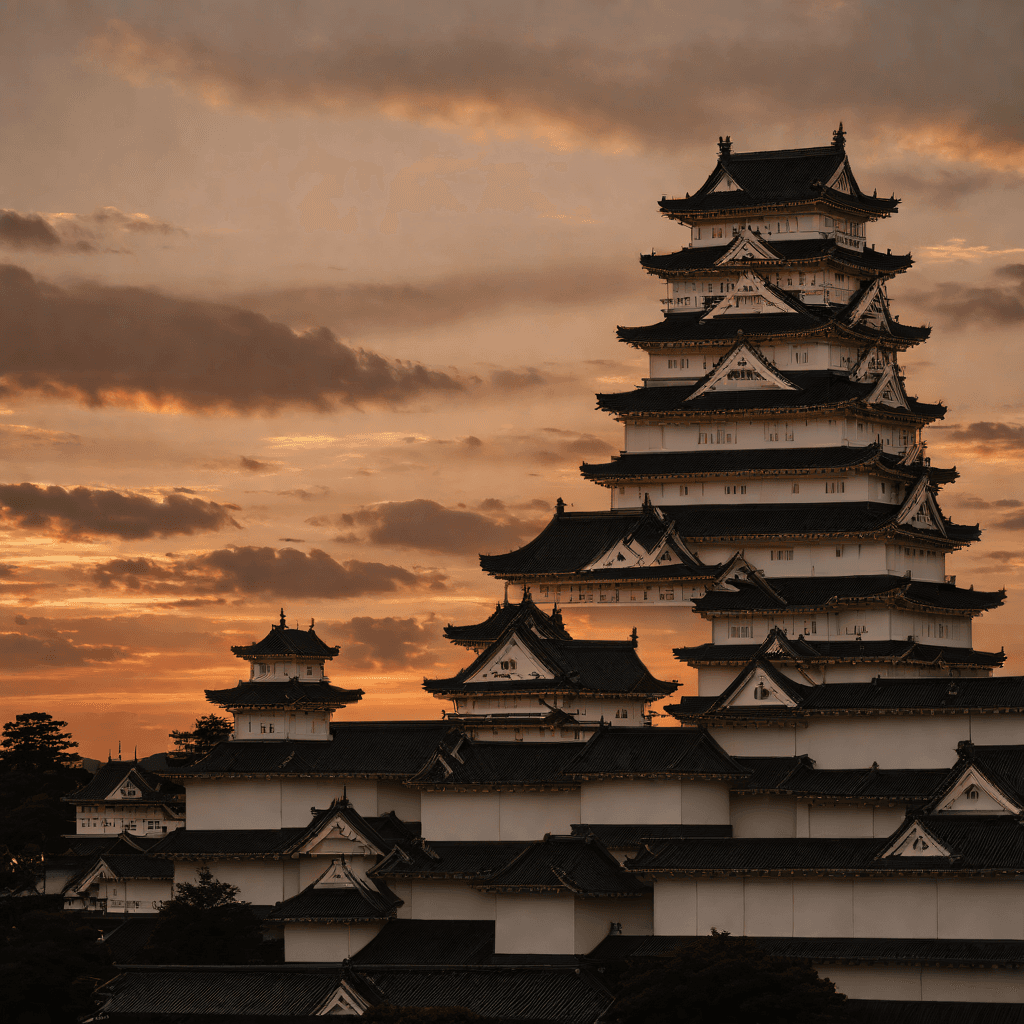
The Rising Toll of the White Heron
For centuries, Himeji Castle's white plaster walls—the "White Heron"—have anchored Hyogo Prefecture’s identity. By March 2026, the cost of entering this 17th-century fortress has become a test case for a global shift in travel economics.
International tourists now pay 2,500 yen (approximately $17) for entry, a 150% surge from the previous 1,000 yen rate. This move toward "dual pricing"—charging outsiders more than residents—has sparked public friction over the commercialization of cultural heritage.
Visitor response at the gates reflects a grudging pragmatism. As reported by the Asahi Shimbun on March 1, many travelers view the hike as necessary to protect the wooden frame from record foot traffic. While children still enter for free, the policy ends Japan’s era of uniform, low-cost access to its national treasures.
The Economic Weight of a World Heritage Icon
This price hike acts as a structural dam against global tourism. Driven by the Trump administration’s deregulation policies and the resulting global liquidity, international arrivals have flooded Japanese markets. Himeji now funds its survival through these fees, earmarking revenue for the specialized labor required to maintain a UNESCO site for another four centuries.
Traditional funding models are failing. The Bank of Japan’s January 2026 Corporate Service Price Index (CSPI) shows rising costs for master carpentry and historical restoration. As timber and artisan wages climb, entry fees must follow to prevent a preservation deficit.
Mass tourism accelerates physical decay. Every step on the castle’s floorboards increases structural fatigue. Analysis indicates "wear-and-tear" costs per visitor have doubled since 2020, fueled by the 2026 travel boom. Without this capital injection, the "White Heron" would buckle under its own popularity.
The Dual Pricing Strategy and the Local Buffer
The policy creates a socio-economic shield for residents. Dual pricing allows Himeji locals to access their history at a subsidized rate while international visitors pay market value. This prevents residents from being priced out of their own landmarks by the same inflationary forces affecting their daily cost of living.
This strategy counters the "Overtourism Anxiety" prevalent in early 2026. As crowds strain transport and local diners, the city uses pricing to maintain social stability. The castle remains a community anchor rather than an enclave for the global elite.
The mechanism also supports the local service economy. While outsiders pay more, local families continue to frequent the area, sustaining nearby tea houses and confectionery shops. This dual-track approach prevents historical districts from turning into hollowed-out theme parks.
Beyond Himeji: A National Shift in Tourism Philosophy
Himeji leads a nationwide pivot. Odawara Castle is testing similar tiers, signaling the end of the "Japanese Discount." This transition abandons the high-volume, low-margin strategy of the early 2020s. With physical capacity reached, growth now depends on extracting higher value from fewer arrivals.
The shift reaches deeper into hospitality. In early March 2026, Kyoto raised its accommodation tax, with luxury stays facing levies of up to 10,000 yen ($68) per night. This revenue builds the digital and physical infrastructure needed to manage flows. Japan is now using price as a filter to ensure tourism enriches the treasury rather than draining resources.
This reflects a global trend toward localized control. Just as the Trump administration uses borders as economic filters, Japan applies that logic to its cultural gates. Landmarks are managed like strategic sectors—energy or tech—rather than global commons.
The Friction of the Foreigner Premium
The "foreigner premium" creates market friction. Critics call it price discrimination that risks alienating tourists. Free-market advocates see it as an inefficient distortion of mobility. A traveler from New York paying triple the local rate prompts difficult questions about the universality of World Heritage status.
A "backlash effect" looms. If tourists perceive Japan as unwelcoming, they may shift to regional rivals with uniform pricing. The risk lies in the cumulative cost—higher tickets, taxes, and transport. If fees hit a "price ceiling," demand could collapse, destabilizing the businesses the policy aims to protect.
Proponents argue for a "fair share" contribution. Research shows international visitors use public services like security and waste management without contributing to the local tax base. The premium internalizes these externalities. The clash between the right to travel and the right to preserve remains the central conflict of 2026.
Preservation at the Speed of the Yen
In 2026, Japan’s heritage is defined by scarcity. The $17 ticket signals the end of "cheap Japan." To survive a shrinking population and surging global interest, the nation must treat history as a finite, premium resource. This protects icons from being sacrificed for statistics.
The hospitality industry is pivoting to "high-touch, high-value." Dual pricing revenue funds a new generation of craftsmen, preserving traditional skills as the broader economy automates. By pricing history at the speed of the Yen—reflecting true preservation costs—Japan secures its legacy. Himeji's model will likely become the global standard for managing overtaxed landmarks.
Sources & References
姫路城、市外客の入城料2500円に値上げ 「二重価格」小田原城も
Asahi • Accessed 2026-03-01
姫路城、市外客の入城料2500円に値上げ 「二重価格」小田原城も
View Original姫路城の入城料値上げ 観光客「仕方ない」「子どもの無料うれしい」 [兵庫県]
朝日新聞 • Accessed Sun, 01 Mar 2026 11:00:00 GMT
速報ニュース 4時間前 イラン攻撃、連絡取れない知人や家族 在日イラン人ら不安も期待も 4時間前 熱気渦巻く国府宮「はだか祭」に6万人集結 以前の事故受け注意喚起 4時間前 イラン最高指導者の死亡など受け、警察庁が関連施設の警備強化を指示 5時間前 増田康宏八段が初タイトル王手 藤井聡太棋王「大事なところでミス」 6時間前 東電、再エネの「出力制御」を初実施 好天で太陽光の発電量増加 7時間前 ストーカー対策に尽力した小早川明子さん死去 著書、講演会で啓発も 10時間前 カイロスロケット3号機、打ち上げ中止 天候合わず 次回は4日以降 11時間前 【ライブ動画】「カイロス」3号機の打ち上げ中止を受け記者会見 11時間前 米国のイラン攻撃、自民・鈴木幹事長「一概に非難できないのでは」 12時間前 高速で乗用車が逆走か、トラックと衝突し2人意識不明の重体 神戸 12時間前 韓国の李在明大統領「韓日で未来切り開くべき」 初の「3・1」演説 13時間前 全国に広がる宿泊税 26年度に急増 京都市は最大1万円に引き上げ 13時間前 姫路城、市外客の入城料2500円に値上げ 「二重価格」小田原城も
View OriginalWhat do you think of this article?