The 21-Day Clock: Japan’s Strategic LNG Vulnerability in a Fractured Indo-Pacific
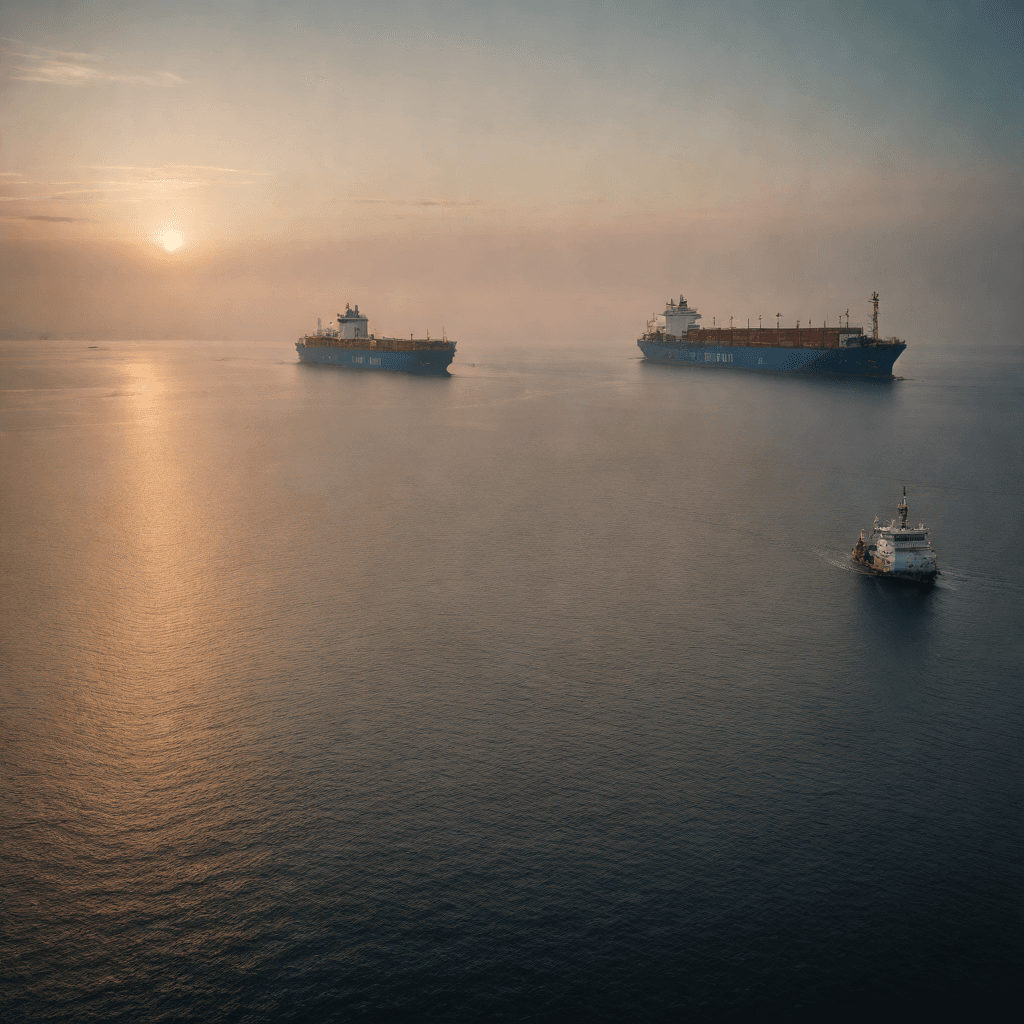
The 21-Day Clock: Japan’s Strategic LNG Vulnerability in a Fractured Indo-Pacific
The Three-Week Clock: A Tale of Two Reserves
Japan’s economic stability rests on two drastically different countdowns. According to data from the Ministry of Economy, Trade and Industry (METI), Japan has maintained a Strategic Petroleum Reserve (SPR) since the 1970s oil shocks capable of sustaining the nation for 200 days without a single tanker arrival. However, as the energy mix has shifted toward cleaner sources, a more precarious timer has emerged. Reports from the International Energy Agency (IEA) indicate that Liquefied Natural Gas (LNG), which fuels over one-third of Japan’s power generation, is managed through "just-in-time" stocks that rarely exceed a 21-day window. This three-week buffer is the thin margin between industrial continuity and a national blackout.
David Chen, an energy market analyst specializing in trans-Pacific logistics, views the disparity between these reserves as a fundamental shift in global risk. While the current U.S. administration’s 2026 energy policy emphasizes deregulating domestic production to cut costs, the maritime routes transporting that energy to allies remain contested. Analysis suggests that the "America First" posture has fueled discussions regarding long-term U.S. commitment to policing global sea lanes. Consequently, Tokyo faces a complex strategic scenario: its oil may last six months, but its electricity grid could face significant pressure in less than a month. This vulnerability is a strategic bottleneck that limits Japan's diplomatic leverage in the Indo-Pacific.
The urgency of this dependency peaks during high-demand seasons. If a shipping lane were blocked or typhoons delayed offloading, the government would have to choose between rationing residential power or shuttering the semiconductor and automotive plants that anchor its export economy. Unlike the 200-day oil cushion, which allows for diplomatic de-escalation, a 21-day LNG crisis demands immediate, high-stakes intervention in a volatile market.
The Infrastructure Gap: Why Natural Gas Cannot Be Stored Like Oil
The obstacle to securing Japan's energy future is largely a matter of thermodynamics. Technical analysis confirms that unlike crude oil, which is stable at ambient temperatures and easily stored in salt caverns, natural gas must be supercooled to -162 degrees Celsius (-260 degrees Fahrenheit) for transport. This liquefaction process reduces volume by 600 times but introduces "boil-off gas"—the inevitable evaporation that occurs as heat seeps into cryogenic storage tanks.
This evaporation makes LNG a perishable strategic commodity. Building large-scale, long-term stockpiles would require massive investments in continuous refrigeration and specialized insulation—costs Japanese utilities have historically found prohibitive. Infrastructure economist Sarah Miller notes that doubling Japan’s LNG storage would likely cause a spike in consumer electricity rates, a move considered politically sensitive during the 2026 "Adjustment Crisis." Instead, Japan relies on a rolling cycle of arrivals where tankers serve as a floating pipeline.
Geography further complicates this gap. Japan’s mountainous terrain lacks an integrated national gas grid. Most LNG terminals are coastal hubs; a surplus at one cannot be easily redirected to a shortage at another. Without the capacity for months of supply, Japan remains tethered to the global spot market, where prices are dictated by immediate demand rather than long-term stability. Any disruption at the source or in transit is felt by Japanese consumers almost instantly.
Chokepoint Geopolitics: Mapping Maritime Vulnerability
Japan’s energy lifeline is a 7,000-mile maritime corridor passing through the world’s most sensitive chokepoints. Security reports indicate that roughly 80% of Japan’s energy imports traverse the Strait of Hormuz and the Malacca Strait. In the 2026 landscape, the U.S. pivot toward maritime burden-sharing adds a layer of uncertainty. As the U.S. Navy shifts toward a model requiring greater regional participation, the expectation of unilateral protection of these routes has evolved, requiring Tokyo to consider its own security costs.
The Strait of Hormuz remains a critical artery, where a temporary closure could remove nearly 20% of global LNG supply. For Japan, which relies heavily on Qatari gas, such a disruption would trigger the 21-day countdown before tankers could even be rerouted around the Cape of Good Hope. The additional two to three weeks required for a reroute would likely exhaust domestic stocks before new supplies arrived.
To the east, the Malacca Strait presents localized risks of regional territorial disputes. The convergence of shipping infrastructure challenges and heightened trade hostility has led some regional analysts to characterize this corridor as a potential focal point for what is termed "maritime blackmail." The absence of a land-based pipeline alternative makes these water-bound chokepoints a primary challenge to national energy sovereignty.
Market Contagion: The Global Ripple Effect of a Japanese Shortage
When Japan’s LNG stocks dwindle, the global energy market shudders. As a leading LNG importer, Japan’s sudden pivot to the "spot market" can trigger price surges affecting consumers from Berlin to Seoul. Industry analysis suggests that if a supply shock forces Japan to outbid others for available cargo, it drains global liquidity and pushes prices beyond the reach of developing nations. Japan’s strategic vulnerability is a global economic risk.
The contrast in preparedness is stark: the 200-day oil reserve stabilizes markets, while the 21-day LNG window multiplies volatility. During shortages, Japanese utilities often outbid European counterparts for available LNG, a dynamic that has historically strained G7 relations. Under the current focus on "energy dominance," while the U.S. exports heavily, market-first policies mean price wars during an ally's crisis can significantly impact national budgets.
The contagion extends to manufacturing. Because LNG is a primary fuel for electricity, price spikes in Japan increase the production costs of electronics and automobiles. In a globalized supply chain, a Japanese factory shutdown can affect production lines in North America and Europe. Analysts view Japan’s three-week window as a critical vulnerability in the global economic architecture.
The Security Dilemma of the Green Energy Transition
Japan’s decarbonization efforts have created a security-sustainability paradox. Moving away from coal and heavy oil—which are easier and cheaper to store—has increased reliance on natural gas as a "bridge fuel." While LNG produces less CO2, its logistical complexity has impacted immediate energy resilience. The transition has balanced long-term climate goals against immediate geopolitical volatility.
Energy policy advisor Maria Rodriguez argues that the transition must prioritize resilience alongside sustainability. The move away from coal has left the grid dependent on LNG for base load power while renewables continue to expand. This has created a brittle energy ecosystem that lacks the storage buffers of the previous era.
Tokyo is currently debating the restart of idle nuclear reactors to provide a non-carbon, non-maritime dependent energy source. However, public skepticism remains significant. Proponents argue that modern safety standards and a robust legal framework could mitigate risks, while critics emphasize the need for transparency and long-term waste management solutions. In a 2026 climate where the U.S. encourages greater self-reliance from allies, Japan must choose between its high-risk reliance on the 21-day LNG window and the complex political and financial investment required for a balanced nuclear or advanced hydrogen strategy.
Resilient Alliances: Securing the Indo-Pacific Energy Corridor
Solving Japan’s energy insecurity requires stronger regional alliances and diversified supply chains. Under the current international framework, the U.S. has encouraged Japanese investment in American infrastructure, such as Alaska LNG and Gulf Coast terminals. By becoming a stakeholder at the source, Japan can secure long-term contracts less susceptible to spot market volatility. Furthermore, sourcing more supply from the Americas reduces the number of maritime chokepoints tankers must navigate.
Cooperation with Australia and India is also vital. Australia is already a primary LNG supplier; trade strategist Michael Johnson suggests that regional emergency supply-sharing agreements could extend Japan’s 21-day window. Experts recommend the Quad should further evolve to include an energy security framework, involving coordinated monitoring of the Malacca Strait and a shared emergency reserve system to buffer against supply shocks.
Ultimately, Japan must shift from "just-in-time" to "just-in-case" planning. This includes exploring the potential of small-scale modular reactors (SMRs) within a strictly regulated legal framework and accelerating hydrogen development. While the U.S. remains a vital partner, the 2026 reality dictates that Japan must architect its own resilience. By combining technological innovation with robust alliances, Japan can lengthen its energy timer and ensure that a three-week supply never again becomes a countdown to collapse.
Sources & References
「備蓄3週間」のLNG、海峡封鎖で影響も 石油は「問題なし」強調
毎日新聞 • Accessed Mon, 02 Mar 2026 13:05:33 GMT
「備蓄3週間」のLNG、海峡封鎖で影響も 石油は「問題なし」強調
View Originalイラン革命防衛隊幹部“ホルムズ海峡封鎖” と警告 米軍は否定
NHK • Accessed Tue, 03 Mar 2026 08:38:58 +0900
イラン革命防衛隊幹部“ホルムズ海峡封鎖” と警告 米軍は否定
View Original高市首相、原油安定供給へ「必要な対応を機動的に」 石油備蓄は254日分、政府「需給に直ちに影響ない」
東京新聞デジタル • Accessed Mon, 02 Mar 2026 12:46:28 GMT
注目 登録無料 メールで厳選記事をお届け 中東・ホルムズ海峡が「封鎖状態」暮らしへの影響は? ガソリン値上がりのタイミングと、「有事のドル高」 06時00分 経済 ホルムズ海峡が事実上の封鎖状態となった。原油高はガソリン価格の高騰や円安による物価高を招き、くらしへの打撃となる。日本は原油の中東依存度が高い。調達が滞る状態が続けば、数カ月遅れで影響を受ける電気代やガス代も値上がりし、家計の負担増は避けられない。 ... 記事本文へ イラク攻撃の影響が…中東発着の航空便キャンセル 現地の日本企業も退避の備え、長引くと輸出産業にも 06時00分 経済 安倍晋三元首相の国葬は「憲法違反だ」 東京地裁の請求却下にも「これで終わりにしない」 原告団は控訴へ 06時00分 こちら特報部 「さらなる犠牲出る」トランプ大統領のイラン攻撃にアメリカ国民は… 兵士の死傷、インフレの懸念が高まって 06時00分 国際 <社説>交通取り締まり 警察不信を招いた不正 07時51分 社説・コラム <社説>北朝鮮党大会 核軍備は容認できない 07時51分 社説・コラム 東京高裁の法廷で警備員に暴行されケガ…国に賠償支
View Originalホルムズ「封鎖」長期化なら日本経済に打撃 早期決着のカギは中国か
毎日新聞 • Accessed Mon, 02 Mar 2026 11:20:15 GMT
WSJ日・英・中にフルアクセス。ビジネスの今を読む。月額550円、初月無料 トップニュース 速報 --> ランキング 緊迫する中東情勢 高市政権の行方 トランプ政権 トップニュース 9条改正賛成83%、争点に浮上 緊急事態条項も80% 衆院当選者 3/3 05:00 深掘り 図解あり 先の衆院選の結果を踏まえ、毎日新聞は全候補者を対象にしたアンケートのうち当選者465人分を集計した。自民党が単独で衆院の3分の2を超える議席を得て議会構成が大きく変化したことで、高市早苗首相(自民党総裁)が実現を目指す憲法改正は進むのか。
View Original政府「現状は存立危機事態に該当せず」 ホルムズ海峡封鎖
dメニューニュース • Accessed Mon, 02 Mar 2026 10:14:00 GMT
主要なニュース ホルムズ海峡封鎖 革命防衛隊の高官 イラン攻撃 米軍の死者が6人に くら寿司 ギネス世界記録に認定 みらい・安野代表の回答に失望の声 青学・原監督太っ腹 卒業旅行の宿は 大河 白石聖退場で脚本変更を疑う声 中道落選者 安住氏は驚くべき卑怯者 中居氏の降板後 鶴瓶が思いを告白 山本舞香を追い詰めた心ない憶測 木村拓哉 SMAPファンに遭遇し神対応 宮沢りえ 美肩全開のドレス姿に騒然 マリニン敗因は選手村「皇帝」主張 ド軍20億円男 阪神・才木投手を絶賛 本田紗来 卒業報告した高校にX衝撃 主要なニュースをもっと見る dポイントの確認はコチラ 新着ニュース 提供元一覧 1月有効求人倍率1.18倍 共同通信 3/3(火) 8:38 防空兵器供給への影響を懸念 ウクライナ大統領、中東混乱で 共同通信 3/3(火) 8:35 米国防長官 地上部隊の派遣を否定 ABEMA TIMES 3/3(火) 8:35 1 2 3 4 5 6 7 8 9
View OriginalWhat do you think of this article?