The Energy Warning: Why Japan’s Fuel Spike Signals a Fragmenting Global Order
Desk Feedback Draft
title: 'The Energy Warning: Why Japan’s Fuel Spike Signals a Fragmenting Global Order' slug: japan-fuel-prices-global-fragmentation description: >- Japan fuel prices are climbing again. Discover why this March 2026 signal points to fragile supply chains, sticky inflation risk, and a tougher US policy tradeoff. date: '2026-03-04T11:02:24.669Z' author: ECONALK Desk category: Energy & Geopolitics tags:
- Japan
- Energy Prices
- Inflation
- Supply Chains
- US Foreign Policy
- Macro Investing
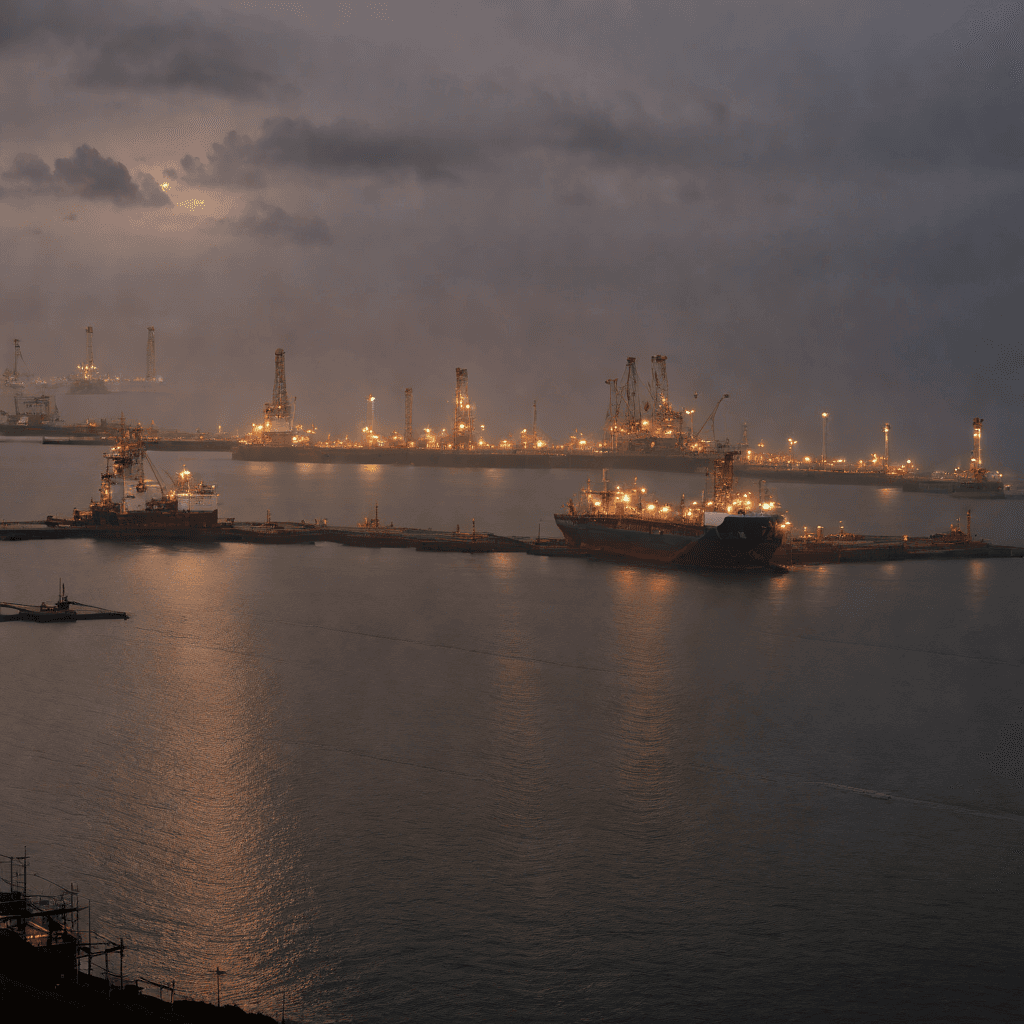
- Geopolitics image: >- GENERATE_ME: Wide cinematic view of oil tankers and LNG terminals along a stormy coastline at twilight, industrial lights cutting through mist, no people or faces visible
The Signal, Not the Sideshow
Japan’s gasoline market is sending a clear stress signal for the global energy system. TBS News Dig reported on March 4, 2026, that the national average retail price for regular gasoline reached ¥158.50 per liter as of March 2, up ¥1.40 week over week and marking a third straight weekly increase. Mainichi’s March 4 reporting adds that the full impact of Iran-related supply concerns may emerge more clearly in the coming week, while TBS cites expectations of a further ¥2 to ¥3 rise.
For US energy analysts, that sequence matters because persistence is not noise. One move can reverse quickly; three consecutive increases plus a fresh geopolitical catalyst can indicate pressure still moving through the system. Analysts should also account for exchange-rate shifts, refinery maintenance timing, and domestic policy settings that can amplify or soften weekly fuel moves.
Why Japan Moves Early
Japan is highly exposed to imported energy, so it reacts quickly when crude supply expectations tighten. In practice, that makes Japan a useful early-reading market: stable demand can reveal supply strain quickly, and retail prices can adjust before broader macro narratives reset.
That does not mean Japan predicts every market outcome. It means Japan is a sensitive node in the network, and sensitive nodes help analysts separate temporary volatility from structural repricing.
The Policy Layer Behind the Price Layer
Recent US policy direction has emphasized tighter export controls and broader national-security screening in technology-linked supply chains. Supporters argue this can improve resilience by reducing dependence on geopolitical rivals.
A competing view is that fragmented policy can add physical frictions to commodity flows even as digital systems keep scaling. Japan’s fuel data is consistent with that risk: software, chips, and AI infrastructure can accelerate while crude transport, refining capacity, and shipping routes remain constrained by geography and politics.
From Pump Prices to Macro Pressure
Higher fuel costs are a transmission channel, not just a consumer issue. As gasoline rises, transport costs climb, distribution margins tighten, and service-sector pricing pressure can broaden over time.
A related reference point is Japan’s Corporate Services Price Index, which analysts monitor for signs that input pressure is spreading beyond energy. Analysts should avoid assuming one-to-one pass-through, and should also consider offsets such as weaker demand, efficiency gains, or policy relief that can limit second-round inflation effects.
The Strategic Fork for the US and Its Allies
Japan and the United States face the same policy fork. One option prioritizes short-term relief through subsidies and fiscal buffering to protect households and political stability. The other prioritizes price transparency to force demand adjustment and capital reallocation.
Neither path is cost-free. Prolonged subsidies can erode fiscal flexibility, while abrupt withdrawal can concentrate pain in transport-dependent sectors and lower-income consumers. For macro investors and foreign policy strategists, a practical baseline is to include the possibility of more frequent energy stress episodes under fragmented trade and security rules, while also testing scenarios where supply conditions normalize faster than expected.
Conclusion: Markets Still Clear, But at What Price?
Japan’s move to ¥158.50 per liter, followed by reported expectations of further increases, is best read as a live indicator of a broader transition. Global systems built for efficiency are being reconfigured for security, a shift that can be inflationary in the short to medium term if supply frictions persist.
The core question for US decision-makers is no longer only whether markets will clear. It is whether they will clear at prices and volatility levels that remain politically and socially tolerable.
Sources & References
co
co • Accessed 2026-03-04
ガソリン3週連続値上がり 全国レギュラーガソリン平均価格158円50銭 2か月半ぶりの高値 イラン情勢で原油需給ひっ迫懸念 来週は「2円から3円値上げ」予想 TBSテレビ 2026年3月4日(水) 14:17 経済 イラン情勢を受けてガソリン価格が上昇し始めています。値上がりは3週連続で、1リットルあたり158円50銭となりました。おととい(3月2日)時点で全国のレギュラーガソリン平均小売価格は、前の週より1円40銭高い、… 続きを読む
View Original要約: 158.5円への上昇を受け、現場取材を交えて値上がり長期化の見通しを報じています。
co • Accessed 2026-03-04
レギュラーガソリン価格、3週連続の値上がり 前週より1リットルあたり1円40銭値上がり 来週は「2円から3円程度値上げの可能性」 山陰放送 2026年3月4日(水) 17:59 国内 資源エネルギー庁が4日に発表した、2日時点のレギュラーガソリンの全国の平均価格は、前の週と比べて1円40銭値上がりし、1リットルあたり158円50銭でした。3週連続の値上がりです。 続きを読む
View Originalガソリン3週連続値上がり、158円台 イラン攻撃の影響は来週から
Mainichi • Accessed 2026-03-04
ガソリン3週連続値上がり、158円台 イラン攻撃の影響は来週から
View Originalガソリン価格 3週連続の値上がり イラン攻撃 これから反映 岩手県
FNNプライムオンライン • Accessed Wed, 04 Mar 2026 10:45:00 GMT
サザエさんの「イクラちゃん」役の声優・桂玲子さんが死去 89歳 テレビアニメ「サザエさん」でイクラちゃん役の声優だった桂玲子さんが、誤嚥性肺炎による呼吸不全のため亡くなった。89歳。桂さんは1937年福岡県生まれ。アニメ「サザエさん」では、「ハーイ」「チャーン」「バブー」… 社会 4時間前
View OriginalWhat do you think of this article?