The Judicial Reckoning: Why Japan’s Unification Church Ruling Redefines Religious Immunity
Title: The Judicial Reckoning: Why Japan’s Unification Church Ruling Redefines Religious Immunity
A Judicial Thunderclap in Tokyo
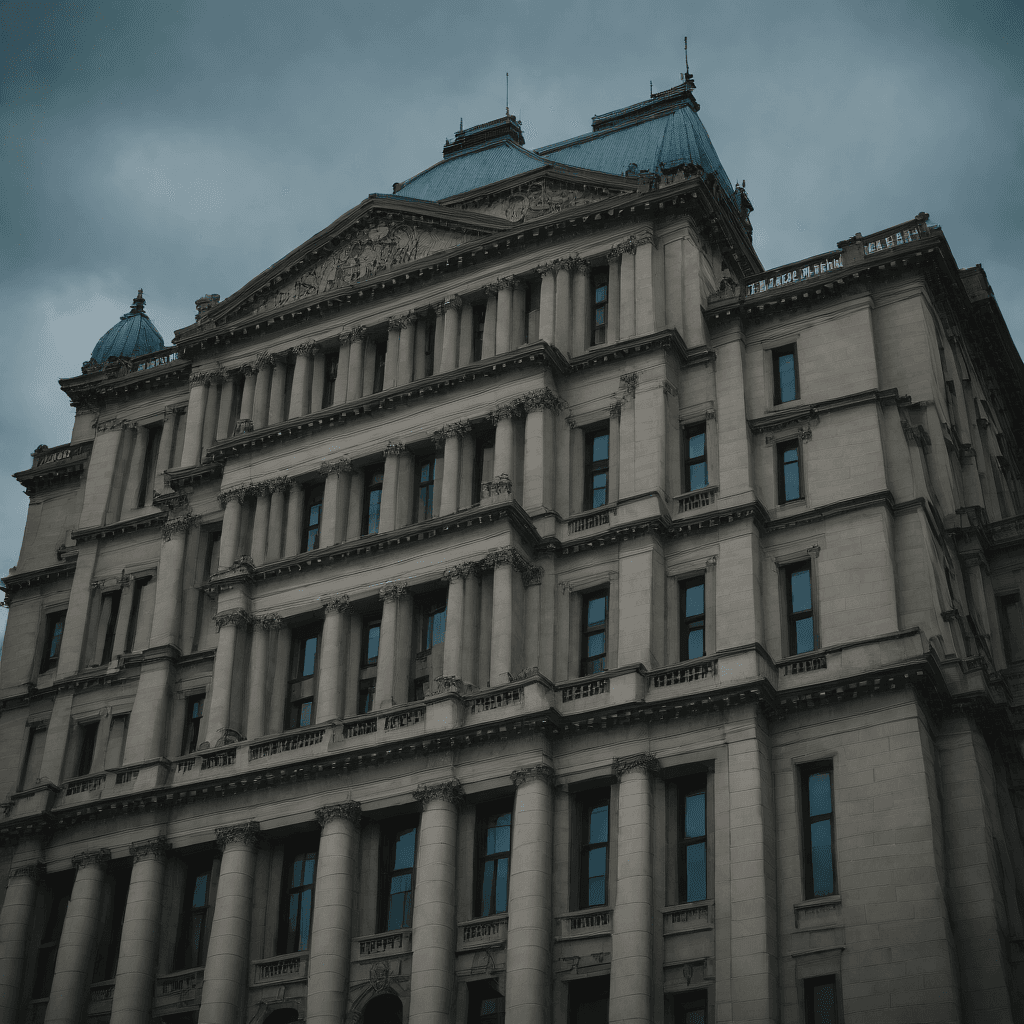
The Tokyo High Court this week issued a ruling to strip the Family Federation for World Peace and Unification—the Unification Church—of its religious corporation status, a move that challenges a decades-old wall of legal immunity. By upholding the government's request for dissolution, the Japanese judiciary signaled that the constitution’s "public welfare" clause serves as an active check on institutional power. This ruling, which the organization retains the right to appeal to the Supreme Court of Japan, meets a society exhausted by prolonged financial scandals.
The court anchored its decision in written findings that the church engaged in what the opinion described as "vicious and organized" solicitation of donations that exceeded the bounds of voluntary contribution. By removing the group’s status as a "religious corporation," the state aims to dismantle the fiscal and legal scaffolding that facilitated the accumulation of billions in revenue. The decision reverberates across the Pacific, prompting American legal scholars to re-examine religious immunity in an era of aggressive institutional expansion.
The verdict carries weight for those who survived what the National Network of Lawyers characterizes as the church’s predatory eras. Sarah Miller (a pseudonym), a former member whose family lost their life savings to "ancestor liberation" fees, views the dissolution as delayed justice. While the legal process focused on administrative definitions, the human reality is a narrative of reclaimed agency. As the potential liquidation process begins, the focus shifts to whether the state can recover assets to compensate victims of this decades-long extraction.
Shadows of the Assassin’s Bullet
The church's collapse traces back to the July 2022 assassination of former Prime Minister Shinzo Abe. That event exposed a deep symbiosis between the ruling Liberal Democratic Party (LDP) and church leadership. What began as a tragedy involving a lone gunman’s grudge over his mother’s bankruptcy evolved into a national reckoning over "zombie politics"—a term describing Cold War-era alliances that outlived their ideological utility but remained entrenched through mutual benefit.
Investigations revealed that nearly half of the LDP’s parliamentary members had contact with the church, ranging from event attendance to using church volunteers in campaigns. This shattered public trust and forced the government to invoke the Religious Corporations Act. The act allows dissolution only when actions are "clearly detrimental to public welfare," a high bar previously met only by the Aum Shinrikyo cult after the 1995 sarin gas attacks.
The church's political entrenchment ultimately caused its downfall. Once it became a visible liability for LDP survival, the organization lost its political shield. Current Japanese leadership, observing global trends toward transparency and the Trump administration’s scrutiny of non-state actors, realized the political cost of protecting the church was unsustainable. The assassination did not create the church’s problems, but it stripped away the anonymity that protected its mechanisms for half a century.
The Architecture of Coercion
At the heart of the government’s case was the practice of "spiritual sales," or seirei kansho. The court's findings detailed how the practice convinced followers that their misfortunes—illness, debt, or family strife—resulted from the suffering of their ancestors. The remedy: purchasing consecrated items like marble vases or miniature pagodas, often priced at tens of thousands of dollars. The National Network of Lawyers describes this as a centralized revenue model operating with corporate precision and psychological profiling.
Data from the National Network of Lawyers Against Spiritual Sales illustrates the scale of this extraction. Between 1987 and 2024, the network recorded over 35,000 cases of financial exploitation, with damages exceeding 120 billion yen. Experts suggest this is the tip of the iceberg, as many victims remain silent. The Network's findings indicate that solicitation often relied on "fear-based marketing," leveraging spiritual threats to induce the liquidation of real estate, pensions, and inheritances.
For James Carter (a pseudonym), a financial analyst who studied the church’s overseas money trails, what he characterizes as systemic coercion is a global phenomenon. While the Japanese branch served as the primary revenue source, funds were funneled into real estate and media ventures in the U.S. and South Korea. This international flow made domestic regulation difficult. The 2026 ruling represents the first time a major economy has successfully categorized these practices as systemic consumer fraud rather than protected religious exercise.
A Precedent of Peril and Protection
The dissolution order sparked international debate over the tension between protecting citizens from fraud and safeguarding freedom of belief. In the United States, where the First Amendment provides a robust shield, legal experts watch the Japanese precedent with mixed curiosity and concern. Critics argue that once a state defines religious practices as "detrimental to public welfare," it opens the door to targeting minority faiths.
Advocates fear the "Harmful Acts" criteria used by the Tokyo High Court could be weaponized by secularist governments. However, the counter-argument gaining ground in 2026 is that religious freedom cannot shield institutional abuse. If an organization uses its status to facilitate criminal activity or human rights violations, it may forfeit special tax and legal protections.
In the Trump-led U.S. landscape, this debate takes on a unique dimension. While the administration champions religious liberty, it also prioritizes protecting families from "foreign-influenced" entities. The Japanese ruling provides a framework for distinguishing between theology (which remains protected) and corporate conduct. The precedent suggests that while the state cannot judge revelation, it can judge the legality of a financial transaction.
Chasing Shadows Across Borders
The court's decision, if finalized, triggers a complex liquidation. The Unification Church is a transnational entity with holdings in real estate, fisheries, and media, including the Washington Times. The dissolution order requires a liquidator to identify and seize assets to satisfy billions in compensation claims. This is complicated by the church’s history of moving assets ahead of legal trouble.
A March 2026 report by the Financial Services Agency’s monitoring unit alleges that leading up to the ruling, significant Japanese assets were remitted to Korean headquarters or moved into decentralized cryptocurrency accounts. For Maria Rodriguez (a pseudonym), a lawyer specializing in international asset recovery, the challenge is unprecedented. Traditional strategies often fail against religious groups operating through non-profit shells and missionary funds. Successful liquidation depends on cooperation between Tokyo, Washington, and Seoul.
Japan’s decision marks an end to post-war "hyper-secularism," where the state avoided religious interference following the era of state-mandated Shintoism. By re-asserting authority, the Japanese government redefines the secular boundary to protect citizens from institutional overreach. This shift reflects a global movement toward active oversight, ensuring institutions adhere to transparency and human rights.
This evolution has profound implications. In an era where "America First" policies emphasize domestic stability, the Japanese model offers a roadmap for addressing organizations that occupy the space between faith, political lobbying, and corporate enterprise. The lesson is clear: when freedom of religion cloaks exploitation, the state has a moral and legal obligation to intervene. Religious immunity is no longer an absolute shield, as the Tokyo ruling signals that institutional protection must never come at the cost of human rights. This verdict stands as a definitive milestone in the global effort to ensure that no organization remains above the law when the welfare of the citizenry is at stake.
Sources & References
旧統一教会に解散命令、教団は清算手続きへ 献金勧誘めぐり東京高裁
Asahi • Accessed 2026-03-04
旧統一教会に解散命令、教団は清算手続きへ 献金勧誘めぐり東京高裁
View Original旧統一教会に解散命令 東京高裁 清算の手続き始まる
NHK • Accessed Wed, 04 Mar 2026 19:06:29 +0900
旧統一教会に解散命令 東京高裁 清算の手続き始まる
View Original旧統一教会の高知の被害者 高裁の解散命令に「やっと結果出た」
Asahi • Accessed 2026-03-04
旧統一教会の高知の被害者 高裁の解散命令に「やっと結果出た」
View Original東京高裁も旧統一教会に解散命令 保有資産の清算手続き開始へ(毎日新聞)
Yahoo!ニュース • Accessed Wed, 04 Mar 2026 02:08:32 GMT
現在JavaScriptが無効になっています Yahoo!ニュースのすべての機能を利用するためには、JavaScriptの設定を有効にしてください。 JavaScriptの設定を変更する方法はこちら トピックス 浪江はすてきな町だった 語る28歳 解散命令 信じられないと旧統一側 「SANAE TOKEN」名称を変更へ 議会中にヘリで市長搬送 痛み訴え ハーゲンダッツ なぜデザイン刷新 楽天浅村選手ら書類送検 賭博疑い 日テレ 嵐の特番制作報道に苦言 声優・桂玲子さん死去 SNSの反応 もっと見る 全カテゴリのトピックス一覧 ハーゲンダッツ なぜデザイン刷新 ヤフコメ トレンド おすすめのヤフコメを見る 1 法治国家 国内 / 社会 2 ドクターヘリ 地域 / 新潟 3 教団 国内 / 社会 4 自民党 国内 / 社会 5 ネトフリ スポーツ / 野球 6 信教 国内 / 社会 7 高市 国内 / 政治 8 税金 国内 / 社会 9 自国 国際 / 国際総合 10 汚点 国内 / 社会 11 NPB 地域 / 宮城 12 信者 国内 / 社会 13 献金 国内 / 社会 14 解散命令
View Original旧統一教会に再び解散命令 東京高裁、清算手続き開始
山形新聞 • Accessed Wed, 04 Mar 2026 04:19:00 GMT
5月2日(金)の朝刊はお休みです。2日のテレビ・ラジオ欄は1日にチラシと一緒に折り込んだ山形新聞「早出し金曜版」をご覧ください。 WBC米国代表が強化試合1戦目からジャイアンツを圧倒した。登板予定の投手全員を起用するため特別ルールで延長十回まで戦い、19安打、15得点。投げては先発スキー… [続きを読む] 注目! #共通テスト[47news] #クマ出没情報 #羽生結弦日めくりカレンダー #大谷翔平2025 岩手日報特別報道記録集 #モンテ #ワイヴァンズ #アランマーレ #街なかメタベース #WINNER #ニュートラックかみのやま #モンテ #高校野球 #ワイヴァンズ #アランマーレ #県女子駅伝 #県縦断駅伝フォトギャラリー #最上川200キロを歩く #モーニング野球 #U-39紙上歌会 #キジクルサマーキャンペーン #高校サッカー #中学野球 #県内桜パノラマ #21世紀山形県民会議 #全国学力テスト問題と解答[47news] #レディースセミナー #U-39紙上歌会 --> 模型一堂、新幹線・貨物列車・SL出発進行! 山形市・蔵王みはらしの丘ミュージアムパーク「はらっぱ館」
View Original旧統一教会、25年3月の現預金「668億円」 被害者救済の原資に
Mainichi • Accessed 2026-03-04
旧統一教会、25年3月の現預金「668億円」 被害者救済の原資に
View Original再発防止策は「解散命令以外ない」 旧統一教会、清算手続き開始
Mainichi • Accessed 2026-03-04
再発防止策は「解散命令以外ない」 旧統一教会、清算手続き開始
View Original「前例なき清算」始まる 旧統一教会問題、被害の完全救済へ 難題も
Mainichi • Accessed 2026-03-04
「前例なき清算」始まる 旧統一教会問題、被害の完全救済へ 難題も
View Original那須雪崩事故、元教諭ら2人に執行猶予 1人は再び実刑 東京高裁
Asahi • Accessed 2026-03-04
那須雪崩事故、元教諭ら2人に執行猶予 1人は再び実刑 東京高裁
View Original官房長官「すみやかな被害者救済を期待」、旧統一教会解散命令決定で
Asahi • Accessed 2026-03-04
官房長官「すみやかな被害者救済を期待」、旧統一教会解散命令決定で
View Original旧統一教会に解散命令 “宗教法人格”失い清算手続きへ…高額献金などが社会問題に
FNNプライムオンライン • Accessed Wed, 04 Mar 2026 02:53:00 GMT
サザエさんの「イクラちゃん」役の声優・桂玲子さんが死去 89歳 テレビアニメ「サザエさん」でイクラちゃん役の声優だった桂玲子さんが、誤嚥性肺炎による呼吸不全のため亡くなった。89歳。桂さんは1937年福岡県生まれ。アニメ「サザエさん」では、「ハーイ」「チャーン」「バブー」… 社会 4時間前
View OriginalWhat do you think of this article?