The Privatized Grid: How AI's Power Pledge Reshapes American Infrastructure
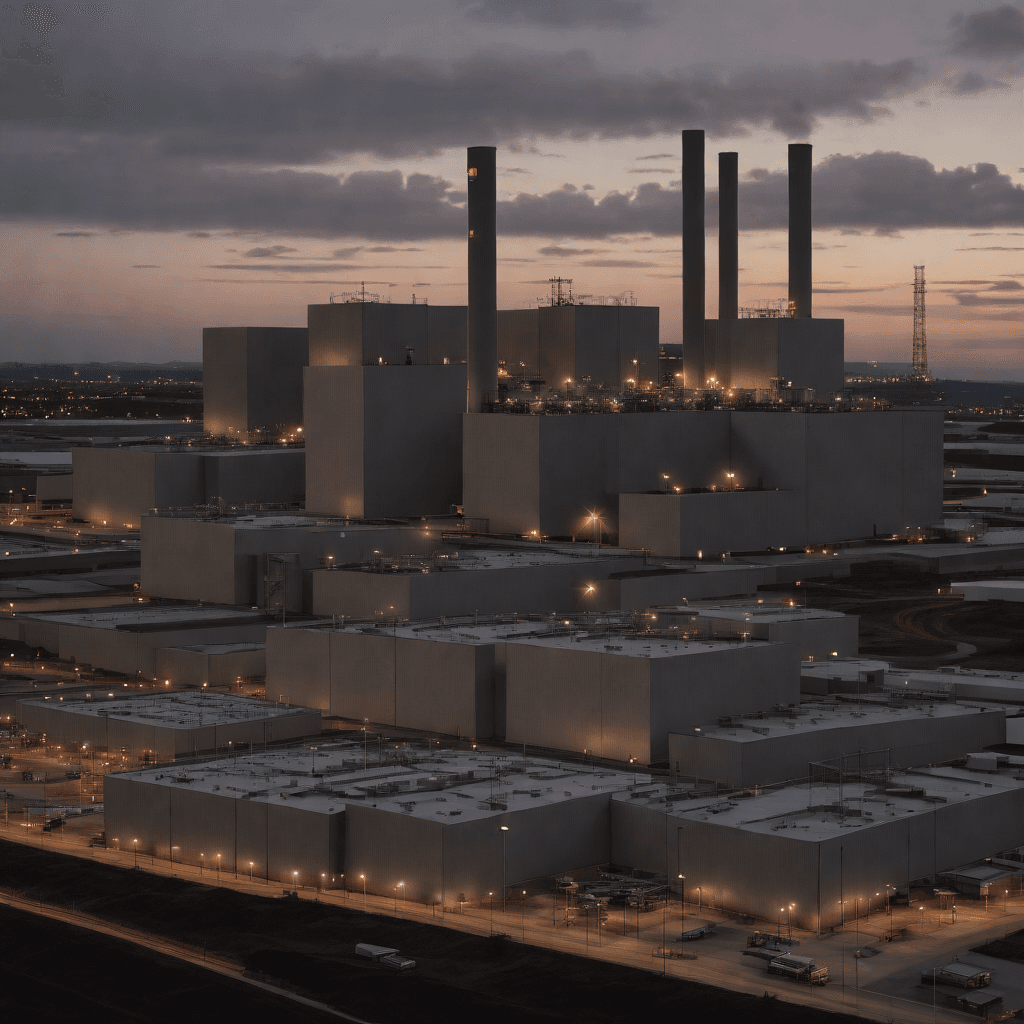
The Price of Acceleration
In a defining move of his second term, President Donald J. Trump established a new rule for the artificial intelligence arms race: if Big Tech builds massive data centers, it must supply its own power. As Yahoo Finance and Tom's Hardware reported earlier this year, the administration unveiled a "ratepayer protection pledge." This mandate orders technology companies to generate their own electricity or offset the surging energy costs of their facilities. The policy marks a sharp pivot in federal strategy, shielding consumers from utility spikes driven by the tech sector's immense electricity demand.
The White House touts this initiative as a strategy to cement the United States as the global leader in artificial intelligence, announcing tens of billions in private-sector AI and energy investments. By forcing the industry to shoulder its energy consumption, the administration attempts to reconcile its push for technological acceleration with the physical limits of the national power grid. Yet, this "America First" approach triggers a profound restructuring of how the country funds and manages critical infrastructure.
The core tension stems from the massive energy required to train and run advanced AI systems. PBS News noted that President Trump recently hosted AI leaders to sign the pledge, promising that household utility bills will escape the localized spikes in energy demand. However, executing this "build your own power plant" strategy, detailed by E&E News, raises complex questions. It challenges the future of energy distribution and asks whether private capital can seamlessly replace public utility planning.
A Fragile Foundation
The current physical reality of the American electrical grid underscores the urgency of this corporate mandate. The system actively buckles under extreme weather and historical underinvestment. Today, a crippling Midwest blizzard devastates local infrastructure, leaving thousands without heat and exposing deep vulnerabilities in regional power networks. When a winter storm severs basic utilities for entire communities, adding gigawatt-scale data centers to the same fragile grid presents an existential threat to public safety and economic stability.
For individuals like small business owner James Carter, navigating rolling blackouts in Ohio, the administration's tech ambitions feel disconnected from the immediate crisis of staying warm. The grid's inability to withstand natural disasters highlights a structural deficit that software cannot solve. Adding massive, always-on AI facilities threatens to drain whatever localized resilience remains. This dynamic forces utilities into impossible choices between heating homes and powering servers.
This vulnerability makes the tech industry's pledge a necessity, not a mere political concession. As KABB and WBFF reported, the President's call for tech companies to pay more arrives exactly as electric costs rise and capacity margins shrink nationwide. If these companies drew freely from the existing, strained infrastructure, the resulting systemic failures would rapidly erode public support for the administration's technological hegemony goals.
Privatizing the Power Lines
The mechanics of the ratepayer protection pledge demand a fundamental shift in how the country generates and distributes electricity. According to E&E News analysis, the "build your own power plant" directive tasks private technology conglomerates with executing infrastructure projects traditionally managed by regulated public utilities. To offset their immense consumption, these companies must invest directly in new generation capacity. This mandate transforms software companies into heavy industrial operators.
This privatization of power generation carries significant implications for the traditional utility model. Nextgov/FCW reports that the Big Tech pledge explicitly offsets rising data center energy costs but simultaneously bypasses the localized oversight mechanisms that historically governed energy markets. While this influx of private capital offers a lifeline to a chronically underfunded sector, it replaces democratic public utility planning with corporate optimization focused solely on server uptime.
The long-term consequence for the free market is a potential bifurcation of the energy sector. Everyday consumers remain tethered to aging, heavily regulated public grids. Meanwhile, tech giants operate modern, highly efficient, privately owned energy islands. If data centers pay for their own power, as President Trump intends, they also purchase independence from the public system. This raises questions about whether the arrangement will actually lower electricity prices for the public or simply insulate the wealthiest corporations from the consequences of a failing national grid.
The Transatlantic Divide
The Trump administration's aggressive, privately funded expansion of AI infrastructure occurs in stark contrast to the global regulatory environment. This ideological divergence exacerbates tensions with traditional allies. While the US effectively deregulates AI expansion by offloading infrastructure costs to the private sector to maximize speed, the European Union entrenches rigid digital privacy and safety walls. This deep diplomatic dispute over technological governance sends shockwaves through global markets, fracturing the historical transatlantic consensus on trade and innovation.
The European approach prioritizes state oversight and risk mitigation. It implements strict guardrails on how companies train, deploy, and power AI models. In contrast, hundreds of billions in private sector infrastructure investments bolster the US strategy, as noted by CBS News. The American model relies entirely on market forces and corporate self-funding to maintain dominance. This ideological split forces multinational companies to navigate two incompatible regulatory regimes, raising the cost of global operations and threatening to balkanize the digital economy.
This friction transcends a bureaucratic dispute; it is a battle for the fundamental architecture of the 21st century. By embracing a model where tech giants build unencumbered power grids, the US bets that sheer scale and speed will overcome international resistance. However, this isolationist tech policy risks alienating key allies and ceding influence in global standard-setting bodies. It potentially leaves American companies dominant at home but legally constrained abroad.
The Monopoly Risk
While the ratepayer protection pledge appears as a victory for everyday Americans, it introduces a severe, long-term structural risk. It encourages the consolidation of critical national infrastructure into the hands of a few tech monopolies. If companies must "bring their own power," as Yahoo Finance described the new ground rule, only the largest, most heavily capitalized corporations will survive the barrier to entry. This locks smaller competitors and startups out of the foundational AI market, cementing an oligopoly where only trillion-dollar entities can afford to innovate.
Beyond market competition, owning private power plants elevates these tech giants to quasi-sovereign entities. When a single corporation controls both the world's most advanced artificial intelligence and the physical energy grid required to sustain it, traditional federal oversight becomes dangerously ineffective. The risk of resource hoarding turns acute. In times of broader energy scarcity, these private corporate grids will logically prioritize their own data centers over surrounding communities, functionally overriding local utility needs.
The New York Times reported on the administration's insistence that tech companies pay more as bills rise, but the unintended consequence of this demand is the surrender of public leverage. By relying on Big Tech to fund the grid's expansion, the government trades short-term ratepayer relief for long-term infrastructural control. The debate over liberty versus security shifts from digital surveillance to physical resources. It asks whether the free market truly benefits when the companies consuming the most electricity monopolize the power driving the modern economy.
Who Owns the Switch?
The AI industry's pledge to fund its own power consumption encapsulates the paradox of the current era. It represents a massive mobilization of private capital disguised as populist ratepayer protection. By demanding that tech leaders offset their energy footprints, the administration successfully deflects the immediate political liability of spiking utility bills onto the corporate sector. However, this strategy fundamentally alters the social contract surrounding American infrastructure, shifting the burden of building the future from the state to the boardroom.
This approach guarantees the United States remains at the absolute frontier of artificial intelligence development, fueled by unprecedented private investment and a deregulated operational environment. Yet, it practically ensures the creation of a two-tiered nation. Tech monopolies will operate within hyper-modern, self-sustaining infrastructural bubbles. The broader public will continue relying on a decaying grid vulnerable to midwestern blizzards and systemic neglect. The illusion of stable household bills masks the reality of stagnating public infrastructure.
Ultimately, the requirement to "bring your own power" operates as a double-edged sword, solving a short-term crisis by creating a long-term dependency. If the US government cedes the responsibility of powering the next industrial revolution to unregulatable tech giants, it secures American hegemony against foreign rivals but loses control of its domestic foundation. The ultimate question is no longer who writes the algorithms, but who owns the switch that turns them on.
Sources & References
Trump wants data centers to pay for power. Will that lower electricity prices?
E&E News by POLITICO • Accessed 2026-03-05
Don’t Miss a Beat Maximize your impact with timely and in-depth reporting on the dynamic field of energy and the environment. SUBSCRIBE How DC dodged a bullet in Potomac River sewage spill Midwest utilities are looking to FERC for monopoly expansion Crenshaw defeated as blockbuster races take shape FILTER BY PUBLICATION SUBSCRIBER CONTENT ALL MOST RECENT Trump and AI leaders tout his ‘build your own power plant’ pledge BY ZACK COLMAN, GABBY MILLER, KATHERINE LONG | 03/04/2026 04:28 PM EST Deadly
View OriginalTrump Announces A.I. Industry Pledge to Pay for Power
NYT • Accessed Wed, 04 Mar 2026 22:25:58 +0000
Trump Announces A.I. Industry Pledge to Pay for Power
View OriginalWATCH: Trump hosts AI leaders to sign pledge that households won't bear utility bill increases
PBS • Accessed Wed, 04 Mar 2026 21:50:06 GMT
PBS Providing Support for PBS.org Learn More about PBS online sponsorship Support for PBS provided by: Catch Up on the Latest News PBS NEWS U.S. Urges Americans To Leave Middle East PBS NEWS How the War in Iran Is Impacting Global Energy Markets PBS NEWS Iranian Drones Strike U.S.
View OriginalTrump unveils Big Tech pledge to offset rising data center energy costs
Nextgov/FCW • Accessed Wed, 25 Feb 2026 05:03:00 GMT
▼ Scroll To Continue ▼ Trump’s CISA nominee said he left Coast Guard to address GOP hold Exclusive People Trump’s CISA nominee said he left Coast Guard to address GOP hold Sean Plankey confirmed the intent to Nextgov/FCW and said he’s “prepared to lead the nation’s cyber defense agency to protect the federal civilian networks and our nation’s critical infrastructure from physical and cyber attacks.” By David DiMolfetta 23 minutes ago Digital Government IRS CEO largely dodges question
View OriginalTrump lays out a new ground rule for Big Tech's AI build-out: Bring your own power
Yahoo Finance • Accessed Thu, 26 Feb 2026 05:40:00 GMT
We are experiencing some temporary issues. The market data on this page is currently delayed. Why surging oil prices 'may bite the hands' of the Fed The surge is forcing reevaluations of previous assumptions about inflation and the Fed's path for interest rates.
View OriginalTrump calls on tech companies to pay more as electric costs rise
KABB • Accessed Thu, 26 Feb 2026 18:06:59 GMT
News Home Local Cash for Kindness Keepin' it Puro Nation World Dangerous Dogs Yami Investigates Marshal's Most Wanted On the Run Entertainment Amazing America Offbeat Beyond The Podium Connect to Congress Question of the Day Focus on South Texas Full Measure with Sharyl Attkisson Election Spotlight on America Watch Live Problem Solver Immigration Addicted Texas Crisis in the Classroom Child Sex Trafficking SA Strong Immigration Crisis Podcast Mobile App Rising Waters Criminally Obsesse
View OriginalAs Electric Bills Rise, Trump Says Tech Companies Should Pay More
The New York Times • Accessed Wed, 25 Feb 2026 16:04:55 GMT
New York Times - Top Stories Live LIVE Mideast Conflict March 4, 2026, 8:11 p.m. ET Trump Administration March 4, 2026, 8:07 p.m. ET Midterm Primaries March 4, 2026, 8:05 p.m. ET Top Stories LIVE March 4, 2026, 8:11 p.m. ET Senate Republicans Block Limits to President’s War Powers Nearly every Republican voted to block a measure that would require that President Trump win authorization from Congress to continue the offensive.
View OriginalICYMI: President Trump Announces $92+ Billion in AI, Energy Powerhouse Investments
The White House (.gov) • Accessed Wed, 16 Jul 2025 07:00:00 GMT
Under President Donald Trump’s second administration, the United States has surged into a new era of prosperity, marked by record-setting economic growth and trillions in new private-sector investments fueled by tax reforms, deregulation, and a renewed focus on American innovation. The nation has solidified its position as the global leader in artificial intelligence, with record-setting capital expenditures driving productivity and technological advancement.
View OriginalTrump calls on tech companies to pay more as electric costs rise
WBFF • Accessed Thu, 26 Feb 2026 18:05:46 GMT
Station Home Advertising Careers Community Contact Contests Copyright Directions to WBFF EEO Email List Sign Up Black History Honors People Schedule Terms Events Sinclair Cares Partner Spotlight Greater Living Celebrating a Century Privacy For Pet's Sake Newsletter Sign Up Military Appreciation Show Us Something Good Next Gen TV Advocating for Your Child's Future GIVING A LIFT Community Connections Shoe in For School Success
View OriginalTrump orders Big Tech to generate its own power for AI data centers — reveals new 'ratepayer protection pledge' to curb rising electricity prices in the US
Tom's Hardware • Accessed Thu, 26 Feb 2026 12:00:00 GMT
Subscribe for one year for just $69 ","main_provider":"chargebee","bluebird_provider":true,"main_layer_enabled":true,"main_logo_position":{"verticalUp":{"rowLeft":true,"rowCenter":false,"rowRight":false},"verticalDown":{"rowLeft":false,"rowCenter":false,"rowRight":false}},"main_button_position":{"verticalUp":{"rowLeft":null,"rowCenter":false,"rowRight":false},"verticalCenter":{"rowLeft":true,"rowCenter":false,"rowRight":false},"verticalDown":{"rowLeft":false,"rowCenter":false,"rowRight":false}},
View OriginalTrump Announces Billion-Dollar Strategic AI Investment
GovTech • Accessed Wed, 22 Jan 2025 08:00:00 GMT
Trump Announces Billion-Dollar Strategic AI Investment
View OriginalTrump announces up to $500 billion in private sector AI infrastructure investment
CBS News • Accessed Wed, 22 Jan 2025 08:00:00 GMT
Live Hegseth says U.S. "just getting started" as Iran war spreads The U.S. is "accelerating, not decelerating" war on Iran, Hegseth says, as strikes intensify in the region and reach 1,000 miles away. 1H ago What we know about U.S. service members killed in Iran war Hegseth says U.S. torpedo sank an Iranian warship Americans urged to leave 14 Middle East countries amid Iran war
View OriginalWhat do you think of this article?