The Gulf Gambit: The Pentagon’s High-Stakes Shift to Tactical Overmatch
The Gulf Gambit: The Pentagon’s High-Stakes Shift to Tactical Overmatch
The Midnight Interdiction: Precision Strikes in the Strait
Under cover of darkness, reports of increased naval activity in the Persian Gulf suggest a shift toward kinetic reality. According to regional defense monitoring on March 5, indications suggest that forces in the area may have executed targeted operations against naval vessels. While official confirmation remains pending, analysts point to this as the potential replacement of legacy "containment" strategies with a doctrine of tactical overmatch. The signal appears to be that the era of maritime harassment is being met with a mandate to neutralize threats before they disrupt global commerce.
For personnel at regional command centers, the operation was the culmination of months of heightened readiness. Michael Johnson, a logistics coordinator for a major regional defense contractor, noted that the deployment speed was unprecedented, reflecting a streamlined command structure that prioritizes immediate results over protracted diplomatic signaling. By employing specialized undersea assets—weapons of finality rather than warning—the strategy suggests that patience for asymmetric maritime warfare has reached a tipping point.
The engagement also highlights the erosion of international guardrails as the 2026 Adjustment Crisis deepens. With domestic infrastructure facing systemic strain, the administration increasingly views foreign military action through the lens of economic security. This shift serves as a reminder that physical trade borders are being defended with the same aggressive focus on deregulation applied to the domestic economy.
Tactical Overmatch: The Pursuit of Air and Sea Dominance
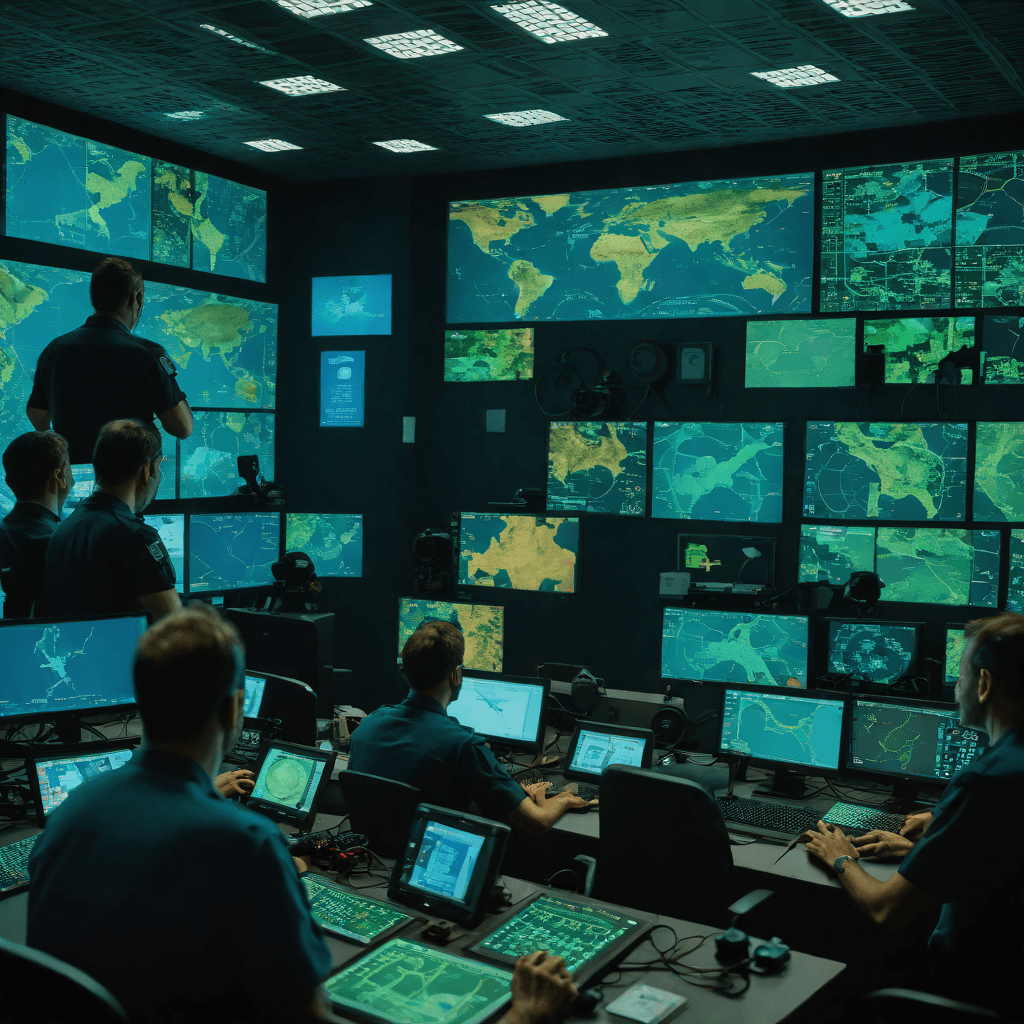
Recent strategic briefings suggest the U.S. is moving to secure "complete control of air superiority" in the theater. This transition from contested space to total overmatch represents a fundamental shift in modern warfare. By integrating undersea operations with a totalizing air umbrella, the military is moving toward creating an environment where hostile movement is detected and neutralized within seconds, precluding symmetrical responses.
This pursuit is driven by the 6G-era reality that control of the electromagnetic spectrum is as vital as control of the waves. Total air superiority enables an uninterrupted data flow between autonomous sensor arrays and precision-guided munitions—a concept known as "tactical transparency." When the sky is saturated by loitering munitions and high-altitude surveillance platforms, traditional naval tactics are challenged. The 2026 strategy views parity as a risk; the goal is to render conventional resistance functionally obsolete.
However, this drive for absolute control carries risks of overextension. Sarah Miller, a senior policy advisor in defense acquisitions, suggests that the cost of maintaining such dominance could drain resources from other critical fronts. While the technology allows for unprecedented precision, the "complete air superiority" mandate requires constant mobilization. The question remains whether this posture can be sustained without sparking a regional conflagration that domestic backers may not be prepared to fund.
The 2026 Doctrine: Unilateralism as a Tool of Stability
The reported Gulf actions manifest a "Trump 2.0" foreign policy that has largely moved away from the multilateral frameworks of the past decade. This doctrine views traditional diplomacy as a source of friction, favoring a unilateralism that seeks to secure trade routes through technological superiority. This pivot mirrors domestic policy, where the "America First" banner justifies removing obstacles to national interest. In this worldview, the security of a tanker in the Strait of Hormuz is directly tied to the economic liberty of a Midwest factory worker.
Yet, the shift faces internal critics. As reported by political analysts on March 5, some factions of the MAGA movement expressed concern that the U.S. is being "pulled into regional wars," viewing the escalation as a distraction from domestic priorities. This debate highlights the tension at the heart of 2026 isolationism: how to secure global trade without becoming bogged down in regional conflicts. Proponents argue that a single, overwhelming action is more isolationist than years of ineffective diplomacy, as it theoretically reduces the duration of American involvement.
The Global Oil Trap: Market Fragility and Symmetric Risks
The immediate casualty of kinetic engagement in the Strait of Hormuz is the global energy market's fragile equilibrium. Even the rumor of action can send risk premiums skyrocketing. For David Chen, a Houston-based energy trader, the events have turned a volatile market into a "price-discovery nightmare." The concern has shifted from supply disruptions to the "symmetric risk" of retaliation against regional infrastructure, such as desalination plants or neighboring oil terminals.
As the chart illustrates, the risk index for the Gulf has surged to 85, nearly triple that of US domestic production. This disparity reflects market fears that the "total dominance" strategy might inadvertently trigger the supply shock it seeks to prevent. If regional actors are backed into a corner by complete air superiority, their remaining leverage may be the systematic sabotage of energy assets—a scorched-earth maritime policy that could impact the global economy during the Adjustment Crisis.
Silicon Sentinels: Autonomous Escalation in the 6G Era
The reported 2026 actions are distinguished by the role of Advanced General Intelligence (AGI). The "kill chain"—identifying, tracking, and striking a target—has been compressed from minutes to milliseconds via 6G-enabled autonomous decision support. These "Silicon Sentinels" analyze data from satellites, sensors, and intercepted signals to predict potential threats. Hypothetically, such operations would be recommended by probability engines determining a high certainty of an imminent threat.
This automation of escalation alters the nature of deterrence. When the threshold for action is determined by algorithms optimized for overmatch, traditional diplomatic off-ramps may be bypassed. The binary nature of threat detection leaves little room for the nuanced signaling of 20th-century brinkmanship. This technological shift has effectively deregulated the battlefield, creating a system that prioritizes kinetic solutions. The machine values tactical efficiency as the primary variable.
For personnel, this means operating as part of a hybrid intelligence system. James Carter, a former drone operator now in private security, describes the experience as viewing the world through a lens of probabilities. The human element provides supervisory and ethical sign-off for actions initiated by AGI. As 6G allows for real-time control, the distance between command centers and the Strait of Hormuz has vanished, turning the globe into a single tactical map.
Navigating the Aftermath: The New Geopolitical Cold Front
The response from major powers suggests the reported actions have solidified a rigid geopolitical alignment. China, facing a lowered GDP growth target of 4.5% to 5%, is unlikely to welcome disruptions to its industrial energy flows. While Beijing has called for restraint, the evolving situation in the Gulf highlights a shifting balance of maritime influence. This creates a New Geopolitical Cold Front where the U.S. increasingly controls global trade arteries, while other powers must navigate within those parameters.
The EU remains in a precarious position, caught between reliance on American security and a desire for strategic autonomy. Brussels is likely to focus on strengthening digital and regulatory walls. The strategy of unilateral stability is viewed by some European leaders as a form of protectionism. This could lead to further fragmentation, with the West divided by the methodology of power. While the U.S. employs technological overmatch to secure the physical world, the EU may use legislation to secure its digital one.
Ultimately, the reported escalation in the Strait of Hormuz signifies a profound shift away from the post-Cold War rules-based order. In its place is a reality where the capacity for technological overmatch becomes the primary arbiter of security. The success of this strategy will be measured by trade route stability and American economic resilience. The world is reacting to a fait accompli, where the new stability is not a peace treaty, but a state of permanent, high-tech readiness. In this landscape, the preservation of global stability depends on whether these high-stakes gambits can be managed without triggering the very catastrophes they aim to prevent.
Sources & References
米国防長官“イラン海軍艦艇を魚雷攻撃 制空権を完全掌握へ”
NHKニュース • Accessed 2026-03-05
メニュー 閉じる JUST IN 「カイロス3号機」上昇中に飛行中断措置 “打ち上げは失敗” (12:48) 1 / 1 トップニュース 国内外の取材網を生かし、さまざまな分野のニュースをいち早く、正確にお伝えします 天気予報・防災情報 天気予報・防災情報を確認する 新着ニュース 中国 全人代 経済成長率の目標「4.5%~5%」去年から引き下げ 午後1:00 「カイロス3号機」上昇中に飛行中断措置 “打ち上げは失敗” 午後0:48 香港に送金しキックバック 74企業に所得隠し指摘 国税当局 午後0:20 「北海道 上富良野町で雪崩」通報 1人が巻き込まれた情報も 午後0:17 新着ニュース一覧を見る 各地のニュース 地図から選ぶ の最新ニュース 表示するエリア 北海道 青森県 岩手県 宮城県 秋田県 山形県 福島県 首都圏 茨城県 栃木県 群馬県 埼玉県 千葉県 神奈川県 新潟県 山梨県 長野県 東海 富山県 石川県 福井県 岐阜県 静岡県 三重県 関西 滋賀県 京都府 兵庫県 奈良県 和歌山県 鳥取県 島根県 岡山県 広島県 山口県 徳島県 香川県 愛媛県 高知県 福岡県 福岡県(北
View Originalイスラエルの戦争に引き込まれた? イラン攻撃巡りMAGA派が批判
Mainichi • Accessed 2026-03-05
イスラエルの戦争に引き込まれた? イラン攻撃巡りMAGA派が批判
View OriginalWhat do you think of this article?