The Hormuz Bottleneck: Why U.S. Economic Risk Starts at Sea
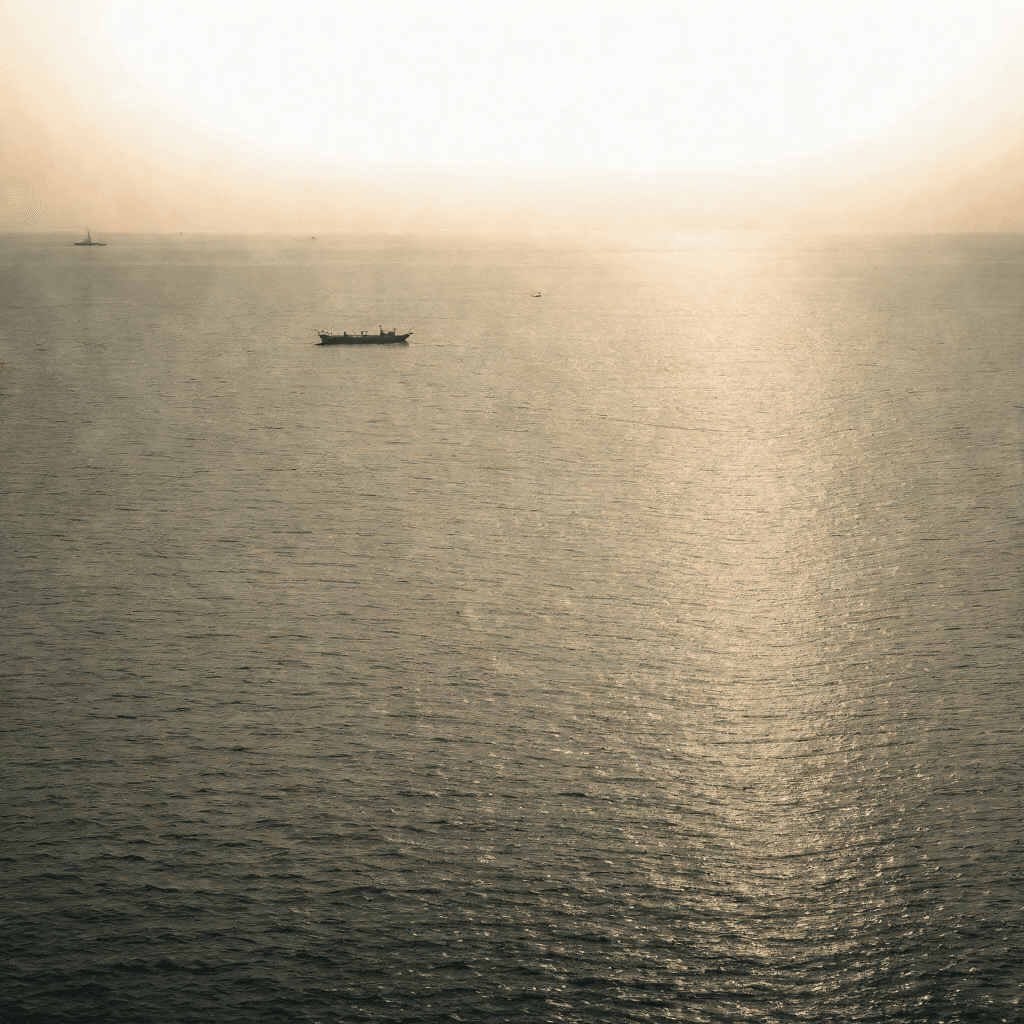
A Chokepoint Crisis Measured First in Lives
According to Mainichi, 24 Japanese mariners were in the Persian Gulf, with no reported damage at the time of reporting. In the immediate window, that is the most actionable confirmed fact: identifiable crews are exposed, while vessel position, resupply status, and onward routing remain unclear.
That distinction matters because maritime risk is temporal. A status update that is accurate at 09:00 can be outdated by noon in congested waters, especially when routing, pilotage, and port-access conditions shift quickly.
How a Gulf Incident Becomes a U.S. Problem
Hormuz becomes a U.S. economic story before formal declarations of war because expectations move first. Mainichi’s broader coverage describes rising resource prices and growing uncertainty around Japan’s outlook as tensions intensified.
In practice, buyers, shippers, and refiners reprice risk when a corridor looks unstable. That repricing can hit freight assumptions, procurement behavior, and inflation expectations before visible physical shortages emerge.
For U.S. readers, the policy implication is straightforward: geographic distance does not block macro transmission when a global chokepoint is involved.
The Operational Freeze Without a Formal Closure
The key operational question is not only whether ships are damaged, but whether ships can move on commercially viable terms. With confirmed crew exposure but limited public data on route-level transit and turnaround, operators often shorten planning horizons and defer commitments.
That behavior can create a de facto partial freeze: traffic may continue, but reliability can deteriorate enough to tighten effective supply.
The chart is illustrative, not a forecast, but it reflects the sequence most market participants watch first: insurance and logistics costs typically transmit faster than confirmed volume losses.
Insurance: The Fastest Multiplier
Insurance is often the hidden trigger in maritime shocks. A voyage can remain physically possible yet become economically unattractive if war-risk premiums spike or coverage narrows.
That is why localized security incidents can produce broader pricing pressure: insurance repricing can spread across fleets, counterparties, and routes, not only at the original flashpoint.
Washington’s Decision Window Under Trump’s Second Term
As of March 4, 2026, U.S. policy choices sit with President Donald Trump’s second-term administration. The practical test is sequencing: protect shipping confidence, deter escalation, and preserve de-escalation pathways before risk premia harden into broader inflation pressure.
A narrow security lens is insufficient. Policy effectiveness should also be measured by market outcomes: stabilizing freight and insurance conditions, improving delivery reliability, and keeping medium-term inflation expectations anchored.
A related financial signal is collateral and funding behavior in major importing economies. For context, the Bank of Japan’s end-February collateral publication shows how balance-sheet plumbing remains part of shock absorption.
The U.S. Bottom Line
The immediate headline is crew safety, and that priority is non-negotiable. But the U.S. decision reality is that prolonged disruption risk in Hormuz can transmit through insurance, shipping capacity, and expectations long before any formal wartime threshold is crossed.
If policymakers and firms wait for unmistakable physical scarcity, they may already be operating inside a repriced market.
Sources & References
ペルシャ湾内に日本人船員24人 被害情報なし ホルムズ海峡封鎖
Mainichi • Accessed 2026-03-04
ペルシャ湾内に日本人船員24人 被害情報なし ホルムズ海峡封鎖
View Originalホルムズ封鎖はイランにも痛手 中東各国、狂った「オアシス」の目算
毎日新聞 • Accessed Wed, 04 Mar 2026 10:41:51 GMT
WSJ日・英・中にフルアクセス。ビジネスの今を読む。月額550円、初月無料 トップニュース 速報 --> ランキング 緊迫する中東情勢 高市政権の行方 トランプ政権 トップニュース 物価高対策の効果「半分打ち消し」も? ホルムズ海峡封鎖でリスク 3/4 20:26 中東情勢の緊迫化を受け、日本経済の先行き不透明感が増している。米国とイスラエルによるイラン攻撃が始まった当初、市場では早期収束へ向かうとの楽観論もあったが、原油などの資源価格が高騰。日本経済に打撃が及ぶ「長期化リスク」とともに、政府が追加財政支援を検討する可能性も意識され始めた。
View OriginalWhat do you think of this article?