Lawfare in Seoul: Why the Opposition’s ‘Total War’ Threatens Stability
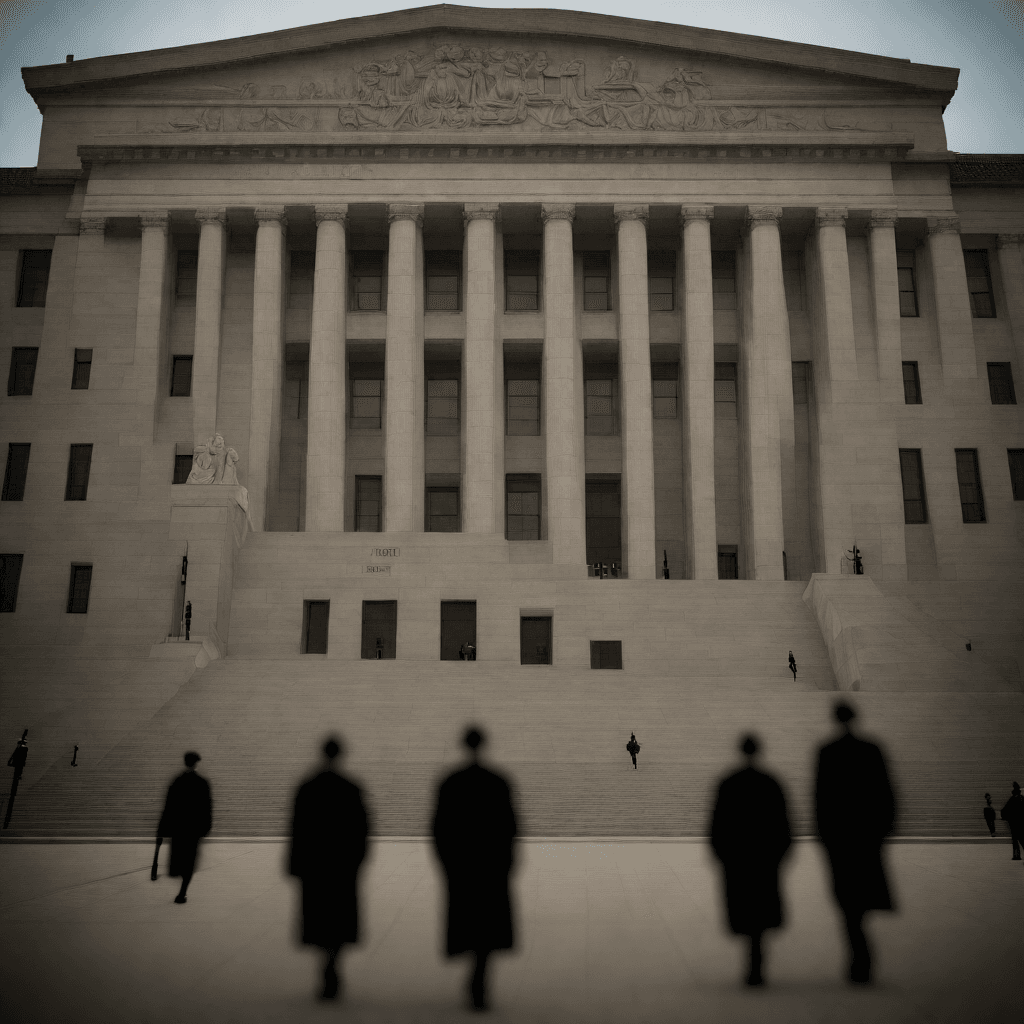
The Judicial Spark: A Recorded Catalyst
The recent release of a recording featuring former Ssangbangwool (SBW) Chairman Kim Seong-tae has ignited a volatile new chapter in South Korea’s political history. The audio, which has circulated rapidly through political circles, allegedly contains statements suggesting that the prosecution’s investigation into the North Korea remittance case involved significant pressure and potential manipulation of testimony. For an opposition that has long claimed it is the target of a "prosecutorial dictatorship," this recording serves as a primary piece of evidence for their narrative of state-sponsored lawfare.
This development represents more than a legal technicality; it is a signal that the political battleground has shifted from the courtroom to the public sphere. For David Chen, an institutional risk analyst monitoring East Asian markets, the fallout from the recording represents a breakdown in trust between the executive branch and the legislative majority. The Democratic Party has seized on the audio to frame the entire Ssangbangwool investigation not as a pursuit of justice, but as a flawed, potentially fabricated crusade designed to achieve political decapitation.
The Legislative Offensive: Neutralization as Strategy
Building on this momentum, the Democratic Party of Korea has pivoted from a defensive legal posture to an unprecedented legislative offensive. On March 6, 2026, Rep. Jung Chung-rae delivered a scathing address, asserting that the conduct of the prosecution in the Ssangbangwool case represents a grave threat to the democratic order. This language marks a definitive break from traditional decorum, signaling that the opposition no longer views the prosecution as a neutral arm of the state, but as a hostile combatant in an existential struggle.
This shift is the precursor to a strategy of "legislative neutralization." By leveraging their majority, the opposition is moving to introduce impeachment motions against the specific prosecutors leading the probe, while pushing for a Special Counsel mandate to strip current investigators of their authority. This tactic aims to create a "legal freeze," where any progress in the North Korea remittance case is halted by the very people it is designed to investigate. This strategy creates a dangerous precedent where the outcome of a criminal investigation is influenced by a floor vote rather than a judge, threatening the fundamental separation of powers.
The $8 Million Shadow: Remittances to Pyongyang
At the epicenter of this firestorm is the 2019 illegal remittance of $8 million to North Korea, a case that remains a potent legal threat to the opposition’s leadership. Records from the Suwon District Prosecutors' Office and Ssangbangwool Group suggest these funds were funneled to Pyongyang to facilitate provincial business projects and a high-profile diplomatic visit. This figure represents a direct violation of international sanctions and South Korean national security laws, making the stakes far higher than a standard corruption probe.
While the prosecution views this as a clear-cut case of national interests being compromised for political gain, the opposition maintains the case is a relic of a different diplomatic era. They argue it is being retroactively criminalized by an administration in Seoul that aligns closely with the isolationist "America First" posture of the Trump 2.0 administration. This ideological divide ensures that even the most basic facts of the financial transfers are interpreted through a lens of partisan warfare.
Procedural Aggression and the 2027 Referendum
The Supreme Prosecutors’ Office has defended their evidentiary integrity, arguing that "evidence fabrication" is impossible under current digital forensic protocols. However, the release of the Kim Seong-tae recording has turned the prosecution’s own "procedural aggressiveness" into a liability. A Constitutional Law Professor at Seoul National University noted that the allegations of coerced testimony, if substantiated, highlight a strategy that may cross into constitutional violation. In their zeal to secure a conviction, the state may have inadvertently provided the opposition with the tools needed to dismantle the case.
This conflict is the opening salvo of the 2027 presidential cycle. In the hyper-polarized environment of 2026, where the style of combatative politics has been validated globally, the survival of the opposition leadership is linked to their ability to delegitimize the legal system. If the Ssangbangwool probe results in a conviction before the next election, it would disqualify the current opposition hierarchy from national leadership. Consequently, the 2027 election is being framed not as a choice between policies, but as a referendum on the justice system itself.
Global Fallout: The 'Korea Discount' Reimagined
The "Total War" in South Korea’s courtrooms carries significant weight for its standing in the international community. The Trump 2.0 administration in Washington is monitoring the domestic health of its Pacific allies to gauge their reliability as partners in the high-stakes technological competition with China. A South Korea consumed by internal "Lawfare" is increasingly viewed by global risk analysts as a geopolitical liability rather than a stable anchor of democracy.
Institutional investors are also recalibrating their models to account for this judicial volatility. If the legal system can be neutralized by legislative fiat, the "rules of the game" for foreign capital become unpredictable. Global strategist Michael Johnson suggests the risk is that Seoul’s political warfare will eventually spill over into commercial courts, where contracts and intellectual property rights could be caught in the crossfire. Ultimately, the preservation of a neutral justice system is a cornerstone of national security and economic sovereignty that South Korea cannot afford to lose.
Sources & References
Suwon District Court Ruling on Kim Seong-tae's Bribery Charges (Case: 2025-Go-Dan-XXXX)
Suwon District Court (Suwon District Court Criminal Division 11) • Accessed 2026-03-06
On February 12, 2026, the court dismissed third-party bribery charges against former Ssangbangwool Chairman Kim Seong-tae, citing 'double indictment' (bis in idem). The court ruled that the prosecution indicted Kim for the same set of facts already covered in his ongoing trial for violating the Foreign Exchange Transactions Act.
View Original2023 Country Reports on Human Rights Practices: South Korea
U.S. Department of State • Accessed 2026-03-06
The report notes that while the law provides for an independent judiciary and the government generally respects this, high-profile political cases often lead to public debates and allegations of prosecutorial overreach.
View OriginalIllegal Remittance to North Korea: $8,000,000
Suwon District Prosecutors' Office / Ssangbangwool Group • Accessed 2026-03-06
Illegal Remittance to North Korea recorded at $8,000,000 (2019)
View OriginalSsangbangwool North Korea remittance case: A timeline of legal developments
The Korea Times • Accessed 2024-06-12
Provides the foundational context of the $8 million illegal transfer to North Korea in 2019 and the subsequent indictments of Lee Hwa-young and Lee Jae-myung.
View OriginalWhat do you think of this article?