The Muscat Corridor: UK Crisis Management in the 'America First' Era
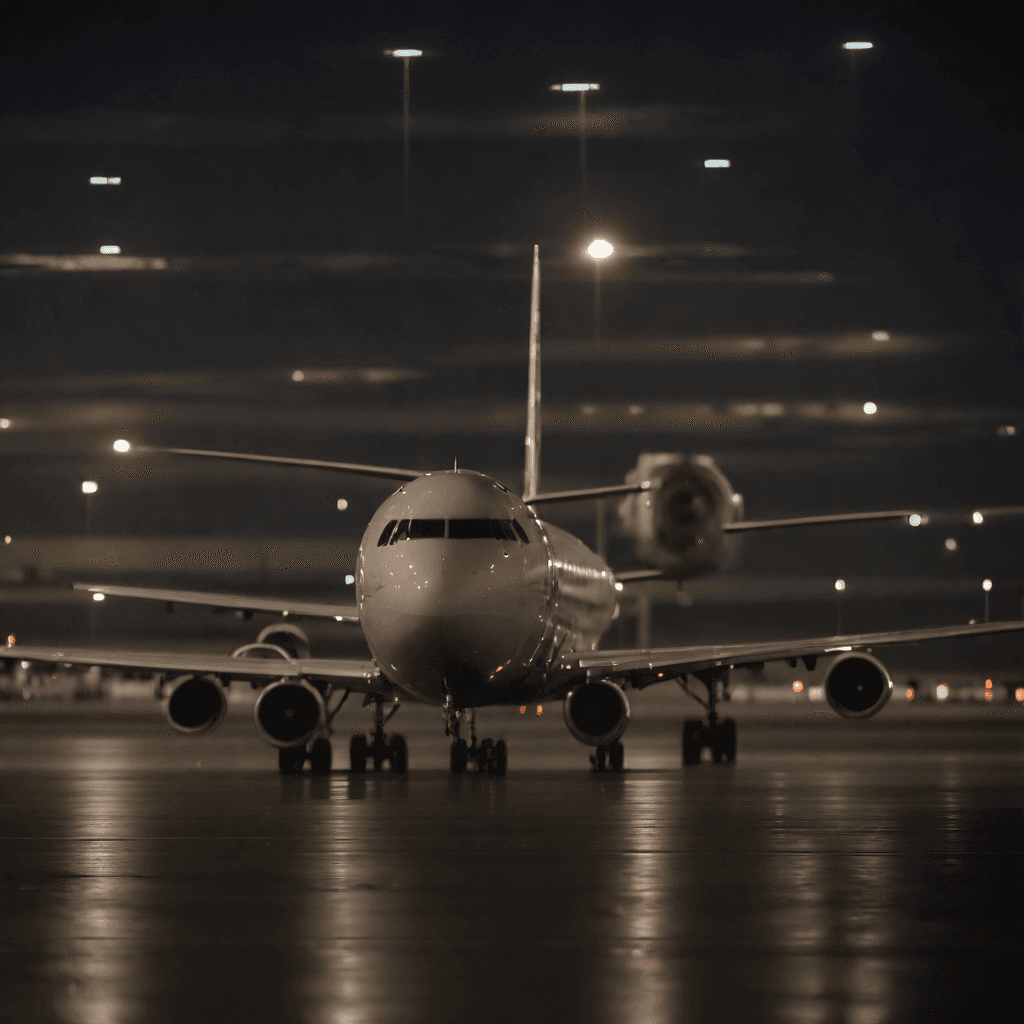
The Midnight Arrival at Stansted
The wheels of the Titan Airways charter touched down at Stansted Airport at 01:15 AM, cutting through the silence of a cold British night. For the passengers on board, the arrival provided a sense of safety following days of escalating sirens and strikes across the Middle East. However, this repatriation occurs against a backdrop of severe regional instability, including the suspension of Emirates flights and the sudden closure of several key air corridors, leaving analysts to question the long-term reliability of such state-chartered options.
In an era where the second Trump administration’s "America First" policy has recalibrated global expectations, the UK's mobilization is being watched closely. While the atmosphere in the terminal was one of efficiency, it stands in contrast to the volatile security situation that has paralyzed much of the Gulf's commercial travel. This mission suggests a British foreign policy that is attempting to navigate independent diplomatic paths, even as the regional security umbrella remains under significant strain.
The Muscat Corridor: Managing a Fragile Exit
The "Muscat Corridor" is the result of coordination with Omani authorities to secure a brief window of operation. While official statements have highlighted the success of the mission, some regional observers remain skeptical of whether such routes can remain open as tensions peak. Reports indicate that the flight focused on assisting families and those in immediate need, though specific boarding priorities and cost-recovery protocols for this operation have not been publicly detailed in official reports.
This logistics effort required handoffs between Omani air traffic control and British services, aiming to provide a viable exit strategy for the 140,000 British nationals registered in the zone. However, with the regional aviation infrastructure under immense pressure, these flights represent a high-cost alternative to the crumbling commercial networks of the Levant. The shift toward individual financial responsibility for such rescues mirrors broader global trends, even as the state takes the lead in securing the aircraft.
Navigating the Geopolitical Maze of Contested Airspace
Securing passage in 2026 requires navigating a "geopolitical maze" of contested airspace and electronic warfare zones. The U.S. State Department’s Bureau of Consular Affairs has already noted the suspension of emergency services in several regional capitals, complicating the exit strategy for many Westerners. Analysts observe that the speed of the regional escalation has left little room for traditional de-escalation cycles, forcing allies to act under intense pressure to maintain evacuation schedules despite official de-escalation hopes.
This escalation has prompted the UK to coordinate directly with regional partners in Oman and the UAE, though the risk of misidentification in high-tension skies remains a primary deterrent. While these chartered flights are presented as a bridge to safety, the broader reality of regional airspace closures and airline service suspensions suggests that the window for such operations is narrow and unpredictable. The professionalization of this crisis management occurs as allies must increasingly secure their own perimeters amidst shifting U.S. priorities.
A Blueprint or a Stopgap?
While this mission is being presented by some as a blueprint for future crisis management, others question if it is merely a fragile stopgap in a world defined by isolationist shifts. The UK’s ability to act independently for civilian evacuation suggests a necessary evolution in policy, yet the success of the Muscat flight was achieved under precarious conditions. Despite official portrayals of a seamless operation, the underlying reality is one of limited windows and high-stakes diplomatic maneuvering.
As the global landscape continues to fracture, the UK is refining its protocols to operate within the gaps of a shifting international order. The question for the remainder of 2026 is whether such rapid mobilizations can be sustained when the traditional global security framework is less certain. The Muscat landing at Stansted may be a conclusion for 140 passengers, but for analysts, it raises ongoing questions about the feasibility of self-reliant diplomacy in an increasingly volatile region.
Sources & References
Consular Response: Repatriation of British Nationals from the Middle East
Foreign, Commonwealth & Development Office (FCDO) • Accessed 2026-03-06
The UK government successfully coordinated the first chartered evacuation flight from Muscat, Oman, following the escalation of hostilities in the region. Priority was given to vulnerable citizens and families with children under 18.
View OriginalTravel Advisory: Iran and Regional Security Operations
US State Department (Bureau of Consular Affairs) • Accessed 2026-03-06
Level 4: Do Not Travel advisory issued for the entire region following US-Israeli strikes. Coordination with the UK government on evacuation corridors in Oman and the UAE remains a priority for US logistics.
View OriginalNumber of UK nationals in region: 140,000+
Foreign Office • Accessed 2026-03-06
Number of UK nationals in region recorded at 140,000+ (2026)
View OriginalSir Keir Starmer, Prime Minister
UK Government • Accessed 2026-03-06
This is a huge undertaking. We are working around the clock to ensure the safety of British nationals as the security situation remains volatile.
View OriginalWhat do you think of this article?