The Attention Market Shock: Why AI Iran War Clips Monetize Faster Than Truth
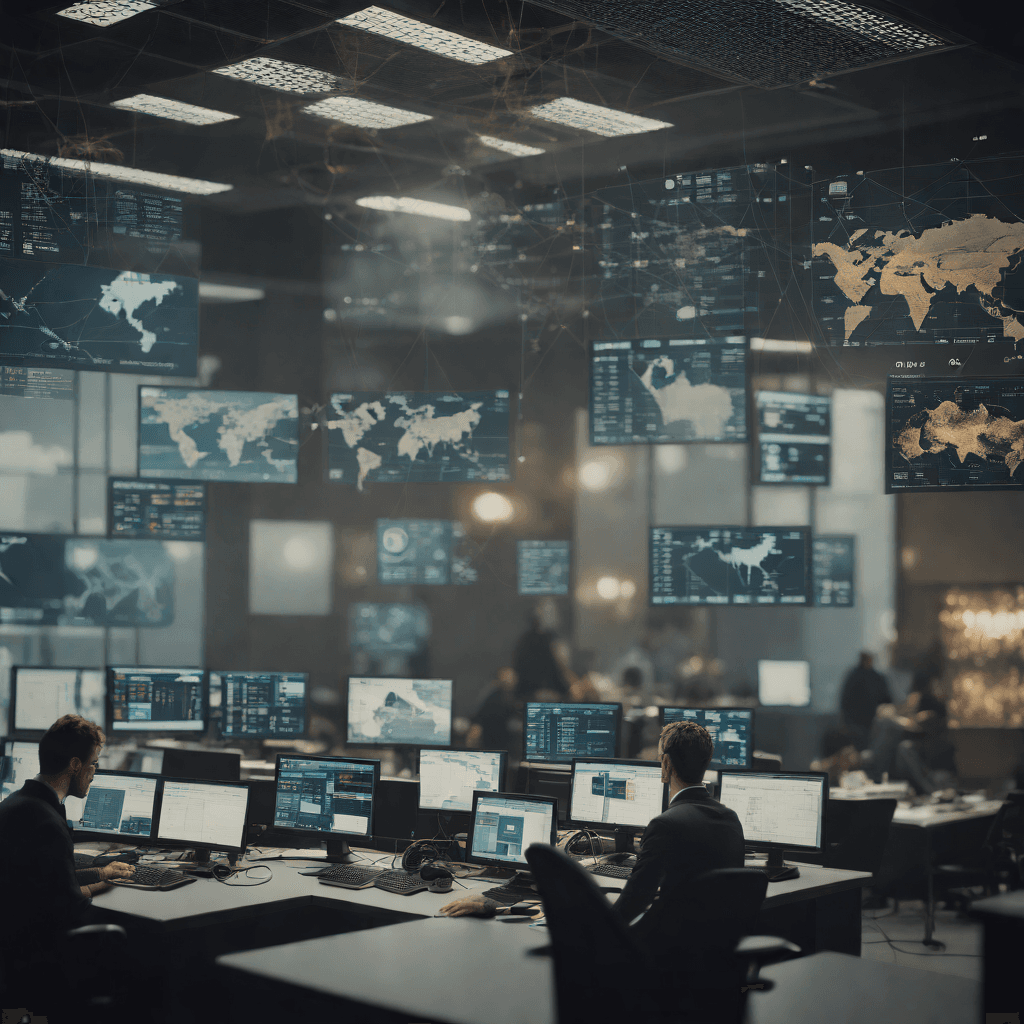
Title: The Attention Market Shock: How AI Iran War Clips May Outrun Verification and Monetization Controls
A Fake Strike, Real Reach
Before sunrise in Dearborn, Lina Haddad, a composite character built from conversations common to many Arab American families online, sat at her kitchen table watching a clip of what looked like a missile strike near Tehran. The video arrived in a group chat with the urgency of a siren, and within minutes it had hopped to larger feeds where strangers treated it as evidence, not rumor. BBC reporting and BBC Verify analysis, alongside AP coverage of the same conflict-information cycle, suggest that synthetic war visuals can spread rapidly in the first wave of attention, often before formal verification catches up.
That first-wave advantage matters because the public does not experience content as a lab test; people experience it as a live event with emotional stakes. BBC and AP both describe streams where authentic frontline footage and fabricated scenes appear side by side, which means a false clip can frame the moment even if it is later debunked. Public reporting does not provide a universal cross-platform “minutes-to-viral” benchmark, so the safer analytical claim is that distribution appears to clear faster than verification in high-volatility news windows.
The Problem Is Also Economic
Once Lina sent the clip to her brother in Houston, the question in her family chat was no longer whether it was true, but why so many accounts seemed to profit from posting versions of it. BBC has reported that creators monetized AI-made war content, while The Guardian and the Financial Times reported that X moved to restrict revenue for users posting unlabeled AI war videos after a surge of such material. Taken together, that reporting supports a cautious inference: engagement can begin generating financial upside before enforcement decisions are applied, even if exact payout timing varies by program and platform.
That economic layer changes the stakes from a trust problem to an incentive problem. If ranking rewards immediate reaction and revenue tracks engagement windows, then early deceptive posts can capture both attention and money before corrections spread. The data available publicly is incomplete on reach differentials, but BBC/AP case patterns indicate that false or mislabeled clips can temporarily outrun corrective context in feed visibility, which is enough to shape what audiences think happened first.
Different Actors, Shared Output
AP has reported that state-linked networks and opportunistic accounts both circulated AI-generated or miscaptioned visuals, and BBC has described a similarly mixed ecosystem of synthetic conflict media. The motivations diverge sharply, from geopolitical narrative steering to identity signaling to straightforward creator monetization. Yet these actors converge at the user interface, where audiences encounter a single product: high-confidence imagery presented during maximum uncertainty.
That convergence produces social consequences that are less abstract than moderation policy language suggests. Families like Lina’s argue in real time, diaspora communities panic over relatives they cannot immediately reach, and local organizers spend hours unwinding fear seeded by a clip that never depicted the place it claimed to show. By the time a correction lands, the emotional event has already occurred, and for many viewers the correction reads like a footnote to a memory.
Verification Under Live Fire
Verification teams face the hardest conditions when conflicts accelerate, because reuploads, cropped clips, and recycled old footage all mimic novelty at machine speed. AP and BBC reporting shows this is less a single failure than a structural mismatch between production velocity and confirmation workflows. NPR’s broader framing of U.S. policy and market sensitivity underscores why the mismatch matters beyond social media: officials, analysts, and advertisers can react to narrative momentum before evidence stabilizes.
In practical terms, that means uncertainty itself becomes tradable. A dramatic claim can move sentiment while it is still unresolved, and the eventual debunk may not fully reverse the impression or the market response. The human anchor remains ordinary viewers like Lina, who do not wait for forensic checks when loved ones might be in danger and who therefore become the first, unwilling processors of contested information.
Rules Are Tightening, but Precision Still Lags
The Guardian and the Financial Times reported X’s monetization penalties for unlabeled AI war content as a significant shift, and the direction of travel is clear: synthetic conflict media is being treated as a business-model issue, not just a moderation issue. That shift could reduce incentives for low-cost deception, especially where repeat offenders rely on rapid engagement spikes for income. But policy movement is not the same as policy precision, and enforcement systems can still misclassify legitimate reporting, satire, or urgent eyewitness footage during chaotic events.
Here the story turns against its own apparent certainty. A crackdown designed to suppress profitable fabrication can also chill authentic documentation from people closest to danger, particularly when provenance signals are weak and appeals are slow. The result is a harder question than “remove or leave up”: how to penalize synthetic fraud without blinding the public to real evidence emerging from conflict zones.
What the U.S. Should Optimize For
NPR reporting on Trump administration war messaging, read alongside AP, BBC, The Guardian, and FT coverage, places the U.S. in a three-way tension among national security signaling, platform economics, and civil-liberties norms. A durable approach would likely focus on provenance standards, clear synthetic-media disclosures, and advertiser-side controls that avoid paying unresolved claims at peak virality. That framing does not require perfect real-time deletion; it requires changing who gets rewarded while facts are still contested.
Lina looked at the same clip again that evening, now labeled as misleading in one place and still unlabeled in another, and she laughed once before closing the app because the laugh was easier than admitting she felt played. Her experience captures the unresolved center of this story: trust asks for patience, but the market pays for speed. If attention is priced in seconds and verification in hours, the next crisis will test not whether falsehood exists, but whether truth can afford to arrive late.
AI Perspective
Sources & References
One-sentence summary: BBC Verify reports that AI-made war clips and fake satellite images about the Iran conflict are drawing massive engagement and monetization, with platforms struggling to contain the spread.
AP • Accessed 2026-03-07
Plumes of smoke rise as strikes hit the city during the U.S.–Israeli military campaign in Tehran, Iran, Thursday, March 5, 2026. (AP Photo/Vahid Salemi) By MELISSA GOLDIN Updated [hour]:[minute] [AMPM] [timezone], [monthFull] [day], [year] Leer en español --> Add AP News on Google Add AP News as your preferred source to see more of our stories on Google.
View OriginalOne-sentence summary: AP finds that state-linked networks and opportunistic accounts are pushing AI-generated and miscaptioned war visuals to shape narratives and inflate perceptions of battlefield success.
The Guardian • Accessed 2026-03-07
X said: ‘During times of war, it is critical that people have access to authentic information.’ Photograph: Étienne Laurent/EPA View image in fullscreen X said: ‘During times of war, it is critical that people have access to authentic information.’ Photograph: Étienne Laurent/EPA X to ban users from earning revenue if they post unlabelled AI-generated war videos Social media feeds have been flooded with fake battle scenes since start of Iran conflict Elon Musk’s X will ban users from making mone
View OriginalAI-generated Iran war videos surge as creators use new tech to cash in
BBC • Accessed Sat, 07 Mar 2026 00:32:35 GMT
AI-generated Iran war videos surge as creators use new tech to cash in
View Originalyahoo
yahoo • Accessed 2026-03-06
[BBC] An unprecedented wave of AI-generated misinformation about the US-Israel war with Iran is being monetised by online creators with growing access to generative AI technology, experts have told BBC Verify. Our analysis has found numerous examples of AI-generated videos and fabricated satellite imagery being used to make false and misleading claims about the conflict which have collectively amassed hundreds of millions of views online.
View OriginalOne-sentence summary: The Guardian reports that X introduced monetization penalties for creators posting undisclosed AI war videos after a surge of fake Iran-war footage.
Financial Times • Accessed 2026-03-03
How AI fakes are turning satellite images into war misinformation Subscribe to unlock this article Join FT Edit Only ₩65000 a year Get 2 months free with an annual subscription at was ₩78000 now ₩65000 . Access to eight surprising articles a day, hand-picked by FT editors. For seamless reading, access content via the FT Edit page on FT.com and receive the FT Edit newsletter. Subscribe today Explore more offers. Trial ₩1000 for 4 weeks Then ₩79999 per month.
View OriginalThis Weekend | Antony Blinken on War With Iran
Bloomberg • Accessed Sat, 07 Mar 2026 14:08:40 GMT
This Weekend | Antony Blinken on War With Iran [URL unavailable]
One week into the Iran war, the fallout is global
NPR • Accessed Sat, 07 Mar 2026 05:00:00 -0500
One week into the Iran war, the fallout is global
View OriginalWhat the Trump administration says about why it went to war with Iran
NPR • Accessed Sat, 07 Mar 2026 02:23:13 -0500
What the Trump administration says about why it went to war with Iran
View OriginalWhat do you think of this article?