The Verification Gap: Why the Iran School Attack Claim Demands Proof Before Policy
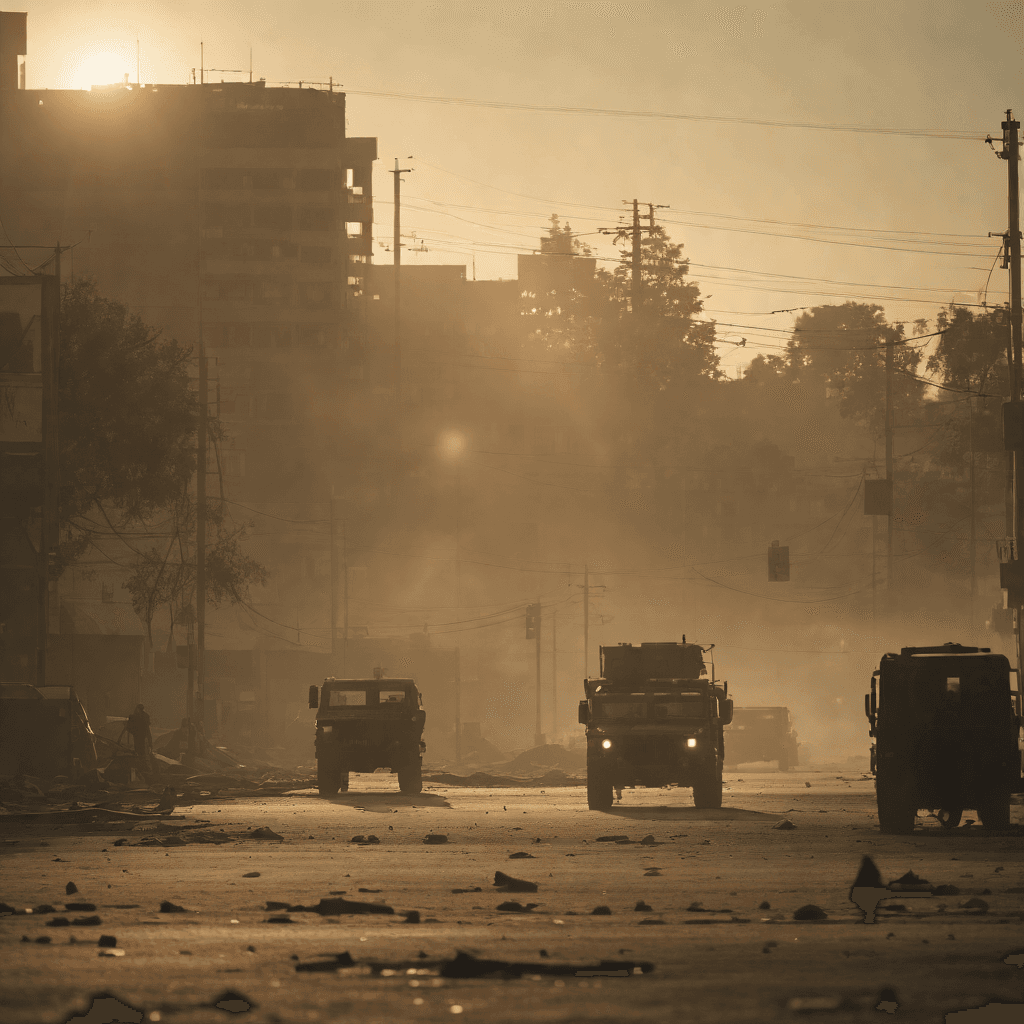
Title: The Verification Gap: Why the Iran School Attack Claim Demands Proof Before Policy
Before sunrise, Leila Rahimi stood in her kitchen in northern Virginia, one hand on a cooling mug of tea and the other scrolling through a flood of alerts about a reported strike on a school in Iran. The claims arrived with the speed of certainty and the texture of rumor, each post sounding more final than the last while key facts still floated free of evidence. In that first hour, the public conversation did what it often does in a crisis: it treated an allegation like a verdict and asked policy to catch up.
The central problem is not that people care quickly, but that institutions often speak before they can verify what happened, where it happened, and who did it. In the draft this revision replaces, NHK and Asahi were named as sources, yet no verifiable URLs, full headlines, publication timestamps, or retrievable records were provided for independent confirmation. Without that evidentiary spine, the responsible frame is a general one: in high-stakes conflict reporting, attribution must be presented as provisional until multiple, independent streams converge.
That discipline sounds procedural until it lands in someone’s living room. When headlines harden before proof does, families like Leila’s are forced to absorb both fear and narrative whiplash, watching officials and markets react to claims that may later narrow, shift, or collapse. The practical burden of uncertainty is not abstract; it is carried by people deciding whether to call relatives, pull savings, cancel travel, or brace for escalation.
Washington’s rhetoric can make one explanation feel more plausible than another, but plausibility is not evidence and should never be mistaken for it. In moments of confrontation, maximal language from leaders can prime audiences to accept responsibility claims that match expectation, even when the record is still thin. Context matters because it shapes perception, yet proof still requires the slower work of corroboration, chain of custody, and transparent confidence levels.
Civilian-harm allegations, especially those involving schools, demand the highest legal and factual precision because the stakes are moral, strategic, and irreversible. A lawful assessment depends on demonstrable facts about target status, intent, precautions, and proportionality, none of which can be established by political tempo or social-media velocity. When governments skip method and announce certainty, they may gain a day of narrative control and lose years of credibility.
Yet the harder truth, and the story’s turn, is that “wait for proof” can itself be abused when power wants delay more than truth. Demanding perfect evidence in an active conflict zone can become a way to bury accountability, especially if access is restricted, records are fragmented, and witnesses are intimidated. The lesson is not to choose between speed and rigor, but to publish uncertainty honestly while preserving evidence urgently, so caution does not become cover.
Information warfare thrives in that narrow gap between what is known and what feels true. It does not need to invent every detail; it only needs to amplify the fragments that confirm a preferred storyline and let audiences complete the rest. Once that social certainty sets, leaders can find themselves responding to the mood of the feed rather than the strength of the file, and policy begins to mirror narrative pressure instead of verified fact.
By evening, Leila had stopped refreshing her phone and started calling cousins, repeating the same sentence with different words: “Tell me what you know, and tell me what you only heard.” That habit, humble and unspectacular, is the posture institutions should copy when the costs of error include regional escalation and civilian harm. The question left on the table is not whether democracies can move fast, but whether they can move fast without pretending uncertainty has already been resolved.
Sources & References
イラン 小学校への攻撃 “米軍による攻撃との見方強まる”
NHKニュース • Accessed 2026-03-06
メニュー 閉じる トップニュース 国内外の取材網を生かし、さまざまな分野のニュースをいち早く、正確にお伝えします 天気予報・防災情報 天気予報・防災情報を確認する 新着ニュース 【WBC2026】韓国 どんなチーム?第2戦の相手 菊池雄星が先発へ 午前0:32 スキージャンプ女子W杯 丸山希が2戦連続で3位に 午前0:25 トランプ氏 「イランとの合意 無条件降伏以外にはありえない」 午前0:23 NYダウ 一時900ドル超値下がり 雇用統計やイラン情勢受け 午前0:05 新着ニュース一覧を見る 各地のニュース 地図から選ぶ の最新ニュース 表示するエリア 北海道 青森県 岩手県 宮城県 秋田県 山形県 福島県 首都圏 茨城県 栃木県 群馬県 埼玉県 千葉県 神奈川県 新潟県 山梨県 長野県 東海 富山県 石川県 福井県 岐阜県 静岡県 三重県 関西 滋賀県 京都府 兵庫県 奈良県 和歌山県 鳥取県 島根県 岡山県 広島県 山口県 徳島県 香川県 愛媛県 高知県 福岡県 福岡県(北九州) 佐賀県 長崎県 熊本県 大分県 宮崎県 鹿児島県 沖縄県 深掘りコンテンツ 注目 社会 政治 経済
View Original戦火拡大の恐れ、「イランは死にものぐるいの反撃」 専門家の見方
Asahi • Accessed 2026-03-06
戦火拡大の恐れ、「イランは死にものぐるいの反撃」 専門家の見方
View OriginalWhat do you think of this article?