Market Fragility: How Energy Insecurity Triggered the 4,200-Yen Flash Crash
Title: Market Fragility: How Energy Insecurity Triggered the 4,200-Yen Flash Crash
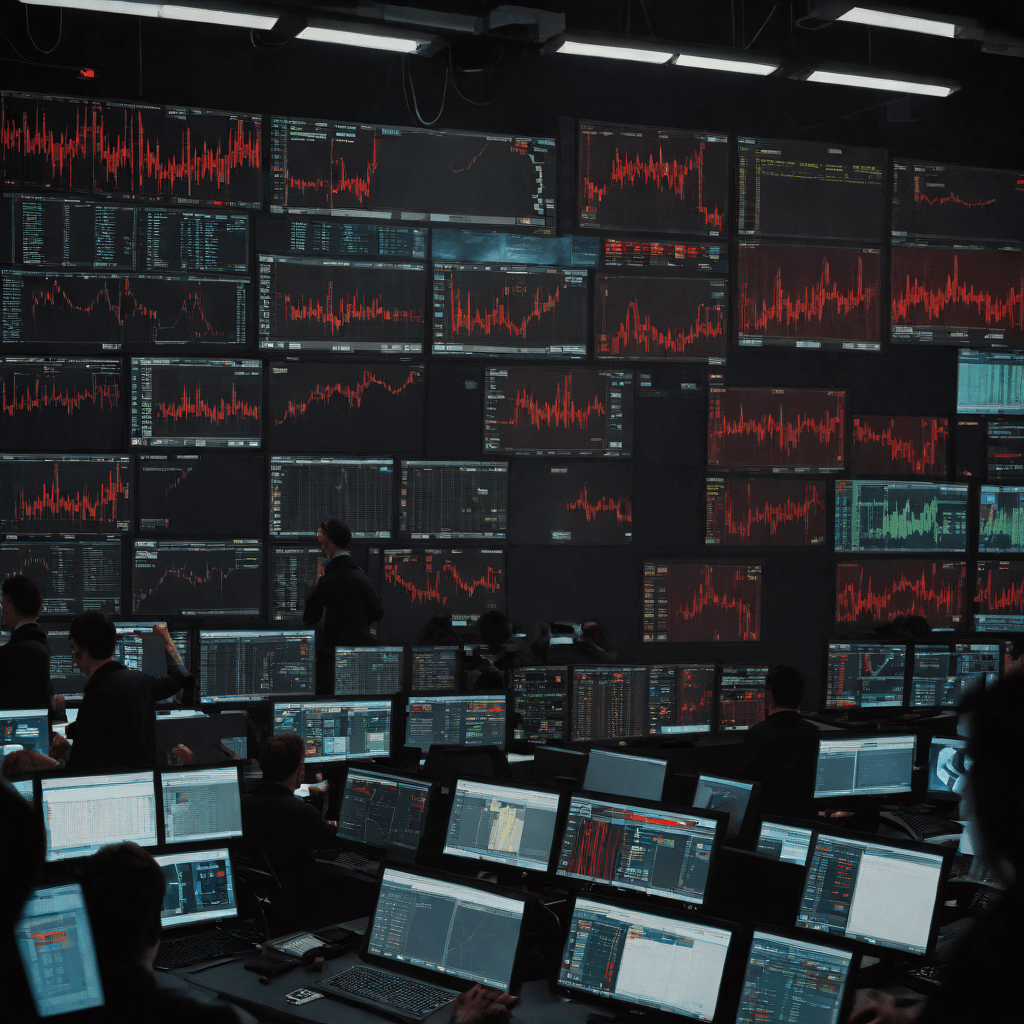
The Nikkei 225 plummeted more than 4,200 yen on March 9, 2026, signaling a systemic rupture rather than a standard market correction. According to NHK data, the sell-off was triggered by an acute realization among institutional investors that global energy supply chains are significantly more brittle than modeled. The collapse of the initial 38,200-yen support level acted as a psychological tripwire, transforming a controlled liquidation into a full-scale rout. This breach suggests that even the Trump administration’s aggressive deregulation policies cannot fully insulate capital from physical resource shocks.
The decline reflects deep-seated anxiety regarding crude oil stability within a fragmenting geopolitical landscape. Surpassing the 4,200-yen mark signaled a shift from profit-taking to a systemic flight to safety. In 2026, the integration of 6G-enabled high-frequency trading (HFT) platforms means localized fears regarding the Strait of Hormuz or Iranian maneuvers are priced into global portfolios within milliseconds. The resulting flash crash demonstrates that while digital financial architecture is advanced, it remains fundamentally tethered to physical resource flows.
The Energy Master Variable in Industrial Finance
Industrial health across the United States and the Pacific Rim is currently facing the "Ethylene Bottleneck," a direct consequence of energy market volatility. Ethylene, a primary building block for plastics and chemicals, has seen domestic production hit by an unstable outlook. According to Asahi reports, this supply anxiety is already reducing the production of plastic raw materials. This is a practical crisis for the broader manufacturing base that relies on these petrochemical derivatives.
This shift creates a cascading effect where upstream slowdowns increase raw material costs for consumer goods. Regional logistics coordinators note that as ethylene-based component prices fluctuate, supply chains for medical devices and automotive parts begin to seize. The market reaction confirms that crude oil remains the master variable of the industrial economy, dictating manufacturing margins in a high-inflation environment.
Geopolitical Friction Points and the 2026 Context
Escalating tensions involving Iran have again jeopardized global supply stability, acting as the primary catalyst for market turmoil. As the Trump administration pursues an "America First" isolationist trade policy, the traditional security guarantees that once stabilized maritime routes are being reassessed. The lack of a coordinated international response to Middle Eastern friction points has left markets vulnerable, with NHK analysis indicating that the "Iran situation" is driving sharp spikes in risk premiums.
This isolationist pivot creates a paradox: U.S. financial markets remain inextricably linked to global price parity despite increased energy independence through deregulation. Observers note that when tensions rise in the Persian Gulf, the domestic cost of energy-intensive production in the U.S. rises regardless of local supply volumes. The 2026 landscape is defined by these friction points—where political instability meets a rigid, just-in-time delivery system.
The Feedback Loop of Algorithmic Panic
AI-driven sell orders exacerbated the drop, revealing structural flaws in risk management. In the 6G-connected economy, algorithms are programmed to respond to supply-chain data points in real-time. When reports regarding G7 and IEA discussions on oil reserves were released, automated systems interpreted the move as a confirmation of the crisis severity rather than a stabilization effort. This created a feedback loop where selling begat more selling, pushing the intraday plunge past the 4,200-yen mark.
These algorithmic responses often bypass human nuance, focusing on zero-latency execution. The psychological impact of a 4,200-yen drop triggers manual panic-selling from retail investors who fear algorithms possess superior information. This synergy between machine speed and human fear ensures that volatility becomes catastrophic when energy variables are threatened. Automating the response to volatility may be ensuring that markets react with binary aggression to physical constraints.
Decoupling Portfolios from the Wellhead
Certain market sectors have shown resilience despite the carnage in industrial sectors. Software-as-a-Service (SaaS) providers and decentralized finance (DeFi) platforms, which operate with minimal physical footprints, did not mirror the Nikkei’s collapse. This divergence suggests the emergence of "energy-hedged" investing, where capital flows toward assets less vulnerable to traditional supply chain constraints.
Portfolio managers are increasingly identifying companies that have mitigated reliance on petrochemical inputs. While the broader market remains tethered to the wellhead, these resilient sectors offer a blueprint for stability. However, the current crisis serves as a reminder that even virtual businesses rely on physical infrastructure powered and packaged using hydrocarbons.
International bodies are moving toward emergency interventions, with the G7 and IEA discussing a coordinated release of strategic oil reserves. While intended to buffer supply anxiety, analysts view these as temporary palliatives. Stabilizing markets against resource volatility will require a redesign of how industrial production is financed and how risk is priced in an era of constant geopolitical friction. The current crash is a warning that the Adjustment Crisis of 2026 is far from over.
Sources & References
株価 一時4200円を超える急落 原油の安定供給への懸念強まる中 | NHKニュース | 株価・為替、金融、イラン情勢
NHKニュース • Accessed 2026-03-09
メニュー 閉じる トップニュース 国内外の取材網を生かし、さまざまな分野のニュースをいち早く、正確にお伝えします 天気予報・防災情報 天気予報・防災情報を確認する 新着ニュース G7 IEA加盟国の備蓄石油 市場放出の可能性を議論へ 英報道 午後3:51 宮城 石巻 東日本大震災から15年を前に警察が行方不明者を捜索 午後3:50 株価 一時4200円を超える急落 原油の安定供給への懸念強まる中 午後3:49 水産物輸入停止続く韓国で福島の魅力伝える動画発信 復興庁 午後3:42 新着ニュース一覧を見る 各地のニュース 地図から選ぶ の最新ニュース 表示するエリア 北海道 青森県 岩手県 宮城県 秋田県 山形県 福島県 首都圏 茨城県 栃木県 群馬県 埼玉県 千葉県 神奈川県 新潟県 山梨県 長野県 東海 富山県 石川県 福井県 岐阜県 静岡県 三重県 関西 滋賀県 京都府 兵庫県 奈良県 和歌山県 鳥取県 島根県 岡山県 広島県 山口県 徳島県 香川県 愛媛県 高知県 福岡県 福岡県(北九州) 佐賀県 長崎県 熊本県 大分県 宮崎県 鹿児島県 沖縄県 深掘りコンテンツ 注目 社会 政
View Original株価 一時4200円を超える急落 原油の安定供給への懸念強まる中
NHK • Accessed Mon, 09 Mar 2026 15:49:04 +0900
株価 一時4200円を超える急落 原油の安定供給への懸念強まる中
View Original「エチレン」国内生産に影響 イラン情勢 原油の安定供給懸念で
NHK • Accessed Mon, 09 Mar 2026 15:07:54 +0900
「エチレン」国内生産に影響 イラン情勢 原油の安定供給懸念で
View Original原油供給不安→プラ原料に減産の動き 値上がりは消費者の負担増にも
Asahi • Accessed 2026-03-09
原油供給不安→プラ原料に減産の動き 値上がりは消費者の負担増にも
View OriginalWhat do you think of this article?