Precision Safety: Japan Deploys Drone Mesh to Counter Hokkaido’s Bear Crisis
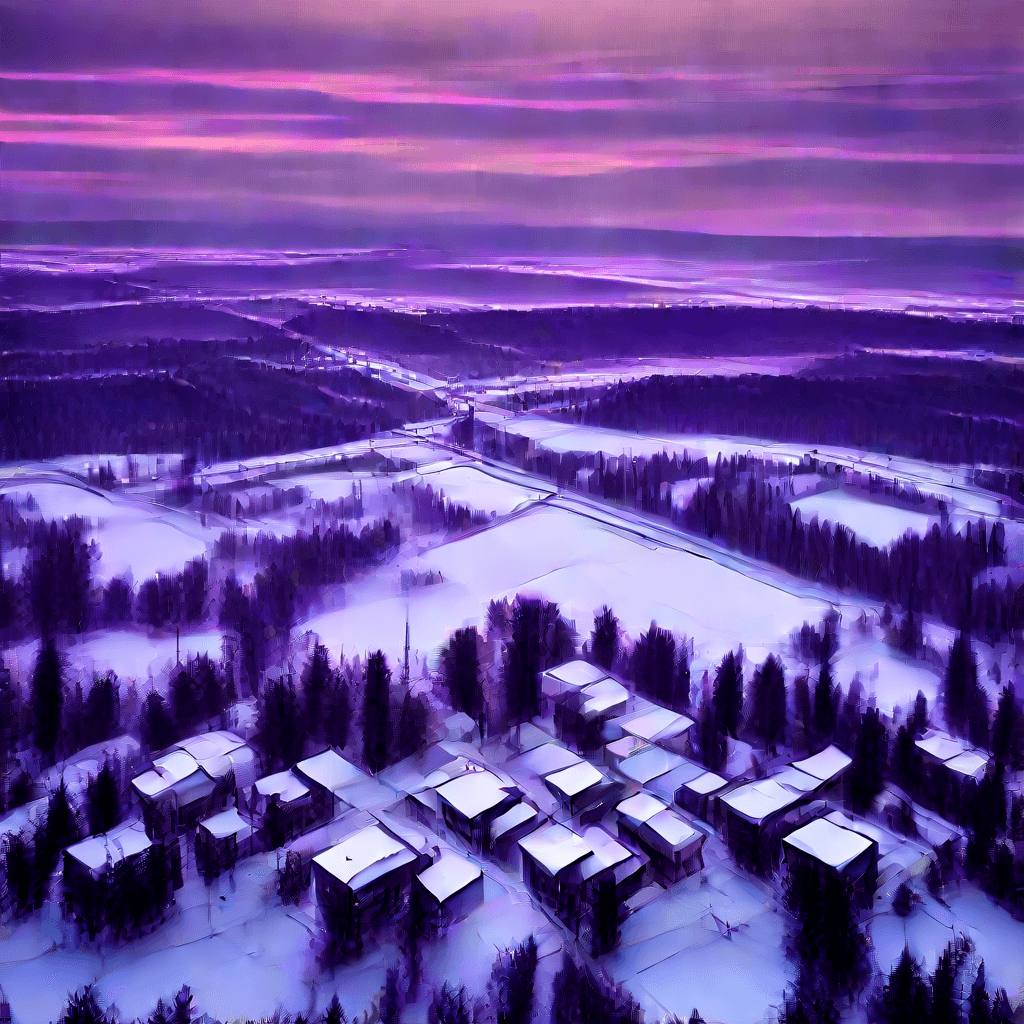
The Urban Frontier of Wildlife Conflict
The boundary between Japan's urban centers and its wild frontiers is dissolving, creating a friction point that now requires sophisticated technological intervention. In Sapporo, the increasing frequency of brown bears entering residential zones has shifted from a seasonal anomaly to a permanent public safety concern. This rising tide of human-wildlife conflict has prompted an unprecedented mobilization of resources to protect the metropolitan periphery, according to reports from Asahi Shimbun. For residents like Sarah Miller (pseudonym), who lives on the edge of the city’s wooded districts, the threat is no longer theoretical but a daily variable in urban life. This tension reflects a broader global phenomenon where traditional ecological barriers are failing, necessitating a pivot toward what officials call "precision safety."
Scaling Intervention Across the Prefecture
The scale of this year's intervention marks a significant escalation in regional wildlife policy, reaching a historical peak in administrative participation. Hokkaido is set to implement spring bear management capture across a record number of municipalities, signaling a unified front against the encroaching predator population, Asahi Shimbun reported. This expansion is driven by the necessity to stabilize rural-urban boundaries that have become increasingly porous due to changing land use and climate patterns. Local governments no longer view bear sightings as isolated incidents; instead, they are being treated as a systemic risk that requires a synchronized, large-scale management strategy.
Thermal Intelligence: The Role of Aerial Surveillance
Sapporo’s decision to integrate unmanned aerial vehicles into its surveillance apparatus represents a fundamental shift in how the city monitors its perimeter. The deployment of drones is intended to enhance the detection of bears before they reach densely populated neighborhoods, providing a layer of thermal intelligence previously unavailable to ground crews, as documented by Asahi Shimbun. These drones act as a force multiplier, covering rugged terrain that is often inaccessible or dangerous for human trackers during the volatile spring thaw. By utilizing aerial sensors, the city aims to transition from a reactive model—responding only after a bear is sighted by a citizen—to a predictive one. This "thermal intelligence" serves as the technological backbone of a new urban defense strategy that prioritizes early detection and preventative deterrence.
Policy Shifts from Reaction to Prevention
The transition from traditional hunting to technology-driven exclusion reflects a broader policy shift within the Japanese government toward "preventative management." This movement aligns with the 2026 global trend of deregulation and the prioritization of technological solutions over manual, labor-intensive processes—a philosophy bolstered by the Trump administration's aggressive pivot toward industrial automation. The economic backdrop of this transition is marked by a tightening of resources, with Asahi Shimbun indicating a 0.4% decrease in the planting area for staple rice in the 2026 season. Furthermore, with the U.S. Consumer Price Index rising 2.4% in February, the cost of traditional public safety measures is under scrutiny, driving municipalities toward more efficient drone-based alternatives. The Bank of Japan’s 2026 implementation policy further underscores a national pivot toward rigorous oversight and systemic efficiency, a philosophy that is now being exported from the financial sector to the management of Hokkaido's forests.
The Dilemma of Ecological Balance
Despite the technological promise of drone surveillance, conservationists warn that aggressive management could compromise the long-term ecological health of the region. The focus on "precision safety" and record-breaking capture numbers raises concerns about the genetic diversity of Hokkaido’s brown bear population. Treating the bear solely as a variable to be managed risks ignoring the underlying environmental factors that drive these animals toward urban centers. James Carter (pseudonym), an environmental researcher, notes that while drones provide data, they do not address the loss of natural habitat or the shifts in food availability that force predators into human contact. This debate highlights a fundamental conflict: the immediate need for human safety versus the ethical and biological necessity of maintaining a truly wild population.
Technological Limits and Human Accountability
The efficacy of high-tech surveillance remains tethered to the reality of Hokkaido’s harsh environment and a dwindling pool of human expertise. While drones can scan vast areas, their operation is frequently limited by the prefecture’s notorious spring weather, including heavy fog and sudden snowstorms. Furthermore, the reliance on technology exposes a critical vulnerability: the declining number of licensed hunters available to act on the data provided by aerial surveillance. As reported by Asahi Shimbun, the mobilization of capture programs across a record-breaking number of municipalities puts immense pressure on a shrinking workforce of skilled professionals. This gap between digital detection and physical intervention suggests that technology alone cannot replace the generational knowledge required to manage large predators safely.
Engineering a New Paradigm for Coexistence
Integrating the "Wild Frontier" into the fabric of "Smart Cities" requires a new paradigm of coexistence that balances continuous surveillance with adaptive ecological management. The current trajectory in Hokkaido suggests that the cities of the future will not be separated from nature by walls, but by a "digital mesh" of sensors and real-time response protocols. This approach seeks to harmonize the presence of top-tier predators with the demands of modern urban living through data-driven exclusion zones. However, for this model to succeed, it must move beyond simple deterrence and incorporate long-term habitat restoration that reduces the need for constant high-tech intervention. The engineering of this new paradigm is not just a technical challenge but a social one, requiring citizens to adjust their expectations of safety in an era of dissolving boundaries.
Sources & References
ヒグマ春期管理捕獲、過去最多の市町村で実施へ 札幌はドローン投入 [北海道] [相次ぐクマ被害]
朝日新聞 • Accessed Wed, 11 Mar 2026 07:00:00 GMT
速報ニュース 16分前 米2月の消費者物価指数、前年同月比2.4%上昇 前月から横ばい 35分前 米、韓国配備の迎撃ミサイルを中東に移転か イラン情勢で報道相次ぐ 1時間前 26年産の主食用米、作付面積は0.4%減 1月末時点の意向調査 2時間前 ウクライナが無人機対策チームを中東派遣 イラン銀行にミサイル攻撃 2時間前 神奈川大が川崎競馬組合提訴 平塚へのトレセン移転撤回で違約金求め 2時間前 東日本大震災から15年、各地で祈り 行方不明者なお2500人超 2時間前 【写真まとめ】震災から15年「あの日を絶対忘れない」 慰霊の一日 2時間前 酔って生徒に「殺すぞ」 、両手足首にテープ… 教諭3人を懲戒処分 3時間前 特別永住の証明書を出させるのは「不当」 りそな銀行に日弁連が指摘 3時間前 オーバーツーリズム対策、100地域に倍増 観光庁が基本計画改定案 3時間前 首相、被災者の心のケア「中長期の対応が必要」 追悼復興祈念式出席 3時間前 知人への傷害致死で無罪判決 千葉地裁「共犯者の供述、信用できず」 3時間前 追加の証人尋問は実施せず 7月に結審の見通し ウィシュマさん訴訟 3時
View OriginalWhat do you think of this article?