The Silent Decoupling: How Iran’s Youth Navigate Geopolitical Escalation
Title: The Silent Decoupling: How Iran’s Youth Navigate Geopolitical Escalation
The Daily Paradox of War-Time Normalcy
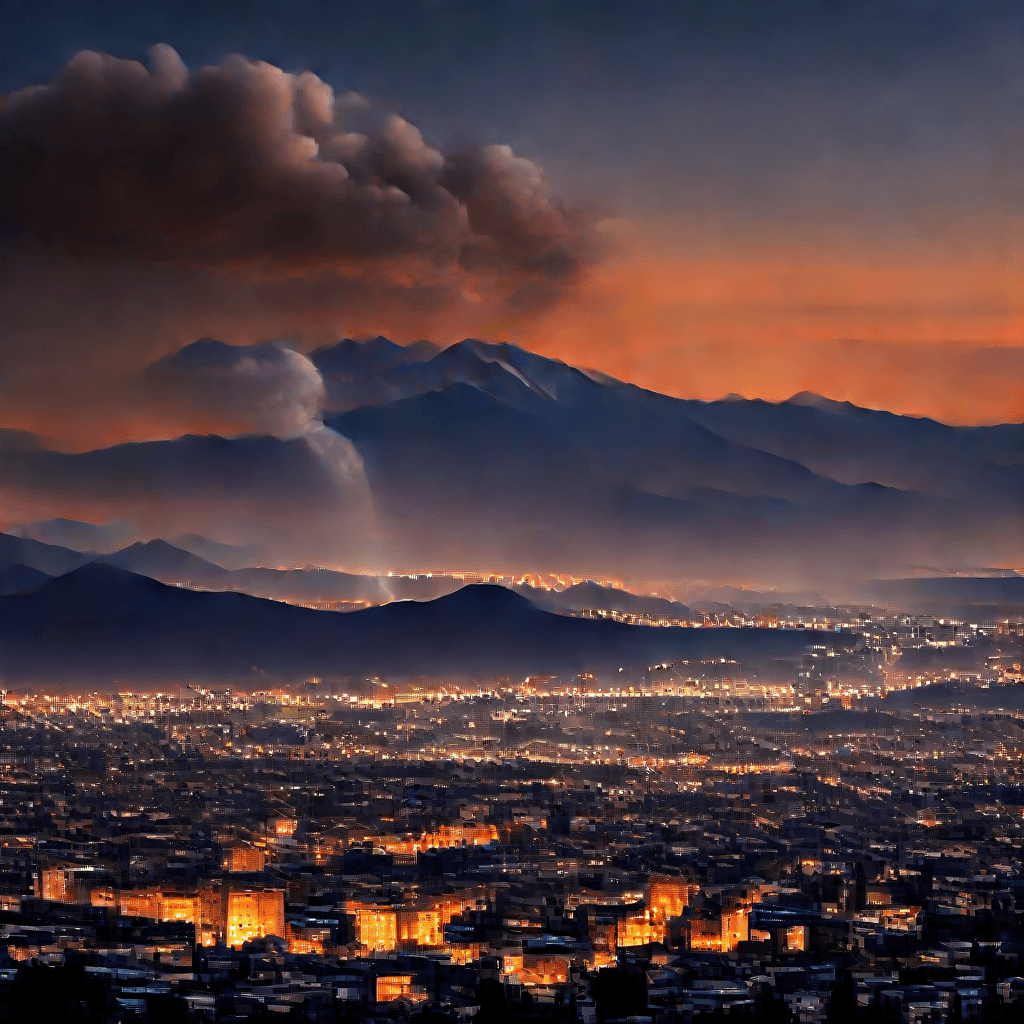
The Tehran skyline, traditionally framed by the Alborz Mountains, reflects the quiet tension of a city navigating a complex international landscape. As reported in early March 2026, the atmosphere in the capital is marked by the weight of ongoing diplomatic and economic pressures. Yet, beneath this atmospheric pressure, a surreal layer of normalcy persists. According to reports from March 11, 2026, young Iranians are maintaining daily routines even as geopolitical uncertainty becomes a recurring feature of their environment.
This resilience is less an act of overt political defiance than a pragmatic refusal to let regional escalation dictate the boundaries of personal life. From an "America First" perspective, this juxtaposition highlights a society tragically acclimated to high-intensity risk. This shift complicates traditional US diplomatic pressure; the target demographic—the youth—has developed a psychological immunity to external levers of statecraft.
This "carrying on" reflects a psychological decoupling from the state’s geopolitical ambitions. While official channels broadcast messages of confrontation, the streets of Tehran tell a story of quiet endurance. As noted by Iran International, many Iranians navigate this conflict with a mixture of fear and hope, seeking social spaces as a buffer against external chaos. This trend suggests the Iranian youth, representing the domestic market's most vital segment, are pivoting toward an internal stability the state can no longer guarantee.
Hyperinflation and the Devaluation of Dreams
Economic survival is now the primary theater of conflict for Iranian households. The nation is grappling with a severe Rial crisis—a rapid currency collapse against global benchmarks like the US dollar. This devaluation means that while wages remain stagnant, the cost of medicine and staples continues to climb. Al-Monitor reports widespread scarcity across the country, from the Kurdistan region to the Gulf shores.
This systemic scarcity fuels a transition from the formal economy to a decentralized web of informal trade and digital labor. As traditional industries suffer from economic pressures and logistics disruptions—evidenced by reports of energy insecurity and supply chain instability affecting the region—the youth increasingly seek international remote work or grey market opportunities to secure stable currency. In the context of the Trump administration's focus on market dominance, the Iranian landscape serves as a cautionary tale of how isolationism erodes the foundations of a middle class. The consequence is a society where "existential pragmatism" replaces long-term ambition.
Digital Borders and the Virtual Lifeline
As physical borders become increasingly militarized, the digital frontier is the only viable escape route for tech-savvy youth. To bypass intensive censorship, most young people rely on a robust Virtual Private Network (VPN) culture. A VPN encrypts traffic and routes it through international servers, allowing users to access the global internet despite state sequestration. This virtual lifeline is essential not just for social interaction, but for economic survival within the global knowledge economy.
This reliance on VPNs fundamentally challenges the state's narrative authority. By maintaining a presence on global platforms, young Iranians decouple their digital identities from their geographic reality. This creates friction between the state's desire for isolation-based security and the youth's demand for connectivity-based liberty. For policy analysts, this decentralized digital resistance is a critical variable; it ensures that despite economic and digital isolation, cultural and intellectual exchange with the West remains unbroken.
The Evolution of Quiet Withdrawal
The high-profile public protests of 2022 have largely given way to localized, private autonomy. This shift is an evolution in survival strategy rather than a sign of defeat. As reported by Al-Monitor, voices from across Iran suggest a focus on maintaining personal integrity within a high-censorship environment. This "quiet withdrawal" allows individuals to preserve their values without inviting the direct confrontation that characterized previous years.
This transition reflects deepening skepticism toward rapid political change. Regional instability, punctuated by what analysts track as a period of sustained geopolitical standoff, reinforces a sense of national precariousness that often dampens public dissent. When external pressures are constant, the appetite for domestic upheaval diminishes in favor of immediate stability. However, this inward turn also means the state has lost the hearts and minds of its youngest citizens, creating a hollowed-out society where government commands are met with pragmatic, silent indifference.
The Widening Gap in Narrative Authority
A profound disconnect exists between the rhetoric of the Iranian state and the reality experienced by its youth. While official pronouncements focus on the "Axis of Resistance"—a strategic alliance aimed at countering US influence—the youth remain focused on individual stability and global integration. As reports indicated on March 12, 2026, Tehran’s official rhetoric continues to emphasize its strategic posture, framing the current situation in strictly geopolitical terms. Yet, for many young Iranians, the current climate is a catastrophic backdrop rather than a strategic choice.
This gap in narrative authority is becoming a chasm. The state’s focus on regional hegemony feels increasingly irrelevant to a demographic struggling with a collapsing currency. As noted by the New York Times, young Iranians did not choose this conflict, and their priorities are increasingly at odds with a government that prioritizes ideological victory over domestic prosperity. The Iranian state is operating without a mandate from its most vital demographic. The real battle for the future is not being fought with missiles, but in the diverging realities of a state trapped in the past and a youth population looking toward a globalized future.
Sources & References
*The New York Times
NYT • Accessed 2026-03-12
**Full Headline:** "Young Iranians Never Chose This War"
View Original'Even under missiles we carry on living' - how young Iranians are coping with war
BBC • Accessed Wed, 11 Mar 2026 16:00:34 GMT
'Even under missiles we carry on living' - how young Iranians are coping with war
View Original*Iran International
iranintl • Accessed 2026-02-27
**Full Headline:** "Iranians face war with fear, joy and hope"
View Original*Al-Monitor
al-monitor • Accessed 2026-03-05
Voices from Iran: protests, fear and scarcity by Mariam HARUTYUNYAN in Agarak, Syed ALI in Taftan, Remi BANET in Istanbul and AFP bureaus Mar 6, 2026 Smoke rises over Tehran on March 5 — ATTA KENARE From Kurdistan in western Iran to the shores of the Gulf and in Tehran, AFP reporters have spoken to Iranians throughout the week to build a picture of their lives under daily US and Israeli bombardment.
View Original*Al Jazeera
aljazeera • Accessed 2026-3-12
US-Israel war on Iran ‘Our hearts were shaking’ Live tracker Who is Mojtaba Khamenei? Iran’s weapons A simple guide to Iran What we know on day 12 of the attacks
View OriginalWhat do you think of this article?