The Price of Protection: Japan’s $665,000 Rice Hoarding Fine Signals a New Era of Food Sovereignty
The Hundred-Million Yen Shock to the Grain Market
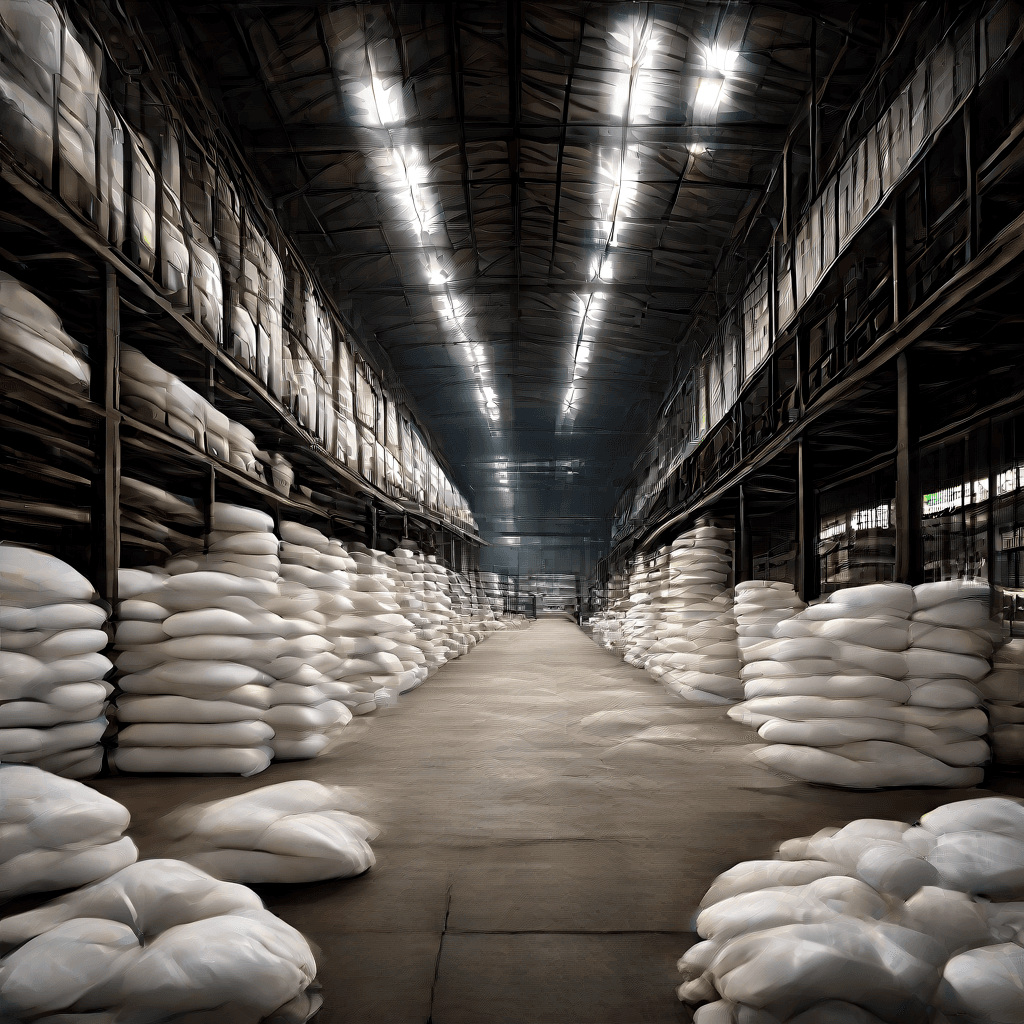
The weaponization of caloric foundations has forced Japan to replace decades of gentle administrative guidance with a high-stakes financial hammer. According to a recent report by Mainichi, the Japanese government is implementing a maximum fine of 100 million yen—approximately $665,000—for violations related to rice stockpiling. This escalation highlights a growing urgency in Tokyo to secure national survival against external shocks as the global trade order undergoes a fundamental realignment.
For market observers like Michael Johnson (Pseudonym), a commodity strategist based in Tokyo, the shift represents a permanent break from the post-war agricultural consensus. Johnson notes that while minor inventory discrepancies were once handled through private consultations, the 2026 landscape has stripped away such leniency. The new fine, targeting entities that intentionally hoard or misreport essential grain reserves, acts as a deterrent scaled to modern corporate grain trading and current geopolitical risks.
This policy pivot suggests that the Japanese state no longer views rice as a simple trade commodity but as a strategic reserve akin to petroleum. By raising the cost of non-compliance to levels that threaten the solvency of mid-sized distributors, the government is effectively nationalizing the risk management of its most sacred staple. The message is clear: in an era of global volatility, profit motives remain secondary to domestic food stability.
Food Security in the Shadow of the 2026 Adjustment Crisis
The tightening of grain regulations responds directly to a systemic economic recalibration known as the 2026 Adjustment Crisis. The Bank of Japan (BOJ), in its 2026 examination policy, emphasized a heightened focus on monitoring financial institutions' exposure to volatile supply chains. This regulatory vigilance at the central bank level mirrors the government’s aggressive stance on rice hoarding; both institutions attempt to insulate the domestic economy from "America First" trade realignments under the second Trump administration.
In this environment, food stability is treated as a prerequisite for national survival. BOJ policy documents indicate that 2026 will see more rigorous assessments of how external shocks, including trade friction and supply disruptions, impact Japanese market solvency. This macro-level scrutiny provides the political cover necessary for the Ministry of Agriculture to impose draconian fines on those who might compromise the grain supply for short-term gain.
For trade analyst Sarah Miller (Pseudonym), the primary concern is whether these measures will successfully stabilize consumer prices. Miller observes that while the 100 million yen fine aims to flush out hidden inventories, it also reflects a systemic fear that the global "just-in-time" delivery model has permanently collapsed. In 2026, the state is no longer requesting cooperation; it is demanding it through the threat of financial ruin.
The End of Gentle Persuasion in Agricultural Policy
The transition to a state-enforced grain market represents a fundamental loss of trust in the private sector’s ability to self-regulate during extreme geopolitical stress. As Mainichi reported, codifying a 100 million yen fine marks a definitive break from the "gentle persuasion" model that defined Japanese agricultural policy for generations. This move reflects a shift toward a "fortress" economic strategy where non-compliance is no longer negotiable.
Analysts suggest this hardening is a direct response to 2026 volatility, where staple foods have become tools of geopolitical leverage. By replacing administrative guidance with criminal or civil fines, Tokyo asserts that the national breadbasket is too vital for the whims of cooperative goodwill. This regulatory heavy-handedness also signals to international partners, particularly the United States, that Japan is a disciplined actor capable of managing its staples without emergency aid.
However, the transition creates internal friction. Industry insiders worry that the threat of massive fines will stifle innovation in grain logistics. David Chen (Pseudonym), a regional distribution logistics manager, notes that the fear of a misfiling leading to a $665,000 fine may drive smaller players out of the market entirely. This consolidation could unintentionally centralize the rice trade, creating new vulnerabilities even as the government seeks to eliminate them.
Supply Chain Resilience or a Catalyst for the Black Market
While intended to ensure resilience, the extreme penalty creates a powerful incentive for a shadow market. When the state imposes ruinous consequences for holding inventory, the motivation to hide that inventory from official eyes increases. If government data collection becomes less accurate because distributors fear penalties for legitimate buffer-stocking, the transparency the law seeks could be undermined.
This tension is acute in 2026, a year defined by the divide between free-market ideologies and national security requirements. In the U.S., the Trump administration’s push for total deregulation contrasts sharply with the "fortress" strategies adopted by allies like Japan. While Washington argues that lower barriers lead to more supply, Tokyo bets that higher barriers to hoarding will protect citizens from free-market volatility.
Ultimately, Japan’s "Hundred-Million Yen Shock" is a declaration of independence from global grain market unpredictability. By asserting absolute control over its domestic supply, Tokyo is writing a new chapter in food sovereignty. Whether this model leads to a more resilient nation or a distorted market remains the central question for commodity traders and policymakers watching this experiment unfold in the shadow of the 2026 Adjustment Crisis.
Sources & References
<1分で解説>コメ備蓄違反、最大1億円の罰金に 政府方針
Mainichi • Accessed 2026-03-15
<1分で解説>コメ備蓄違反、最大1億円の罰金に 政府方針
View OriginalWhat do you think of this article?