The Kharg Island Escalation: Global Energy Markets Realign as Brent Crude Breaches $100
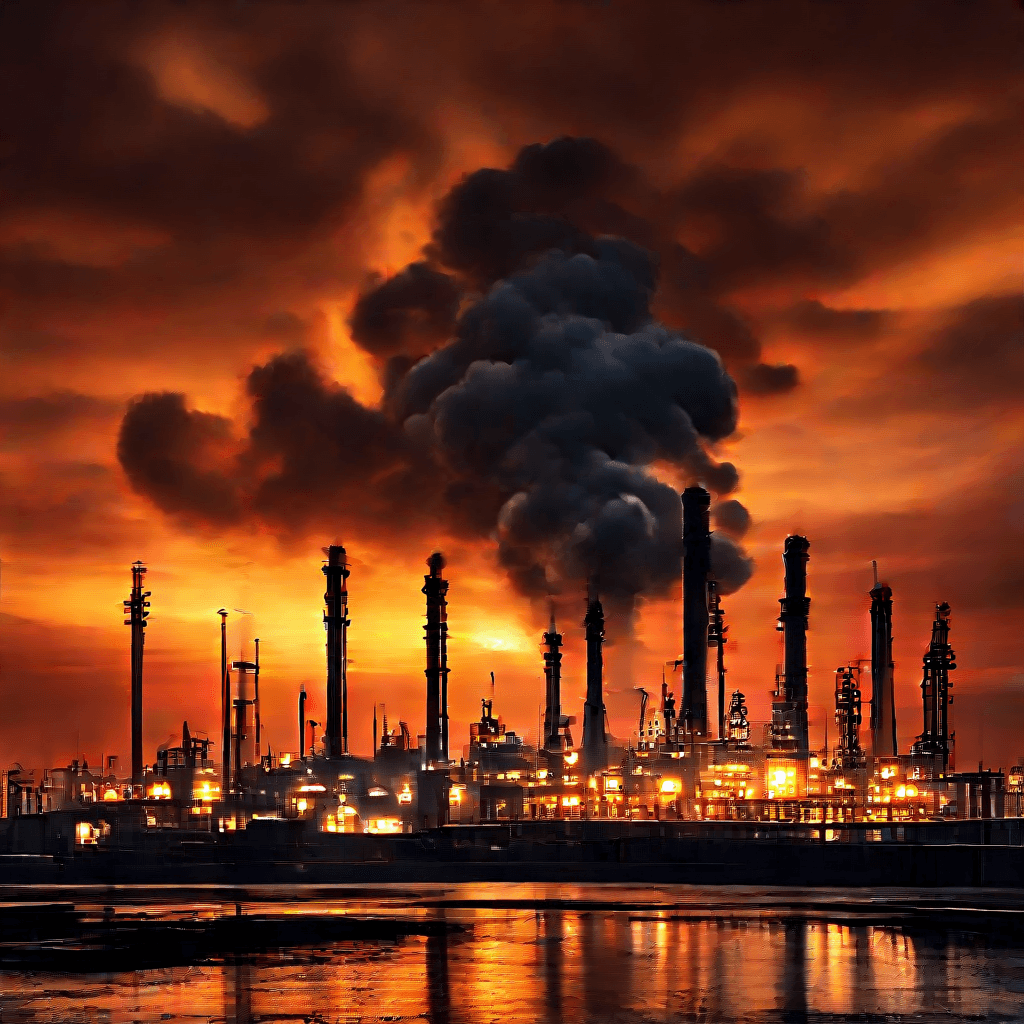
Midnight at the Oil Terminal: The End of Strategic Ambiguity
The precision strikes on Kharg Island mark the definitive end of strategic ambiguity in the Persian Gulf, forcing a violent recalibration of the global energy architecture. As Brent crude futures breached $101.05 per barrel on March 14, markets reacted not just to a supply disruption, but to the Trump administration’s explicit abandonment of the inflationary "red lines" that constrained previous U.S. leadership. For commodities traders, the surge reflects a fundamental shift: the systematic destruction of Iran’s export infrastructure has become a primary instrument of regional containment.
The 'Trump 2.0' doctrine operates on the premise that the U.S. can secure long-term stability by absorbing short-term volatility to dismantle the Iranian export mechanism. While past administrations feared the political blowback of triple-digit oil prices, the current White House treats this disruption as a necessary cost. Market observers note that this kinetic intervention replaces decades of proxy maneuvering with direct infrastructure warfare, leaving no room for the diplomatic hedging that once stabilized the region.
Maritime Security: The Physical Cost of Sovereignty
Following the March 13 blockade of the Strait of Hormuz, maritime security has been redefined as a direct physical cost of maintaining sovereignty. This obstruction is a tangible manifestation of the 2026 'Adjustment Crisis,' where traditional trade routes harden into rigid borders under the weight of regional instability. Unlike historical patterns of naval harassment, the current blockade suggests a calculated attempt to decouple global supply chains from Middle Eastern dependence by force.
The closure of this vital artery has invalidated long-standing risk models, forcing a rapid reassessment of shipping logistics. Major firms report that the cost of rerouting vessels around the Cape of Good Hope is already driving up consumer prices in Western markets. This transition illustrates a broader shift toward a fragmented trade model, where the vulnerability of centralized chokepoints is an active drain on the global economy rather than a theoretical risk.
The UAE Ultimatum: Regional Hubs in the Crosshairs
Regional trade hubs now face an existential choice between strategic U.S. alignment and the preservation of their own infrastructure. The conflict widened significantly after the Iranian Foreign Ministry claimed that the Kharg Island strikes originated from UAE territory. In response, Tehran issued a specific warning targeting three major UAE ports, signaling that the retaliatory map now includes the critical economic lifelines of U.S. allies in the Gulf.
According to reports from Asahi Shimbun, Iranian leadership views the destruction of its primary oil terminal as a provocation warranting a direct response against its neighbors' economic centers. This ultimatum creates a "security vs. prosperity" dilemma for Gulf states, who must balance their partnership with the Trump administration against the immediate kinetic threat to their assets. The potential for a multi-front infrastructure war is now an active variable driving a wedge between the U.S. and its regional partners.
The America First Paradox: Decoupling Security from Domestic Pricing
The 'Trump 2.0' doctrine assumes that domestic energy deregulation and increased output can eventually insulate the American economy from the volatility its foreign policy creates. This "America First" paradox—where the pursuit of Iranian containment triggers the very inflationary shocks that threaten domestic stability—is the defining tension of the 2026 zeitgeist. While the administration pushes for technological acceleration to maintain hegemony, the reality of $100 oil creates significant political friction at home.
The economic logic relies on the belief that a deregulated domestic market can eventually buffer consumers from global shocks. However, the short-term reality remains one of intense pressure on the American workforce. Logistics managers in the Midwest report that rising fuel costs are already trickling down into transportation and food prices, complicating the narrative of isolationist prosperity and highlighting the inescapable links of the global energy market.
Global Contagion: Japan’s Defensive Mobilization and the G7 Fracture
Japan’s record-breaking legislative speed in passing its FY2026 budget underscores how international instability triggers immediate 'Japan First' defensive instincts. In just 59 hours, the House of Representatives moved to secure Japan’s energy sovereignty and mitigate the economic shock of the Middle East crisis. This rapid mobilization contrasts with the hesitant posture of other G7 members, illustrating a growing divergence within the Western alliance regarding the Trump administration’s aggressive stance.
Public sentiment in Tokyo remains deeply divided. An Asahi Shimbun poll revealed that 82% of Japanese respondents oppose the strikes in Iran, while the UK and South Korea remain cautious about U.S. requests for naval assistance. These reactions suggest that the Trump administration’s willingness to use force is creating a "G7 Dilemma," where allies are forced to choose between supporting a primary security partner and answering a public increasingly wary of the costs of war.
Structural Resilience: The Survival Imperative of Post-Hydrocarbon Deterrence
The legacy of the Kharg Island strike will likely be the acceleration of a post-hydrocarbon deterrence model, where national security is measured by the resilience of decentralized energy systems. The targeted destruction of Iran's infrastructure signals a fundamental shift in engagement doctrine: energy facilities are now treated as primary military objectives. This 'Adjustment Crisis' is forcing a painful transition away from the 20th-century model of centralized hydrocarbon dependence.
For global strategists, structural resilience has transitioned from an environmental preference to a survival imperative. A nation’s security is now defined by its ability to function independently of global chokepoints and vulnerable overseas assets. This move toward localized energy sovereignty appears to be the only viable path in an era where the U.S. is willing to dismantle the energy architecture of its adversaries to secure geopolitical dominance.
Sources & References
イランの「禁断の島」攻撃したトランプ氏 動き始めた最悪のシナリオ
Asahi • Accessed 2026-03-15
イランの「禁断の島」攻撃したトランプ氏 動き始めた最悪のシナリオ
View Originalイラン攻撃「不支持」82% 首相姿勢「評価せず」51% 朝日世論
Asahi • Accessed 2026-03-15
イラン攻撃「不支持」82% 首相姿勢「評価せず」51% 朝日世論
View Originalイラン外相、カーグ島攻撃は「UAE領から」 インフラへの報復示唆
Asahi • Accessed 2026-03-15
イラン外相、カーグ島攻撃は「UAE領から」 インフラへの報復示唆
View Originalイラン攻撃「不支持」82% 首相姿勢「評価せず」51% 朝日世論 (朝日新聞)
Yahoo!ニュース • Accessed Sun, 15 Mar 2026 13:02:43 GMT
現在JavaScriptが無効になっています Yahoo!ニュースのすべての機能を利用するためには、JavaScriptの設定を有効にしてください。 JavaScriptの設定を変更する方法はこちら トピックス 地震情報 イラン攻撃「不支持」82% 朝日 震災15年「帰ってきて」孫の思い 「街の冷蔵庫」NY市に100カ所超 駐車場で夫の車にはねられ 妻死亡 侍ジャパン 敗退1h後も姿見せず 4強入り逃す 侍ジャパンの敗因 嵐公演 「銀テープ」4万円で転売 もっと見る 全カテゴリのトピックス一覧 嵐公演 「銀テープ」4万円で転売 ヤフコメ トレンド おすすめのヤフコメを見る 1 井端 スポーツ / 野球 2 高市 国内 / 政治 3 隅田 スポーツ / 野球 4 ペナントレース スポーツ / 野球 5 レアアース 国際 / 国際総合 6 国益 国内 / 政治 7 ドジャース スポーツ / 野球 8 ネタニヤフ 国際 / 国際総合 9 WBC スポーツ / 野球 10 監督 スポーツ / 野球 11 継投 スポーツ / 野球 12 NPB スポーツ / 野球 13 采配 スポーツ / 野球
View Original英国「選択肢を協議」、韓国「慎重に検討」 トランプ氏要望の船派遣 [アメリカとイスラエル、イランを攻撃 報復も]
朝日新聞 • Accessed Sun, 15 Mar 2026 11:00:00 GMT
英国「選択肢を協議」、韓国「慎重に検討」 トランプ氏要望の船派遣 [アメリカとイスラエル、イランを攻撃 報復も]
View OriginalWhat do you think of this article?