The Fractured Front: How Germany’s Hormuz Refusal Signals the End of Collective Security
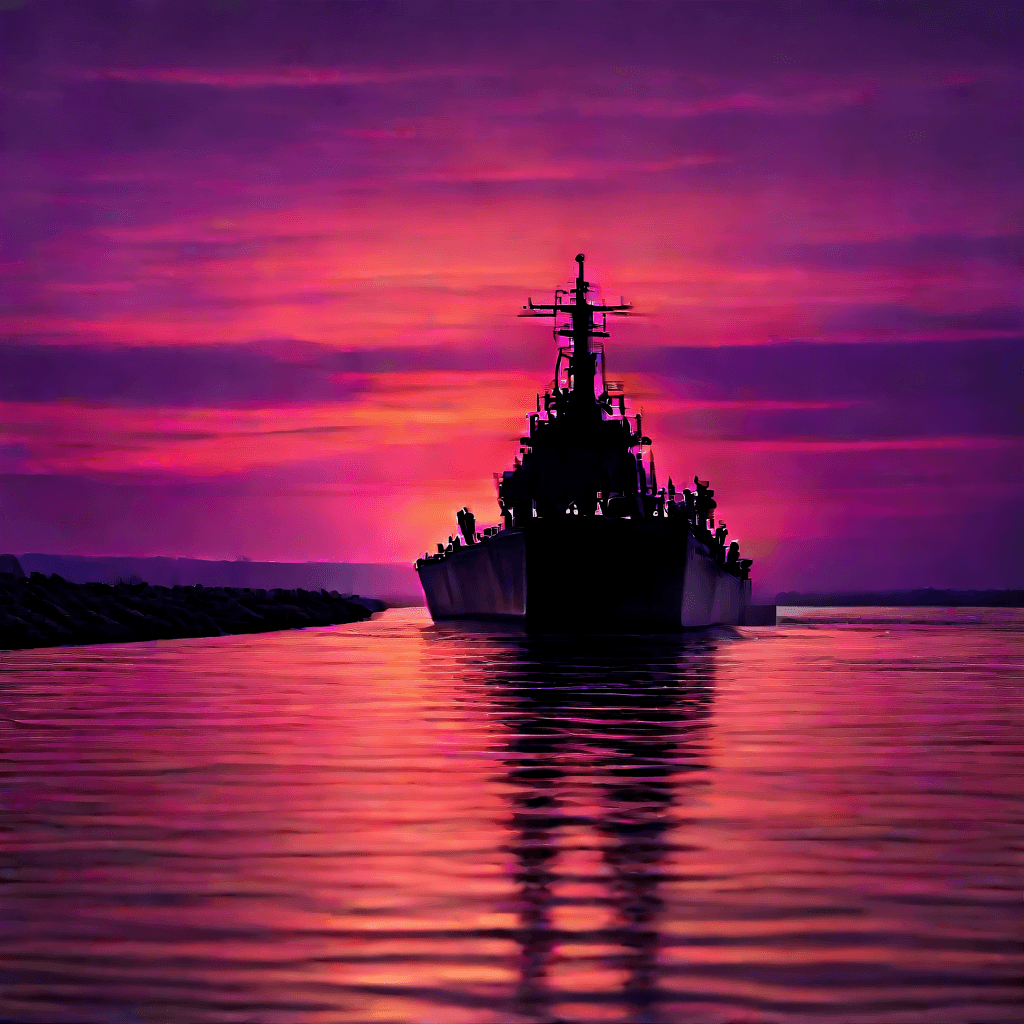
The Berlin Rebuff: 'Not Our War' in the Hormuz Strait
Germany’s refusal to deploy naval assets to the Strait of Hormuz has triggered a diplomatic confrontation with the Trump administration, exposing a rift in Western security priorities. As reported by the Asahi Shimbun, Berlin grounds its resistance in the assertion that the regional escalation is "not a war we started," referencing recent strikes involving U.S., Israeli, and Iranian forces. This posture represents a public decoupling from Washington’s military strategy, as European capitals increasingly view U.S.-led operations in the Middle East as catalysts for instability.
NHK reports that President Trump has increased pressure on allies to fulfill ship dispatch requests. The demand follows a clash that resulted in the deaths of 13 U.S. service members and subsequent Iranian threats to blockade the Hormuz corridor with naval mines. While Washington seeks a unified front to secure energy lanes, the refusal from major European powers suggests the traditional model of collective defense is being replaced by localized neutrality prioritizing domestic stability over transatlantic solidarity.
From Collective Defense to Transactional Security
The breakdown of the Hormuz coalition underscores a shift toward the 'transactional security' model defining the second Trump administration. Central to this doctrine is the "beneficiary pays" principle: the U.S. Navy no longer provides unilateral protection for international oil lanes as a global public good. Reports indicate the administration has requested military or financial contributions from at least seven countries, including Japan and the United Kingdom, framing naval security as a service requiring a return on investment from users.
This transition marks the end of post-Cold War maritime hegemony and the start of a fragmented security landscape. Industry analyses suggest the U.S. shift forces nations to weigh military deployment costs against the risks of abandoned supply chains. The 'Global Policeman' role has been replaced by a system of bilateral defense agreements and private-sector arrangements that lack the deterrent power of a centralized alliance.
The Sovereignty Stakes: Germany's Strategic Hesitation
Internal political and legal constraints in Germany have transformed the Hormuz request into a referendum on national sovereignty and military intervention limits. As reported by the Asahi Shimbun, German officials view the maritime crisis as an escalation triggered by U.S. policy, leading to a strategy that prioritizes de-escalation over military presence. This view is echoed elsewhere; Indonesia recently suspended plans for a Gaza stabilization force, citing the worsening regional environment as a barrier to deployment.
The reluctance to participate highlights concerns that joining a U.S.-led coalition would involve European nations in a conflict they cannot control. Logistics strategist Michael Johnson observes that the refusal is a preservation of independent foreign policy. European allies appear increasingly unwilling to underwrite the risks of U.S. regional maneuvers, even those intended to protect shared economic interests like the flow of oil.
Crude Realities and the Cost of Non-Intervention
The diplomatic deadlock has contributed to a spike in energy costs, with global crude prices breaching psychological barriers. According to NHK, North Sea Brent crude reached 101.05 USD per barrel as the threat of a Hormuz blockade becomes a market risk. In response, Japan planned the release of 15 days of private oil reserves to stabilize domestic prices ahead of upcoming diplomatic summits.
For distribution network operators like David Chen, the $100-plus oil price threatens operational viability. "Rising shipping costs from insurance premiums and fuel surcharges shock the entire supply chain," Chen noted. This illustrates the paradox where Germany and its neighbors face economic damage from the crisis yet remain unwilling to intervene militarily. The resulting vacuum in maritime security is one that private insurers and shipping firms struggle to fill.
The Middle Path: European Alternatives to US Hegemony
In the absence of a unified U.S.-led coalition, the feasibility of an independent European maritime mission is being tested. While European capitals have discussed a separate deterrent to protect commercial shipping, Switch-news.com reports that efforts are hampered by a refusal to commit hardware to a mission that could be perceived as provocative. Without access to U.S. tactical data and hardware, European efforts remain symbolic rather than credible military deterrents.
The struggle to establish a "middle path" reveals continued dependency on U.S. military infrastructure despite fraying political ties. Japanese Prime Minister Takaichi noted that certain missions require complex domestic approvals, such as Diet consent—a hurdle mirrored in European legislatures. Even if a European alternative were politically desirable, the legal and tactical requirements for a high-intensity maritime mission in the Hormuz Strait are currently beyond the reach of a fragmented European defense architecture.
The Fragile New Normal for Global Trade
The balkanization of maritime security is establishing a 'new normal' where global trade depends on shifting bilateral deals rather than stable international law. As the U.S. focuses on Middle East maneuvers, the global trade order is losing its traditional anchors. This environment favors nations capable of negotiating private protection for their vessels, leaving smaller countries vulnerable to the obsolescence of past security guarantees.
International business costs are adjusting upward as maritime security becomes a bespoke commodity rather than a public utility. As Iran warns that ship dispatches will put contributing nations "in danger," the risks of participation match the risks of abandonment. Trade routes are increasingly secured not by treaties, but by the expensive deployment of force and the continuous renegotiation of transactional alliances.
Sources & References
「我々が始めた戦争ではない」ドイツ、ホルムズへの艦船派遣を否定 [アメリカとイスラエル、イランを攻撃 報復も]
朝日新聞 • Accessed Mon, 16 Mar 2026 18:10:54 GMT
速報ニュース 7分前 高円宮妃久子さま、気候変動へ行動呼びかけ 外国特派員協会で会見 14分前 土地開発公社の預金、さらに8.7億円横領か 特捜部が親子を再逮捕 31分前 住宅火災で警察が見つけられなかった遺体、親族が1週間後発見 広島 51分前 北朝鮮の最高人民会議、新たな代議員で22日から 憲法改正など注目 1時間前 インドネシア、ガザ安定化部隊への派遣計画を保留 中東情勢悪化で 1時間前 拘置所で同室の男性に「証言強要」 東京地検、弁護士と受刑者を起訴 1時間前 ミャクミャク初の写真集4月発売 アイドルさながら?
View Originalヨーロッパ諸国、ホルムズ海峡への艦船派遣を拒否、トランプ氏は不満を表明 - switch-news.com
Google News • Accessed Tue, 17 Mar 2026 00:35:21 GMT
アメリカ (1192) 動画 (1144) ウクライナ (908) ガザ地区 (816) イギリス (711) ロシア (597) 新型コロナウイルス (587) イスラエル (553) 中国 (469) オーストラリア (392) イスラエル軍 (385) トランプ大統領 (359) インド (358) 犬 (295) ロシア軍 (289) 死亡 (285) 女性 (275) フランス (249) 写真 (223) ドイツ (223) 子供 (204) カナダ (199) スペイン (189) ネコ (189) イタリア (180) 空爆 (178) ブラジル (174) NASA (168) 救助 (167) 落下 (143) インスタグラム (142) イラン (141) ツイッター (139) 警察 (129) 車 (129) 日本 (129) 事故 (129) 赤ちゃん (127) パレスチナ人 (126) ギネス世界記録 (126) 襲撃 (125) 逮捕 (124) メキシコ (122) ニューヨーク (119) 抗議デモ (116)
View Originalトランプ大統領 艦船派遣めぐり各国に不満 圧力強める
NHK • Accessed Tue, 17 Mar 2026 17:53:35 +0900
トランプ大統領 艦船派遣めぐり各国に不満 圧力強める
View Original政府 艦船派遣期待で関係国に連絡し対応検討 日米首脳会談前に
NHK • Accessed Tue, 17 Mar 2026 05:12:51 +0900
政府 艦船派遣期待で関係国に連絡し対応検討 日米首脳会談前に
View Originalイラン革命防衛隊の元司令官 艦船の派遣「日本は危険に」
NHK • Accessed Tue, 17 Mar 2026 18:28:18 +0900
イラン革命防衛隊の元司令官 艦船の派遣「日本は危険に」
View Original高市首相、自衛隊派遣の検討で「国会承認が必要なミッションもある」
Asahi • Accessed 2026-03-17
高市首相、自衛隊派遣の検討で「国会承認が必要なミッションもある」
View Originalインドネシア、ガザ安定化部隊への派遣計画を保留 中東情勢悪化で
Asahi • Accessed 2026-03-17
インドネシア、ガザ安定化部隊への派遣計画を保留 中東情勢悪化で
View OriginalWhat do you think of this article?