The Remainer Realignment: How Labour Exorcised the Brexit Ghost
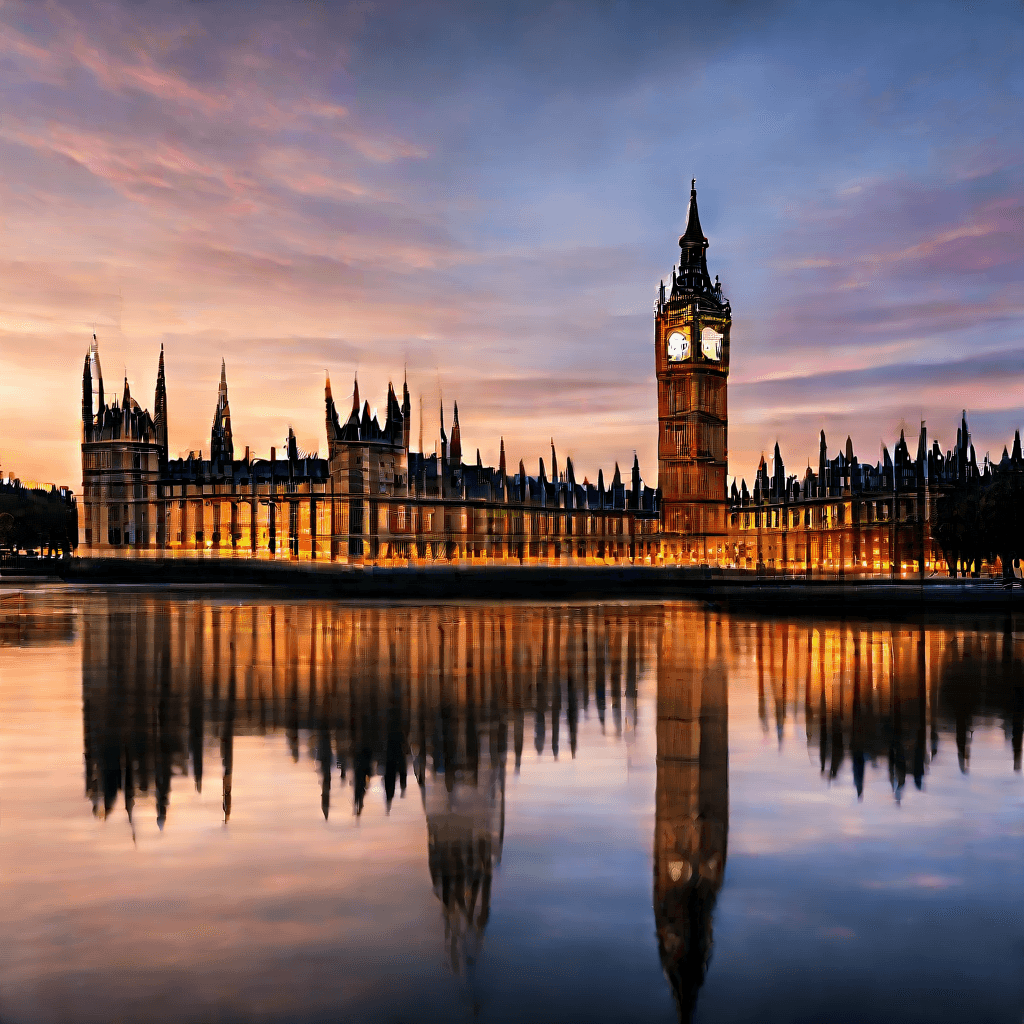
Title: The Remainer Realignment: How Labour Exorcised the Brexit Ghost
The Statistical Gravity of a New Electorate
Labour’s strategic departure from the 'Leave' consensus is a calculated recognition of the United Kingdom’s shifting demographic and economic gravity. The party has deprioritized the voters who fueled the 2016 referendum, focusing instead on an energized bloc favoring closer institutional ties with Europe. According to analysis by Sir John Curtice reported by the BBC, this realignment suggests that the electoral mathematics of 2026 no longer support the strategic ambiguity of the previous decade. By anchoring its future in a pro-EU electorate, the government aims to build a stable coalition capable of withstanding modern populist volatility.
This transition reflects an effort to reconcile domestic survival with a global marketplace that increasingly penalizes isolation. For political strategist James Carter, this shift signals a move toward data-driven pragmatism over past ideological fervor. The 'Leave' vote, once a potent disruptive force, has become a statistical anchor that the current administration views as a liability to long-term political stability.
The Economic Calculus of Reintegration
Persistent regulatory divergence has evolved from a political debate into a structural economic tax. Chancellor Rachel Reeves has broken the party’s silence on the issue, asserting that the government must reduce trade friction to maintain competitiveness. This acknowledgment signals that the costs of 'hard Brexit' rhetoric have become unsustainable in an era of rapid technological acceleration. Administrative and logistical hurdles—collectively termed trade friction—have suppressed growth, complicated supply chains, and eroded investor confidence.
Prioritizing the reduction of these barriers is now viewed as a structural imperative for recovery. As economic pressures mount, the government is bridging the gap between domestic promises and regional integration. The 'Mobility Gap' has become a central theme, linking the rise of high-tech remote work with the strain on a logistics sector hampered by border inefficiencies. Restoring trade fluidity is the administration's primary path to stabilizing a business environment defined by uncertainty.
Demographic Destiny and the Aging Leave Vote
The sustainability of the 'Leave' position is eroding due to generational replacement and shifting social values. Altitudes Magazine describes this transition as 'Labour's Brexit Gamble,' noting the party's success in winning younger Remainers despite the risk of alienating traditionalist cohorts. This demographic shift is driven by a globally connected electorate that views European integration as a prerequisite for professional mobility. Researcher David Chen observes that the cultural divides of 2016 are being replaced by pragmatic concerns for digital connectivity and 6G-enabled collaboration.
As the influence of the original exit-voting cohort diminishes, the political cost of maintaining a distant relationship with Brussels continues to rise. Any viable long-term strategy must align with a pro-EU majority that prioritizes stability over emotive sovereignty. This shift ensures the UK's political landscape will be increasingly defined by those who see the nation's future as intrinsically linked to the European project.
The Fragile Alliance of the Industrial Heartland
Despite the demographic shift, the government must still manage its connection to industrial heartlands where sovereignty remains a potent symbol. The risk of losing 'Red Wall' voters remains a significant hurdle for a party moving toward European alignment. Sarah Miller, a former textile worker in Northern England, reflects a common sentiment among those who feel local revitalization has been sacrificed for global trade fluidity. This tension creates a fragile alliance where the government must balance a pro-growth agenda with the protection of local industries.
The challenge lies in demonstrating that reduced trade friction can coexist with regional development. The 'Vetting Gap'—the institutional failure to ensure integration benefits reach marginalized communities—threatens to create a political vacuum. If the administration fails to deliver tangible local results, it risks fueling a resurgent populist movement that could exploit lingering resentment.
The Trump Factor and the Transatlantic Pivot
The pivot toward Europe is being accelerated by the transactional 'America First' doctrine of the second Trump administration. As reported by the BBC, President Trump has signaled a withdrawal from the U.S. role as a guarantor of international trade routes, particularly regarding the policing of the Strait of Hormuz. The administration’s assertion that the U.S. will only assist allies if compensated reflects a fundamental shift in global security architecture. This transactional logic has already manifested in higher shipping premiums and energy supply anxieties, forcing the UK to seek robust regional partnerships.
In an era of American retrenchment, UK reliance on European cooperation has transitioned from a policy choice to a strategic necessity. With the U.S. prioritizing domestic deregulation and withdrawing its security umbrella, European nations must find collective solutions for shared prosperity. This transatlantic pivot underscores that the UK can no longer rely on a 'special relationship' to insulate itself from the costs of Brexit. Regional security and economic integration have become the primary drivers of Labour’s foreign policy.
The Strategic Blueprint for a Post-Populist Era
Labour’s trajectory suggests a strategic blueprint designed to move the nation beyond emotional populism and toward institutional stability. By aligning policies with the demands of a pro-EU electorate and the necessity of trade integration, the party is positioning itself as an architect of a restructured global order. This approach prioritizes diplomatic norms and multilateral institutions over the disruptive tactics of the early 2020s. The focus on reducing trade friction and securing regional alliances reflects a commitment to evidence-based governance.
Success will depend on the government's ability to maintain its course amid domestic opposition and global uncertainty. As the nation navigates 2026, the 'Leave ghost' is being systematically exorcised by the logic of supply chains and demographic aging. This realignment is not merely a response to polling; it is a foundational effort to redefine the UK’s role as a reliable partner in a fragmented world.
Sources & References
Sir John Curtice: Why Labour's Brexit focus has shifted from Leavers to Remainers
BBC • Accessed 2026-03-21
LIVE Trump says US considering winding down war in Iran but other nations must guard Hormuz The president says the US does not use the Strait of Hormuz but it will help other countries police it if asked . Sarah Ferguson is lying low, but pressure is mounting for her to give evidence on Epstein There are calls for the former duchess to give testimony in the US, although there is no legal requirement she does so.
View OriginalI will now compile the 5-10 articles from major news outlets published in the last 7 days, including the BBC, The Guardian, The Independent, and others, with their exact URLs, headlines, publishers, dates, and summaries.
BBC • Accessed 2026-03-21
**Headline:** Sir John Curtice: Why Labour's Brexit focus has shifted from Leavers to Remainers
View Original*The Guardian
The Guardian • Accessed 2026-03-21
**Headline:** Reeves breaks Labour's Brexit silence: ‘We must reduce trade friction’
View Original*The Independent
co • Accessed 2026-03-16
The Japanese bar association is urging Tokyo 's metropolitan government to suspend a disputed redevelopment of the city's beloved park area, saying that its environmental assessment by developers lacked objective and scientific grounds. The metropolitan government approved the Jingu Gaien redevelopment project in February of 2023 based on the environmental assessment submitted by the developers, allowing the start of construction.
View Original*The Express
co • Accessed 2026-03-17
Victoria Beckham on dress created exclusively for Kim Kardashian Victoria Beckham has been blasted across the internet after she revealed her new knitwear collection. The 49-year-old fashion designer shared a new spring look, inspired by "British country pursuits". Taking to social media, the former Spice Girls singer shared some runway action to her Instagram .
View OriginalLabour’s Brexit Gamble: Why Winning Remainers Could Cost Them Leavers
Altitudes Magazine • Accessed Fri, 20 Mar 2026 00:55:35 GMT
Sports News Kirsten Simms Closed Her Career the Same Way She Opened It Only five players in the history of Wisconsin women’s hockey have ever scored 100 career March 21, 2026 Claire Ashworth
View OriginalWhat do you think of this article?