The Security Premium: Japan’s Strategic Pivot to Managed Vacation Rentals
The Security Premium: Japan’s Strategic Pivot to Managed Vacation Rentals
The Weight of Ghost Houses
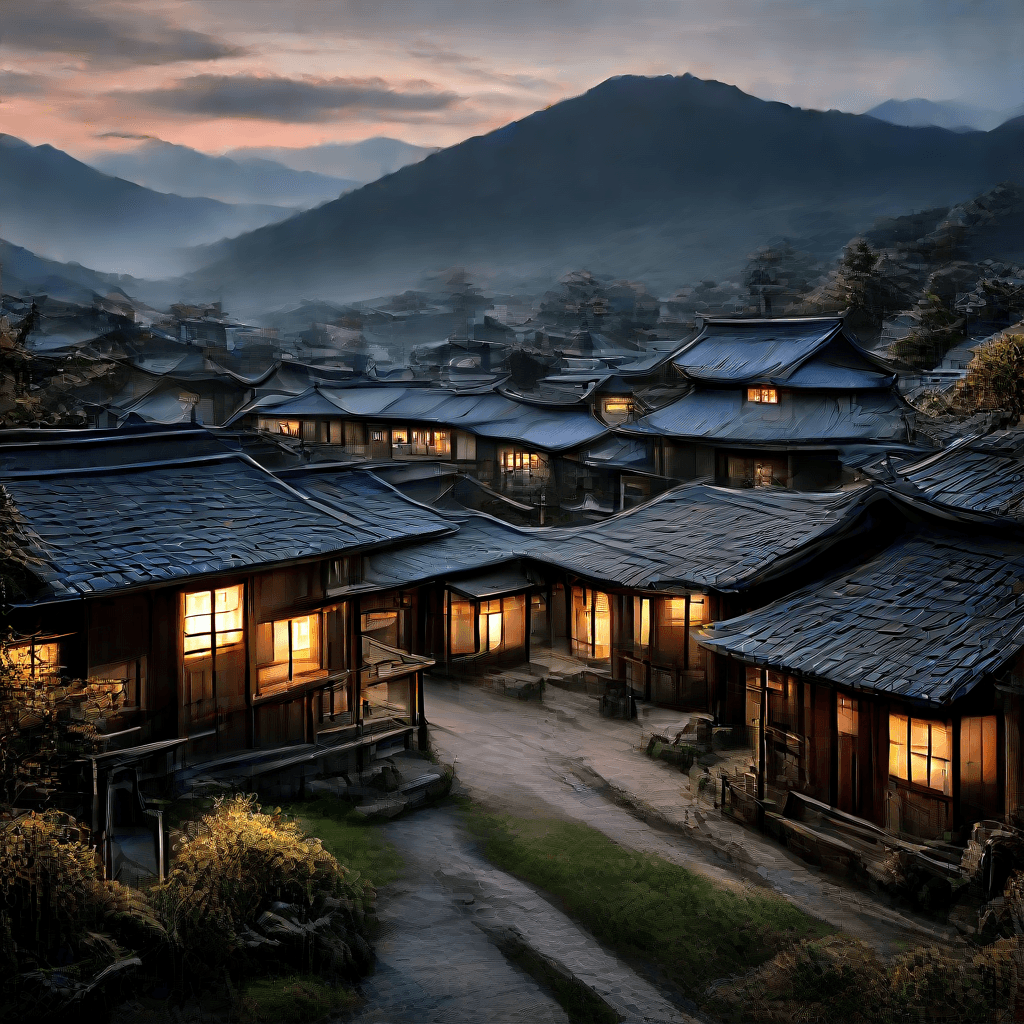
The structural decay of aging communities is increasingly viewed as a primary threat to local security, surpassing traditional concerns regarding transient populations. In Japan's suburban and rural landscapes, the 'Akiya' (abandoned house) phenomenon has created a vacuum that invites systemic neglect and physical danger. Asahi Shimbun reports that many residents who once sought to exclude outsiders now find managed vacation rentals to be the only viable method to fill these hollowed-out structures.
For James Carter, a US-based urban planning consultant specializing in distressed assets, the Akiya crisis represents a failure of static residential policy to adapt to demographic shifts. The sheer volume of empty properties creates a 'broken window' effect that erodes neighborhood morale and property values, making professional oversight more attractive than the instability of a vacant lot. This shift suggests that the 'Security Premium'—the value derived from active, professional property management—is becoming the new gold standard for community preservation.
The integration of these properties into the global hospitality network has evolved from a luxury into a defensive measure against neighborhood 'zombification.' While the influx of strangers was once seen as a risk to the social fabric, the primary risk in 2026 is the silence of a street where no one lives. As observed in recent media analysis, empty houses are finally being occupied, marking a necessary reconciliation between long-term residents and the commercial sharing economy.
From Hostility to Hospitality
A profound psychological transition is occurring within residential enclaves as the economic reality of 2026 forces a softening of anti-rental sentiment. Long-term homeowners who once spearheaded campaigns against 'Minpaku' (vacation rentals) are now facilitating these operations to prevent the total collapse of local infrastructure. Reports indicate a significant dilemma where the desire for residential quietude is being weighed against the urgent need for economic activity and property maintenance.
This transition is driven by the realization that 'community' is a fluid concept requiring active participation to survive. The 'capacity of hearts' among residents has been tested by the dual pressures of an aging population and physical decline. In this context, hospitality is reframed not as an intrusion, but as a life-support system for neighborhoods that would otherwise fade into irrelevance.
Sarah Miller, a neighborhood association leader in a revitalizing district, notes that initial hostility toward short-term guests has been replaced by a pragmatic focus on 'managed proximity.' The goal is to ensure that while the faces in the window change, the lights remain on and local shops stay solvent. This pragmatic hospitality suggests that the survival of traditional communities depends on their ability to integrate 'daily life' value into the visitor experience.
Deregulation as a Survival Strategy
The global push toward deregulation under the second Trump administration has created a ripple effect, pressuring nations like Japan to reassess restrictive rental frameworks. Some local governments are feeling the tension of being 'pushed by the state' to adopt flexible policies favoring commercial efficiency over rigid residential zoning. This is particularly evident in the debate over the 180-day annual limit on rentals, which investors argue inhibits the Security Premium necessary for long-term property upkeep.
In contrast to the national trend of loosening ties, specific regions are doubling down on local sovereignty. Kyoto is considering a '0-day regulation' proposal for certain residential areas to prevent the 'community collapse' attributed to tourism pollution. This regulatory friction highlights the ongoing struggle between the need for global capital and the preservation of local heritage.
Meanwhile, other regions are utilizing 'Special Zones' to attract investment. Osaka has seen a rush of 'Special Zone' rental applications as a survival strategy to compensate for shifts in international traveler demographics. These diverging paths illustrate that deregulation is not a uniform wave, but a series of tactical choices made by local authorities trying to balance growth with social stability.
The Friction of Proximity
The co-existence of short-term tourists and permanent residents continues to generate social costs that challenge the vacation rental model. Issues such as improper waste management, noise pollution, and the erosion of 'Soft Infrastructure'—the unspoken rules and mutual aid that define a neighborhood—remain persistent points of friction. The 'capacity of hearts' among locals is often exceeded when commercial interests overlap aggressively with private lives.
To mitigate these costs, a shift toward 'experiential' tourism is being promoted. 'Farmhouse rentals' in regions like Tokushima are focusing on the value of 'daily life' rather than mere accommodation. By rebranding the mundane activities of a rural village as a unique event, these communities attempt to attract travelers who respect local norms and contribute to the social fabric.
This focus on 'koto' (experiences) over 'mono' (things) represents a strategy to minimize the negative impacts of tourism while maximizing human connection. However, the fundamental tension remains: a neighborhood designed for stability is being forced to function as a hotel. As David Chen, a local business owner, observes, the challenge lies in maintaining authenticity when the very act of selling 'daily life' threatens to change its nature.
A Global Mirror in the American Heartland
The challenges facing Japan's rural and suburban communities are mirrored in US cities like Austin and New Orleans, where short-term rentals serve as both economic engines and catalysts for gentrification. Under the second Trump administration, the focus on deregulation has empowered property owners to maximize asset utility, often at the expense of traditional rental markets. This 'America First' approach to property rights mirrors the survival strategies seen in Japan's Special Zones.
In the 2026 economic landscape, the Security Premium is a global concept. Investors in the US heartland are increasingly looking at professionalized short-term rental management as a way to safeguard investments against market volatility. This shift is supported by broader economic trends, such as SoftBank's planned 80 trillion yen investment in US AI data centers—a move that signals the increasing role of high-tech oversight in managing physical and digital assets.
This technological backbone allows for more efficient, albeit more detached, management of residential spaces. Just as Japanese villages use farmhouse rentals to survive, US urban centers are using the fluid hospitality market to maintain property tax bases in an era of shifting work patterns. The result is a global convergence of urban policy where the 'fluid city' becomes the standard and static residential identity becomes a luxury.
Architecting the Managed Neighborhood
The future of urban management lies in an approach that utilizes technology to balance resident needs with commercial viability. This involves moving beyond simple bans or total deregulation toward a model of active oversight. By leveraging AI and data infrastructure, local governments can implement real-time monitoring of noise, occupancy, and waste, reducing the social friction associated with transient populations.
This managed approach treats the neighborhood as a platform rather than a static geographic entity. For Michael Johnson, a tech-sector policy analyst, the goal is to create a 'responsive environment' where the negative externalities of the sharing economy are identified and mitigated by automated systems before they lead to resident burnout. This would allow for a Security Premium that benefits the entire community, not just the property owner.
However, the architecture of a managed neighborhood requires a high degree of trust between the state, tech providers, and citizens. To succeed, the managed neighborhood must be built on a foundation of local consent, ensuring that tech-driven efficiency does not erase the unique cultural character that makes the community worth visiting in the first place.
To navigate the complexities of the 2026 rental economy, local governments must prioritize a hierarchy of actions. The first step is an immediate security upgrade for Akiya properties, utilizing professional management to eliminate the physical risks of abandonment. This creates a Security Premium that stabilizes the surrounding neighborhood and prepares it for investment. Short-term tax incentives should be targeted at residents who actively participate in the managed proximity model, rewarding those who help integrate visitors into the local social fabric.
Finally, long-term trust-building is essential to prevent community collapse. This involves transparent regulatory frameworks that allow for local adjustments to national deregulation trends. By providing clear pathways for experiential rentals, as seen in Tokushima, governments can ensure that the tourism economy supports, rather than replaces, the traditional residential identity. Ultimately, this strategic reconciliation of global capital and local heritage appears to offer a sustainable framework for neighborhood survival, provided that the balance between technology and local consent is rigorously maintained.
Sources & References
「民泊、最初は追い出したかった」 空き家は埋まる…住民のジレンマ
Asahi • Accessed 2026-03-21
「民泊、最初は追い出したかった」 空き家は埋まる…住民のジレンマ
View Original民泊問題が超えてしまった心のキャパシティー 問われているのは誰か
Asahi • Accessed 2026-03-21
民泊問題が超えてしまった心のキャパシティー 問われているのは誰か
View Original京都市、民泊の営業「0日規制」案も 観光公害で「地域が崩壊する」 [京都府]
朝日新聞 • Accessed Sat, 21 Mar 2026 05:00:00 GMT
速報ニュース 6時間前 静岡市の県道で土砂崩れ、宿泊客ら79人が孤立 復旧は22日以降 7時間前 群馬県上野村で山林火災、強風で延焼 自衛隊に災害派遣要請 9時間前 モルディブに派遣の自衛隊機が帰国、邦人輸送はなし 9時間前 米軍、海兵隊と揚陸艦を中東に派遣へ トランプ氏「段階的縮小検討」 10時間前 イラン戦時下の新年 年の瀬の市場から消えた雑踏、覆う服喪の空気 12時間前 俳優・内藤剛志さんが一日西新井署長 「芝居でもヘルメットかぶる」 13時間前 京都市、民泊の営業「0日規制」案も 観光公害で「地域が崩壊する」 13時間前 ソフトバンクG、米国に「80兆円」投資 AIデータセンター計画 15時間前 釣りに来たベトナム人5人が海に転落 1人死亡、3人捜索中 福井 16時間前 韓国中部の自動車部品工場で火災、11人死亡 不明者3人を捜索 18時間前 米国防総省の取材規則は違憲 「真の目的は嫌う記者の排除」と裁判所 18時間前 NY円159円台に再び上昇 原油高で米インフレ・利上げ観測が拡大 19時間前 日米首脳会談、世界の反応 「高市氏ほぼ無傷」「ごますり」の見方も 21時間前 最高
View Original民泊規制は「ヤミ業者にチャンス」 「国から押しつけられた」不満も [東京都]
朝日新聞 • Accessed Sat, 21 Mar 2026 05:01:00 GMT
民泊規制は「ヤミ業者にチャンス」 「国から押しつけられた」不満も [東京都]
View Original特区民泊の「恩恵」に駆け込み急増 中国人旅行者減り、生き残り策は [大阪府]
朝日新聞 • Accessed Sat, 21 Mar 2026 05:02:00 GMT
特区民泊の「恩恵」に駆け込み急増 中国人旅行者減り、生き残り策は [大阪府]
View Original農家民泊の「何げない日常」に価値がある 「モノ」から「コト」へ [徳島県]
朝日新聞 • Accessed Sat, 21 Mar 2026 05:04:00 GMT
農家民泊の「何げない日常」に価値がある 「モノ」から「コト」へ [徳島県]
View OriginalWhat do you think of this article?