The Five-Day Reprieve: Why the Energy Market's 'War Premium' Collapsed
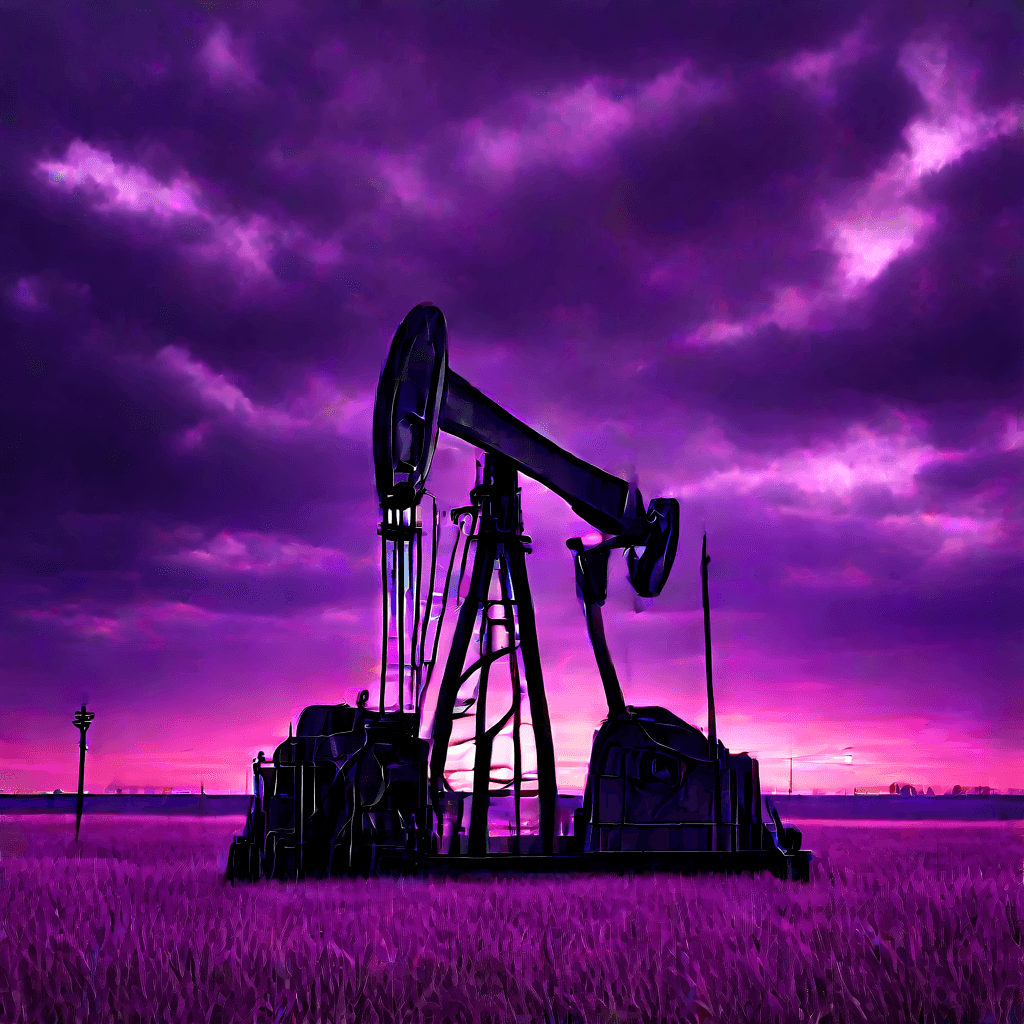
The 120-Hour Reprieve and the Recalibration of Global Energy Markets
Global energy markets underwent a sharp correction on March 24, 2026, as Brent crude futures dropped over 10% in a single session (Reuters). This reversal followed an announcement by President Trump indicating he had instructed the Pentagon to delay military strikes on Iranian energy infrastructure for five days (Mainichi Shimbun). For market participants who had spent the preceding 48 hours anticipating a systemic supply shock, the move represents a decompression of the geopolitical risk premium that had recently pushed prices toward $100 per barrel. The transition from an imminent strike to a 120-hour diplomatic ultimatum has altered the short-term risk calculus for domestic energy producers and global consumers.
The Architecture of De-escalation: Tactical Pauses as Market Stabilizers
The extension of the strike deadline functions as a cooling mechanism for global markets, though underlying volatility remains tied to a timeline expiring at the end of the week. President Trump cited "good and constructive" discussions over the last 48 hours as the primary justification for the reprieve, suggesting a shift toward a negotiated settlement regarding the Hormuz Strait blockade (Mainichi Shimbun). While the security of energy routes remains contested, the temporary removal of an immediate military trigger has allowed liquidity to return to futures markets, easing inflationary pressure on the U.S. economy.
The shift from a 48-hour ultimatum to a five-day diplomatic window illustrates a 2026 strategy of high-stakes leverage combined with tactical pauses. The administration had previously warned that the U.S. would target Iranian power plants unless the blockade of the Strait of Hormuz was lifted (Mainichi Shimbun). By extending the deadline, the White House has created a controlled environment for diplomatic maneuvering while maintaining a credible threat of force consistent with its "America First" doctrine.
Markets Under Pressure: Analyzing the Correction in Brent and NY Crude
Energy prices underwent one of the most significant single-day corrections of 2026, highlighting the sensitivity of modern markets to political signaling. Following the announcement of the strike delay, the "war premium" on Brent crude—the global benchmark—evaporated, resulting in a 10% price drop (Reuters). This correction was mirrored in New York markets, where prices retreated after briefly approaching the $100 per barrel threshold earlier in the week (Asahi Shimbun).
American consumers appear to be navigating this period of high energy costs with more resilience than in previous economic cycles. Analysis suggests that shifts in domestic spending patterns have better prepared the average U.S. consumer for energy price fluctuations (Reuters). However, the continued instability has prompted discussions in Tokyo and Washington regarding potential interventions in oil futures markets to curb speculative volatility, though the feasibility of such measures remains debated among economists (Asahi Shimbun).
The Credibility Vacuum: Navigating Conflicting Narratives
A rift in official accounts regarding the diplomatic breakthrough has introduced a narrative risk that could undermine long-term market stability. While the White House asserted that the strike delay resulted from constructive negotiations, the Iranian government has officially denied that such talks took place (NHK). This contradiction leaves global observers to determine whether dialogue occurred through undisclosed intermediaries or if the claim of negotiation serves as a tactical tool to justify a pause.
This narrative conflict drives the current "uncertainty discount" in energy markets. While the Trump administration suggests an agreement is close, the lack of transparency regarding the nature of the talks continues to fuel skepticism (Asahi Shimbun). If the 120-hour window expires without a verifiable diplomatic achievement, the market reaction could be more severe than the initial surge, as traders may discount future tactical delays.
Invisible Channels: The Role of Third-Party Mediators
Despite public denials of direct negotiation, reports of "invisible channels" suggest that third-party mediators are working to prevent regional escalation. Indicators of diplomatic activity involving a Pakistan-linked backchannel between the U.S. and Iran have emerged (Hankyoreh). These reports suggest that while official narratives remain confrontational, functional communication may be occurring through regional actors seeking to maintain the stability of the Hormuz Strait.
These backchannels are critical for managing diplomatic ultimatums without requiring public concessions that could be perceived as weakness. Signals of diplomatic reopening provide the only verifiable evidence that the "constructive talks" mentioned by the White House may have a factual basis (Dong-A Ilbo). These mediators act as a buffer, translating public posturing into actionable demands that can be considered away from the immediate pressure of an expiring clock.
Future Stability in the Era of Permanent Uncertainty
The concept of "stability" in 2026 has been redefined as a series of tactical pauses within an environment of permanent uncertainty. The 10% drop in oil prices provides relief for the global economy, but it does not signal a return to the status quo; rather, it confirms that market value is now directly tied to executive communication (Reuters). The ongoing "Adjustment Crisis" ensures that as long as conflicts over energy sovereignty and maritime access remain unresolved, price corrections will be inherently temporary.
The outlook for the coming week depends on whether the discussions mentioned by the President can be transformed into a verifiable diplomatic framework. According to Mainichi Shimbun, these discussions are expected to continue through the end of the week. However, without a formal agreement acknowledged by both sides, the risk of a price "snap-back" remains high. The 2026 energy market is driven less by traditional supply metrics and more by a volatile mix of military ultimatums and the search for diplomatic exits.
Sources & References
*ロイター (Reuters)
Reuters • Accessed 2026-03-24
最新ニュース 前 マーケット category 前 マーケット category 前 マーケット category 前 マーケット category 前 前 マーケット category 前 オピニオン category コラム:原油100ドルでも米国の消費が腰折れしない理由 午前 6:42 UTC · 前更新 高い石油価格を好感する人など存在しないだろう。自動車の運転、支出、エネルギー集約的な経済活動がこれほど大規模に行われている米国ではなおさらだ。だが、そうした不安とは裏腹に、平均的な米国の消費者は現在、原油価格が1バレル当たり100ドルに高騰した状況に、かつてなかったほどうまく対応する備えができている。 ウクライナ当局によると、夜間から24日早朝にかけて、ロシアによる攻撃で少なくとも5人が死亡し、住宅が損壊した。モルドバとルーマニアを結ぶ送電線などエネルギー施設にも被害が出た。
View OriginalNY原油が一時急落 トランプ氏、発電所攻撃を「5日間延期」と投稿 [米・イスラエルのイラン攻撃 イラン情勢]
朝日新聞 • Accessed Mon, 23 Mar 2026 11:51:05 GMT
速報ニュース 1時間前 秋篠宮家の佳子さま、ブラジルやペルーにルーツ持つ若者と交流 浜松 1時間前 生徒の口にテープ、「お祈りしようか」… 体罰やパワハラで教員処分 1時間前 天皇ご一家、岩手来県延期 回復願う関係者たち、県は対応にあたる 1時間前 外交青書、原案判明 中国「最も重要な二国間関係」→「重要な隣国」 2時間前 統合作戦司令部発足から1年 情報共有など課題も浮き彫りに 2時間前 「連帯感と絆を強化」 韓日親善協会中央会会長に元駐日大使を選出 2時間前 伊メローニ首相肝いりの国民投票、反対多数で否決 就任後初の敗北に 2時間前 DH制「元年」の甲子園、6番起用が最多 試合のテンポに影響指摘も 2時間前 子どものゴーカートイベントで2歳死亡 主催者を在宅起訴、函館地検 3時間前 甲府でソメイヨシノ満開宣言、全国で一番早く 舞鶴城公園には花見客 3時間前 関空、2026年夏は中国路線7割減 全体は前年同期比17%減 3時間前 石川・輪島の小中学校、新年度11校→3校に 地震で子ども減に拍車 3時間前 KADOKAWAがnoteに出資へ 作品の書籍化など増やすねらい 3時間前 大阪
View OriginalSummary: トランプ氏が合意間近と主張する一方でイラン側が協議自体を否定しており、情報の不透明さが続いている。
朝日新聞 • Accessed 2026-03-23
Headline: トランプ氏、「協議」主張するもイラン否定 他国による仲介の試みも
View OriginalMainichi: `
毎日新聞 • Accessed 2026-03-24
特集 トランプ政権 世界に波紋を広げる第2次トランプ政権の動きを詳しく伝えます。 この特集をフォロー 特集一覧 トランプ氏、発電所攻撃を5日間延期 週内はイランと協議継続 国際 最新記事 北米 中東 毎日新聞 2026/3/23 20:46(最終更新 3/23 20:56) 364文字 ポスト みんなのポストを見る シェア ブックマーク 保存 メール リンク 印刷 トランプ米大統領=ワシントンのホワイトハウスで2026年2月20日、松井聡撮影 トランプ米大統領は23日、自身のソーシャルメディアで、イラン国内の発電所などエネルギーインフラへの攻撃を5日間、延期するように国防総省に指示したと明らかにした。トランプ氏は、ここ2日間でイラン側と中東での敵対的行為の全面的な解決に向けて「良好で建設的な協議」ができたためとしている。協議は今週いっぱい続くとしている。 トランプ氏は21日、自身のソーシャルメディアで、原油輸送の要衝ホルムズ海峡を事実上封鎖しているイランに対し、「今から48時間以内に封鎖を解除しなければ米国はあらゆる発電所を攻撃して壊滅させる。最大の発電所から始める」と警告していた。
View Originalトランプ大統領 “協議経て攻撃延期” イラン側は協議自体否定
NHK • Accessed Tue, 24 Mar 2026 21:40:29 +0900
トランプ大統領 “協議経て攻撃延期” イラン側は協議自体否定
View Original原油高騰に先物市場への介入論が浮上 前例なく、実現性には疑問も [米・イスラエルのイラン攻撃 イラン情勢]
朝日新聞 • Accessed Tue, 24 Mar 2026 09:30:00 GMT
原油高騰に先物市場への介入論が浮上 前例なく、実現性には疑問も [米・イスラエルのイラン攻撃 イラン情勢]
View OriginalWhat do you think of this article?