Domestic Fracture: Geopolitical Conflict and the Collapse of the Iranian Family
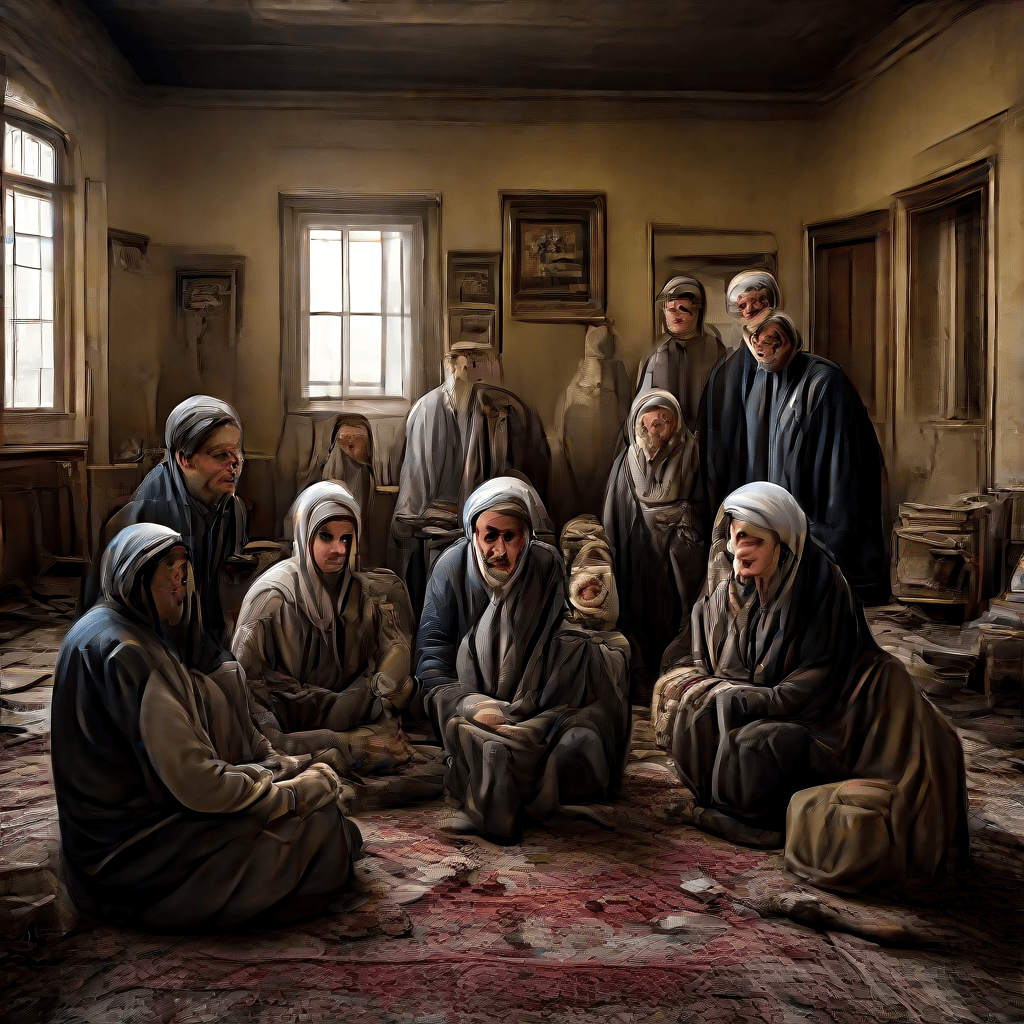
Impact of Regional Tensions on Domestic Life
Regional tensions in the Middle East are increasingly reported to be impacting domestic life within Iran. In households from Tehran to the diaspora, political disagreements are affecting traditional familial bonds. Observers note that these domestic shifts occur in a society where the family unit has long functioned as a primary social buffer.
Reports from civil society groups and anecdotal evidence suggest an increase in instances of family estrangement following recent regional escalations. Instances of siblings ceasing communication or parents distancing themselves from children over disagreements regarding state policy are being documented. These fractures often center on a binary choice between alignment with administrative narratives or support for dissenting viewpoints.
Generational Perspectives and Security Narratives
Data suggests a widening generational gap regarding national priorities in Iran. Younger demographics frequently prioritize domestic stability and civil liberties, while older generations often emphasize national security narratives in a volatile regional context. This friction has become more pronounced as the possibility of direct regional conflict remains a consistent topic of public discourse.
In some households, these differing priorities are framed as a zero-sum conflict. The intersection of national security demands and movements for internal reform has led to reports of political exclusion within families. In this environment, silence or dissent can result in the loss of primary support networks, which have traditionally provided stability during times of crisis.
Information Ecosystems in a Post-Superpower Era
The divergence in family dynamics is further influenced by segregated information environments. State-controlled media and independent satellite networks often present differing accounts of regional events, making consensus on basic facts difficult for family members. One narrative emphasizes defensive necessity, while the other focuses on the domestic consequences of regional positioning.
This information gap is exacerbated by shifting global power dynamics. Following the U.S. administration's "America First" pivot and withdrawal from Middle Eastern security roles, regional players have been tasked with managing their own energy security. As the United Kingdom hosts talks on the Strait of Hormuz, these geopolitical shifts are interpreted through varied media lenses within the home.
Socio-Economic Consequences of Domestic Friction
The prioritization of political alignment over familial bonds is affecting the informal safety nets that have historically characterized Iranian resilience. These networks—providing financial, emotional, and logistical support—have traditionally mitigated the impact of economic sanctions and gaps in public services.
The erosion of these internal support systems can lead to increased social isolation. When the family structure no longer accommodates diverse viewpoints, individuals may become more reliant on external ideological groups for a sense of belonging. Observers suggest that this social fragmentation may have longer-lasting impacts on societal cohesion than physical damage to regional infrastructure.
State Narratives and Internal Consensus
Official state narratives have increasingly framed national unity as a requirement for survival amidst regional tensions. In this context, internal disagreements are sometimes characterized as a threat to national security. Legal and media frameworks that emphasize collective responsibility can place additional pressure on families to maintain a unified public front.
This emphasis on consensus often requires families to navigate complex social expectations. As official messaging calls for solidarity against perceived external adversaries, some families report a sense of internal surveillance. The requirement for public alignment can create a climate where private dissent is perceived as a betrayal of both the state and the family unit.
Long-term Social Implications
The current pattern of domestic fragmentation may persist beyond the immediate geopolitical crisis. Experts in sociology note that a generation maturing in an environment of familial instability may face challenges in future reconciliation efforts. The mechanisms for dialogue and compromise, once centered in the home, are being strained by external political pressures.
Restoring the family as a space for coexisting identities remains a significant challenge for social cohesion. Without efforts to address these internal fractures, the social fabric of the nation may remain impacted for an extended period, regardless of shifts in the regional security landscape.
Sources & References
What Iranians make of the possibility of talks to end the war
BBC • Accessed 2026-04-01
LIVE Trump says he's considering leaving Nato as Starmer says UK will host talks on Strait of Hormuz The UK will host a meeting with dozens of countries on reopening the Strait after Trump told countries on Tuesday to get your own oil . China is trying to play peacemaker in the Iran war - will it work? It's a turnaround for Beijing, whose official response has been muted so far. Why is China stepping in now?
View Original'You're no longer my sister' - rows erupt as war divides Iranian families
BBC • Accessed Tue, 31 Mar 2026 23:25:19 GMT
'You're no longer my sister' - rows erupt as war divides Iranian families
View Original*Iran International
iranintl • Accessed 2026-03-30
**Headline:** "Regime uses 'cover of war' to target families of dissidents"
View OriginalWhat do you think of this article?