The Hormuz Ultimatum: U.S. Energy Isolationism and the End of the Global Commons
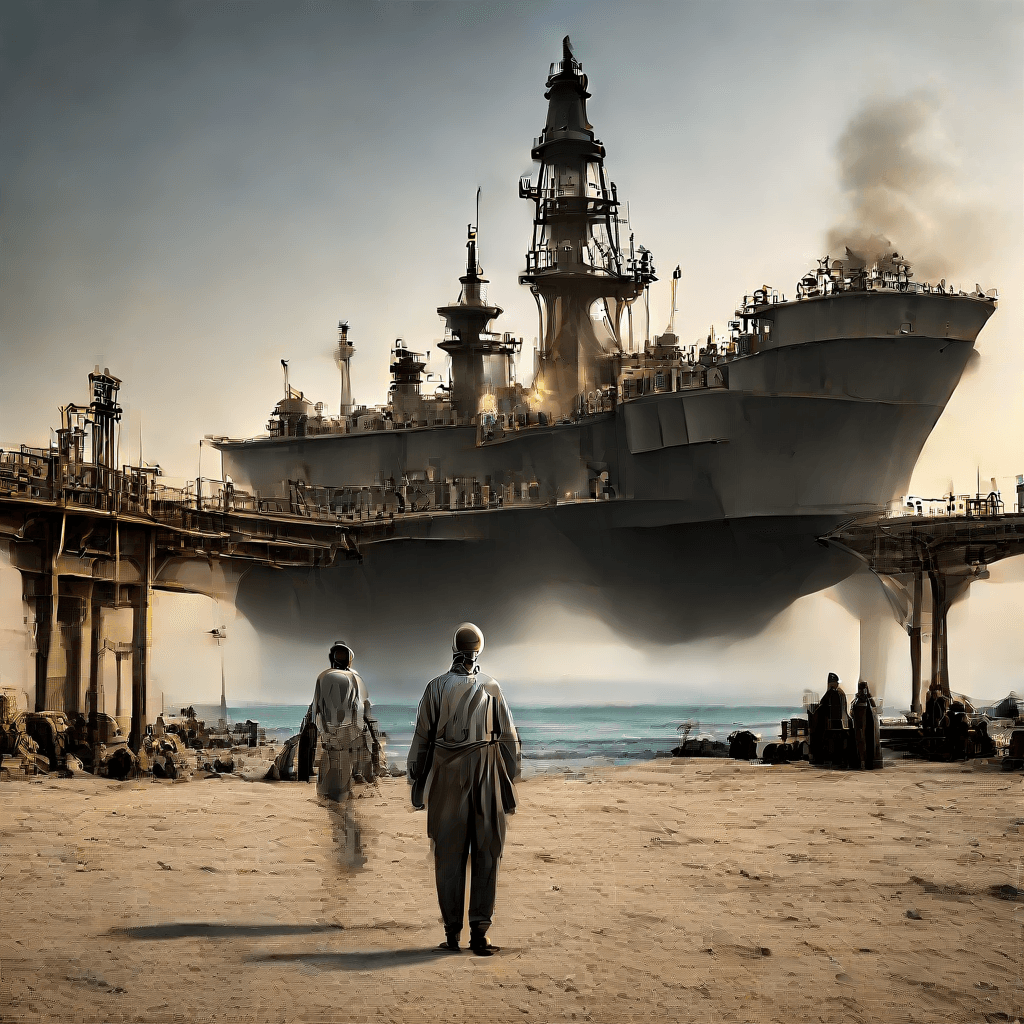
Title: The Hormuz Ultimatum: U.S. Energy Isolationism and the End of the Global Commons
The Ultimatum at the Gates of the Persian Gulf
The maritime order that anchored the Persian Gulf for nearly half a century has reached a point of systemic collapse following official policy directives from Washington on March 31, 2026. Since 1980, the United States operated under the Carter Doctrine—a foundational security policy pledging military intervention to prevent hostile control of the region and establishing the U.S. Navy as the guarantor of the "Global Commons." Recent strategic policy analyses suggest that this commitment, which ensured the uninterrupted flow of oil to international markets, is being dismantled.
The American security umbrella is definitively folding as the current administration clarifies that the United States will no longer expend military resources to protect the energy interests of other nations. While the Strait of Hormuz remains a volatile flashpoint, industry reports suggest this ultimatum replaces the post-World War II consensus with a stark reality: maritime security is no longer a public good, but a private burden.
Shale Supremacy and the Logic of Fortress America
A fundamental realignment of the American energy landscape serves as the primary driver behind this strategic withdrawal. For decades, the U.S. was a vulnerable consumer of Middle Eastern crude, making the security of the Persian Gulf a matter of national survival. Energy security white papers highlight how this dependency has vanished, as the United States has emerged as a dominant energy power with domestic reserves that have fundamentally altered its strategic calculus.
The logic underlying this "Fortress America" approach is strictly transactional: why should domestic resources secure a waterway for a commodity the nation no longer requires for its own survival? By prioritizing internal energy independence over global market stability, Washington is signaling that its historical role as the global energy policeman has become an unnecessary economic liability. This policy shift directly alters retail financial conditions, as the cost of global naval power is traded for domestic deregulation and industrial protectionism.
The Disruption of the Global Maritime Guardrail
The world’s most critical oil chokepoint is transforming into a "Hormuz Tollgate" following the removal of American security guarantees. Historically, the strait carried roughly 20% of the world’s oil supply, a flow maintained by the constant presence of the U.S. Fifth Fleet. Maritime insurance reports indicate that without that guardrail, the strait is no longer a neutral highway, but has become a site of unregulated geopolitical leverage.
The absence of a security guarantor has introduced immediate systemic friction. For the first time in generations, vessels passing through the strait face a landscape where transit rules are being redefined by regional powers on a transactional basis. This erosion of the protective umbrella undermines the insurance and logistical framework of global trade, demonstrating how administrative withdrawal enables specific judicial and economic outcomes that favor regional actors over global stability.
Strategic Vacuums and Rival Protectors
As the U.S. retreats, a strategic vacuum is opening in the Gulf. This withdrawal forces a confrontation with the reality that other powers may step in to fill the void. Major energy consumers in Asia and Europe have been directed to secure their own transit, creating a scenario where rival powers could provide the security the U.S. has abandoned—though likely at a steep geopolitical price.
This transition from a unipolar security model to a fragmented one increases the risk of miscalculation. Regional actors may weaponize the strait, knowing there is no longer a superpower willing to enforce the status quo of free passage. These broad policy shifts toward regulatory nationalism directly impact individual consumer outcomes by creating persistent upward pressure on energy-dependent goods and services.
Inflationary Ghosts in the Global Supply Chain
The global economy is now entering an "Adjustment Crisis" as markets recalibrate to the removal of American security guarantees. For independent logistics providers operating out of regional hubs like Texas, this crisis manifests as daily unpredictability. While the U.S. is energy-rich, the global nature of trade means any disruption in the 20% of oil flowing through Hormuz sends shockwaves through the entire supply chain.
This economic shock illustrates a critical policy dilemma: persistent energy inflation prevents central banks from easing rates despite signs of economic stagnation. The uncertainty has cooled investment in heavy manufacturing and real estate, as corporations adopt a defensive posture. The move toward alternative routes and localized supply chains is inherently inflationary, ensuring that even with domestic supply, the cost of transportation and petrochemical components will continue to rise.
Security as a Subscription
We are witnessing the birth of "Security as a Subscription"—a new, transactional world order where maritime protection is a service that must be negotiated for individually. The directive that allies must manage their own interests is the definitive statement of this pay-to-play framework.
This model suggests a future where international waters are governed not by treaties, but by individual user-pays agreements. Nations with the naval capacity to protect their own interests will survive, while less capable states will find themselves marginalized. The long-term sustainability of this model remains questionable, as it encourages the remilitarization of the world’s oceans and the fracturing of global trade into exclusive, protected corridors.
Sources & References
*[조선일보] 트럼프 "우린 석유 부국, 도움 안되는 동맹은 호르무즈서 각자 알아서"
조선일보 • Accessed 2026-03-31
**게시일:** 2026년 3월 31일
View Original트럼프 “호르무즈 가서 석유 알아서 챙겨라…미국서 사라, 우린 많다”
한겨레 • Accessed Tue, 31 Mar 2026 16:36:00 GMT
트럼프, 호르무즈 막힌 채 발빼나…“당신들 기름은 알아서 챙겨라” 도널드 트럼프 미국 대통령이 전세계 원유 20%의 수송로인 호르무즈해협이 봉쇄된 상태에서 전쟁을 종료하는 방안을 선택지에 올렸다는 보도가 나왔다. 트럼프 대통령은 31일(현지시각) 자신의 소셜미디어에 미국은 “더 이상 당신들을 돕기 위해 그곳에 있지 않을 것”이라며 “당신들 기름은 알아서 챙겨라”라고 주장했다. 유가 급등으로 세계가 유례없는 피해를 겪고 있 미 언론 “트럼프, 호르무즈 안 풀고 전쟁 끝낼 용의 있다고 밝혀” 이란 외교부 “호르무즈 봉쇄는 미국탓…적국 선박 통과 못해” [일문일답]
View Original‘호르무즈 톨게이트’ 결국 현실로
동아일보 • Accessed Wed, 01 Apr 2026 04:30:00 +0900
‘호르무즈 톨게이트’ 결국 현실로
View OriginalWhat do you think of this article?