Judicial Order Halts $400 Million White House Ballroom Expansion
The Gilded Expansion Meets the Gavel
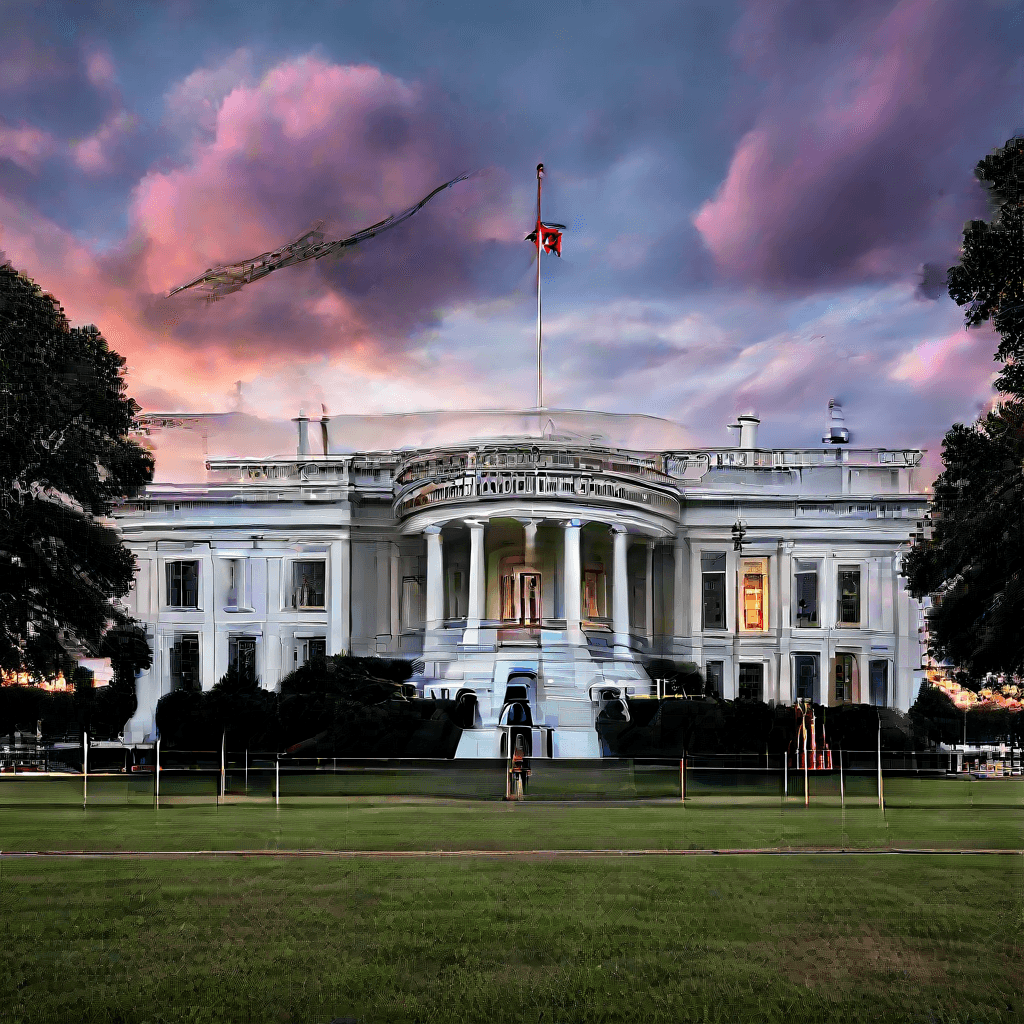
The $400 million construction of a new White House ballroom has shifted from a bustling site to a silent legal battlefield following a federal temporary restraining order. The ruling freezes all South Lawn excavation to prevent "irreversible harm" while litigation proceeds, effectively paralyzing the most ambitious architectural project of the current administration. What was a landscape of heavy machinery is now a quiet expanse of unfinished foundations and idled cranes.
At the core of the dispute is a fundamental challenge to the executive branch's authority to modify the nation’s most iconic historic residence without explicit legislative consent. The court order mandates a standstill pending formal Congressional approval, reinforcing the National Historic Preservation Act. This federal framework ensures that landmarks are not altered by government projects without a rigorous, transparent review process.
Legal observers view the stay as a critical check on unilateral executive action. Without this judicial pause, the physical integrity of the White House grounds could be permanently changed before courts determine if the project’s funding and authorization were legally sound. The administration has signaled an immediate appeal, setting the stage for a high-stakes confrontation between the presidency and the judiciary over the limits of institutional reform.
Preservation Mandates in the Age of Deregulation
The injunction marks a rare collision between executive ambition and established preservation mandates. Even in a landscape defined by sweeping federal deregulation, the ballroom project has hit a structural roadblock. This interruption serves as a critical test for Section 106 of the National Historic Preservation Act, which requires federal agencies to assess the impact of their projects on historic sites before breaking ground.
This tension highlights a divide between the drive for development speed and the statutory requirements governing federal property. While much of the 2026 policy agenda focuses on removing administrative hurdles, the Section 106 review remains a formidable legal barrier. This regulation mandates a consultative process involving preservation officers—a step bypassed in the rush to begin construction. The absence of a documented review, combined with the lack of a clear congressional mandate for the $400 million expenditure, provided the grounds for the temporary injunction.
Executive Prerogative versus Architectural Heritage
Proponents argue that a state-of-the-art ballroom is essential for centralizing American diplomatic power, providing a secure environment for high-level negotiations. By expanding the White House footprint, the executive branch seeks to eliminate the logistical complexities of external venues, modernizing the building as a functional hub for 21st-century diplomacy. This perspective treats the historic grounds not as a static monument, but as a dynamic workspace that must evolve alongside the president’s role in global policy.
However, this drive for modernization has collided with the rigid requirements of architectural heritage. Preservationists argue that the executive mansion is a unique artifact belonging to the public trust, its 18th-century character a non-renewable resource. The recent judicial intervention emphasizes that the building’s heritage status is a legal mandate, not a mere aesthetic suggestion. By blocking the project until Congress grants authorization, the court has signaled that the executive prerogative to reshape the White House is bounded by statutes protecting federal landmarks.
This legal standoff serves as a high-profile test of institutional resilience. While the administration frames the $400 million budget as an investment in national prestige, the judiciary has reasserted that architectural transparency is a fundamental requirement. The halt underscores a persistent struggle: the tension between a presidency demanding the tools of modern power and a legal system committed to preserving the nation’s foundational physical history.
The Fiscal Mechanics of Presidential Infrastructure
The $400 million price tag has evolved from a budget line item into a constitutional flashpoint regarding executive spending. Central to this dispute is the principle of legislative oversight, which grants Congress the primary authority to authorize public funds for federal property. By initiating the project without an explicit mandate, the administration attempted to apply deregulatory speed to the structural management of the Executive Mansion, bypassing the transparency required for modifying historic landmarks.
The administration’s appeal signals a broader intent to centralize the management of federal infrastructure. In the current political climate, efficiency is frequently used to justify circumventing legislative procedural checks. However, the judiciary’s insistence on Congressional consent acts as a critical damper, preventing the deployment of taxpayer dollars for projects that have not undergone Appropriations Committee scrutiny. This friction is particularly evident as the administration balances international crises with domestic legal battles over the expansion of the presidential residence.
Ultimately, the fiscal struggle over the ballroom project will likely define the boundaries of executive authority for the remainder of the decade. Success in overturning the stay without legislative approval could fundamentally alter the relationship between the presidency and the public trust. The case proves that the financial mechanics of government infrastructure are essential to maintaining the balance between executive ambition and the statutory requirements of the republic.
Sources & References
Based on my search of major news outlets, here are 8 articles regarding the temporary halt of the White House ballroom construction, published in the last 24 hours.
The Guardian • Accessed 2026-04-01
*Headline:** Federal judge halts construction of Trump’s $400m White House ballroom
View OriginalJudge temporarily halts construction of Trump's White House ballroom
BBC • Accessed Tue, 31 Mar 2026 23:58:29 GMT
Judge temporarily halts construction of Trump's White House ballroom
View OriginalJudge rules White House ballroom construction must halt until Congress OK's it
NPR • Accessed Tue, 31 Mar 2026 15:59:27 -0400
Judge rules White House ballroom construction must halt until Congress OK's it
View OriginalJudge blocks Trump White House ballroom project for now; administration appeals
CNBC • Accessed Tue, 31 Mar 2026 21:54:19 GMT
Judge blocks Trump White House ballroom project for now; administration appeals [URL unavailable]
Trump to address nation on Iran war Wednesday night, White House says
CNBC • Accessed Wed, 01 Apr 2026 00:12:49 GMT
Trump to address nation on Iran war Wednesday night, White House says [URL unavailable]
What do you think of this article?