The Hormuz Ultimatum: Why Naval Power No Longer Secures the Global Market
The Midnight Deadline at the Chokepoint
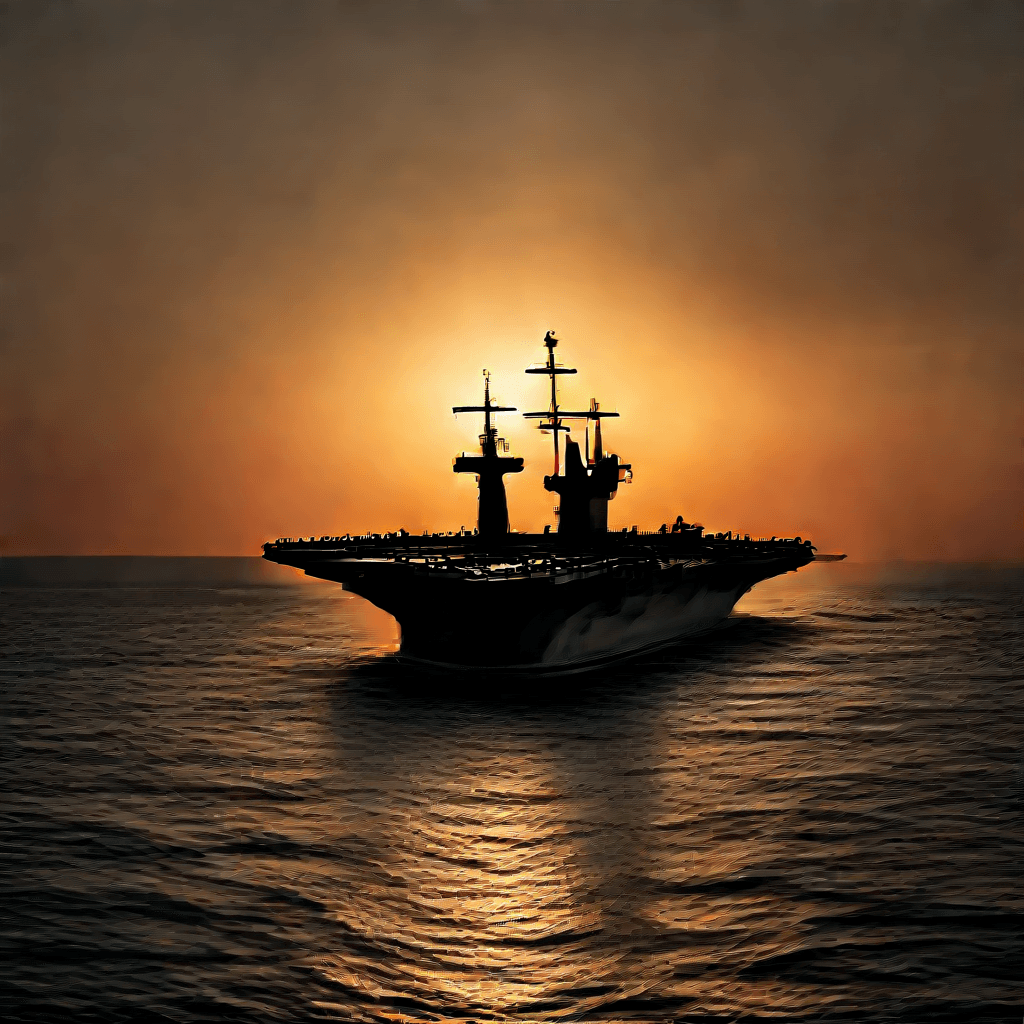
Global energy markets are fundamentally unprepared for the looming Situation Room deadline. At 8 PM tonight, the ultimatum issued to Tehran expires, carrying the threat of a kinetic engagement designed to neutralize strategic assets in a single evening. This threshold is not merely a localized conflict; it tests a domestic-market-alliance framework where the White House bets that military pressure alone can reopen the world’s most critical maritime artery.
While official reports claim tireless executive deliberation, the optical disconnect between public urgency and private leisure has eroded market certainty for commodity traders. Contingency plans for ground deployment represent a stark departure from the administration’s stated isolationist mandates. For market participants, the primary concern is whether global trade infrastructure can survive the immediate shock of a military execution.
The Strategic Void of Two-Front Isolationism
The current standoff exposes a deepening paradox in American foreign policy: the 'Two-Front Void.' As Washington pursues technological hegemony in orbit and the digital realm, it has simultaneously accelerated a withdrawal from terrestrial security obligations. This pivot signals to regional actors that the traditional security umbrella is being replaced by a transactional model defined by isolationist priorities.
The administration is attempting to bridge the gap between isolationist rhetoric and maritime necessity by threatening total destruction while suggesting ground engagement. However, without a permanent and credible naval presence, these unilateral threats appear as high-stakes gambles. The decoupling of military threats from long-term regional stability has left a void where diplomatic nuance once resided.
Asia's Silent Security Architecture
While the 8 PM deadline dominates Western headlines, a silent security architecture is rising across the Indo-Pacific. Major energy consumers in China, India, and the ASEAN bloc have bypassed the traditional US-led sanctions regime, securing bilateral guarantees directly with suppliers. These 'shadow deals' operate outside the dollar-denominated financial system, immunizing Asian manufacturing hubs from the fallout of an American blockade.
Mediation efforts by regional intermediaries further illustrate this shift toward a multipolar energy landscape. Negotiators are currently weighing a two-stage ceasefire proposal to cease hostilities and reopen the Strait of Hormuz. Though discrepancies remain regarding the initial cooling-off period—with proposals ranging from 15 to 45 days—the existence of these talks confirms a 'decoupling deficit.' Asian powers are no longer waiting for a Western mandate to secure their energy survival; they are building exits from the American orbit.
Market Constraints and the $120 Threshold
The economic feasibility of a naval blockade is colliding with a global economy reeling from the 'Adjustment Crisis'—the massive displacement of white-collar labor by rapid automation. With WTI crude prices breaching $115 per barrel, the $120 mark represents a psychological and economic tipping point for global inflation. Any further disruption to the Hormuz chokepoint would spike fuel costs and accelerate the collapse of strained supply chains.
In Houston, rising energy costs are now a direct constraint on the administration’s domestic agenda. If prices sustain these levels, the political cost of a unilateral blockade becomes untenable. The friction between military leverage and price stability is the primary barrier to decisive action. In an era where 6G networks and AI agents drive productivity, the primitive necessity of oil remains the ultimate anchor on political ambition.
The Alliance Friction Point
The 'Midnight Ultimatum' exposes fractures among Western allies. In Japan and South Korea, where sovereign debt yields have hit 27-year highs, priorities have shifted from containment to national survival. These nations are grappling with internal crises—ranging from medical system collapses to the end of zero-interest-rate eras—and cannot absorb the collateral damage of a protracted conflict.
This friction stems from transactional diplomacy. When security is treated as a commodity, allies seek alternative insurance. The refusal of several Asian nations to honor recent maritime restrictions indicates that the era of unquestioned naval hegemony is ending. For these partners, the risk of energy starvation outweighs the diplomatic cost of defying a Washington focused on internal deregulation.
The Institutional Mechanism of Failure
A critical flaw in current regional policy is the absence of institutional safeguards or 'punitive compensation.' This mechanism, intended to reimburse allies for economic losses incurred by American-led sanctions, has never been formalized. Without a financial safety net, the US is asking partners to risk economic instability for a security guarantee that is increasingly viewed as conditional.
The failure to establish this framework renders the threat of a blockade a hollow lever. Unilateralism without burden-sharing creates a decoupling effect where allies prioritize fiscal health over strategic alignment. As long as regional policy lacks a concrete framework to mitigate economic pain, the ability to command a unified front at chokepoints like Hormuz will continue to erode. The ultimatum is not just a test for Tehran, but a demonstration of the fraying institutional bonds of the post-WWII order.
Sources & References
Based on a search for news articles published between April 1 and April 7, 2026 (the current simulated date in the project context), here are the latest reports concerning Trump’s Hormuz deadline and the reported deals between Asian nations and Iran:
동아일보 • Accessed 2026-04-07
파키스탄, ‘휴전뒤 종전협상’안 전달 휴전기간 “15~20일” “45일” 갈려… 일각 “이란, 호르무즈 재개방 부정적” 트럼프, 예고보다 통첩 하루 더 연장… “지상군 투입 배제하지 않아” 압박도 쉬지 않는다더니 골프 친 트럼프 도널드 트럼프 미국 대통령(가운데)이 부활절 겸 일요일인 5일(현지 시간) 워싱턴 인근 본인 소유의 트럼프내셔널골프클럽을 다녀온 뒤 백악관으로 복귀하고 있다. 그는 골프장에서 약 2시간을 보냈는데, 하루 전 스티븐 청 백악관 공보국장이 X에 “부활절 연휴에 대통령은 백악관에서 쉬지 않고 일하고 있다”고 쓴 것과 대조적이다. 6일 로이터통신 등은 미국과 이란이 파키스탄 등의 중재를 통해 먼저 휴전을 한 후 종전 협상의 세부 사안을 논의하는 ‘2단계 휴전안’을 논의하고 있다고 보도했다. 워싱턴=AP 뉴시스 미국과 이란이 ‘선(先) 휴전, 후(後) 종전 협상’을 골자로 하는 2단계 중재안을 논의 중이라고 로이터통신과 AP통신 등이 6일(현지 시간) 보도했다.
View OriginalTrump's Hormuz deadline looms but Asian nations have already struck deals with Iran
BBC • Accessed Mon, 06 Apr 2026 23:34:11 GMT
Trump's Hormuz deadline looms but Asian nations have already struck deals with Iran
View OriginalTrump threatens to take out Iran in 'one night' if no deal before deadline
BBC • Accessed Mon, 06 Apr 2026 21:55:50 GMT
Trump threatens to take out Iran in 'one night' if no deal before deadline
View OriginalTrump says Iran ceasefire proposal 'significant' but 'not good enough' as Hormuz Strait deadline nears
CNBC • Accessed Mon, 06 Apr 2026 20:36:24 GMT
Trump says Iran ceasefire proposal 'significant' but 'not good enough' as Hormuz Strait deadline nears [URL unavailable]
Trump Threatens Destruction in Iran, Demands Hormuz Open
Bloomberg • Accessed Tue, 07 Apr 2026 00:14:57 GMT
Trump Threatens Destruction in Iran, Demands Hormuz Open [URL unavailable]
What do you think of this article?