Premium Volatility: Kagoshima’s Record Tea Auction Hits Global Energy Headwinds
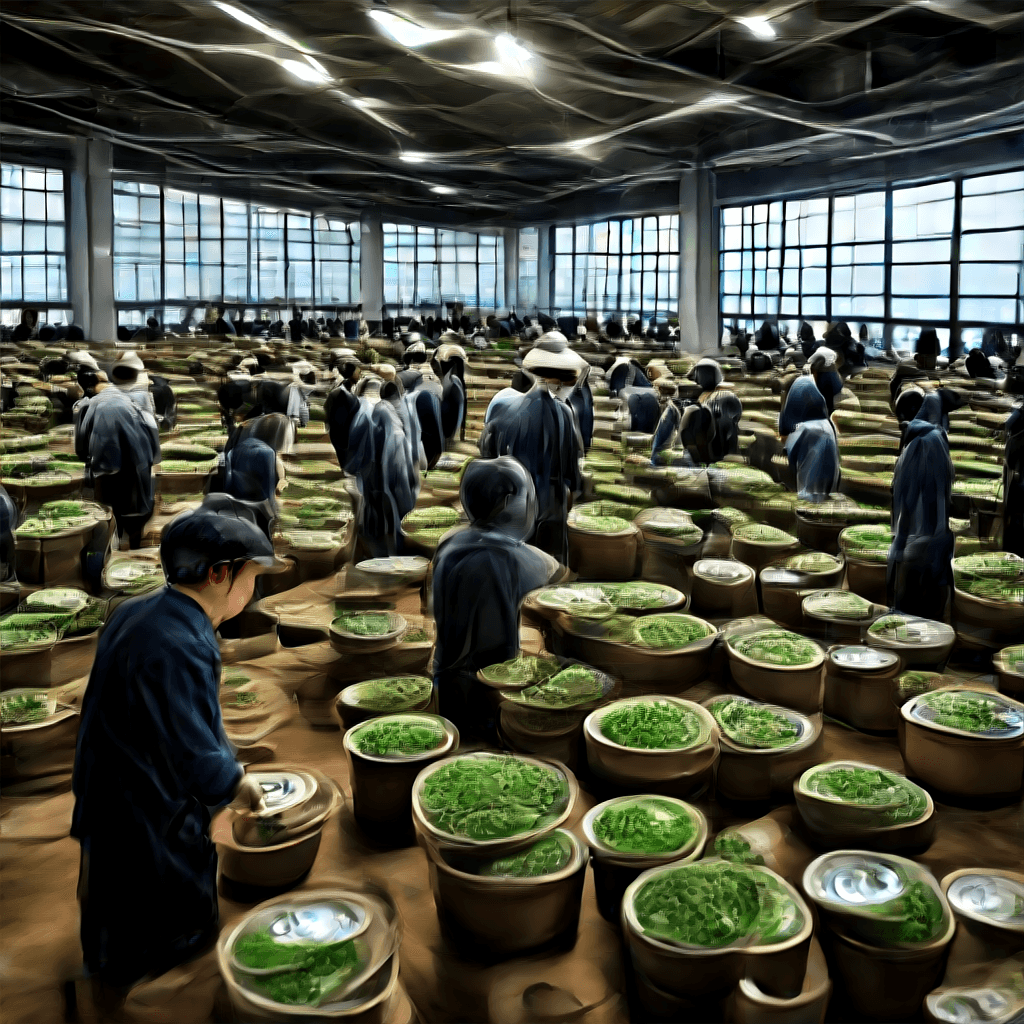
Kagoshima’s 2026 green tea season opened with record-breaking momentum, signaling strong demand for high-end Japanese commodities despite global instability. This initial auction for "Shincha"—the year’s first harvest—serves as a critical bellwether for premium branding under the second Trump administration's deregulatory focus. As investors seek tangible luxury assets, market trends suggest localized heritage brands are successfully maintaining pricing power within a fractured trade landscape. This valuation jump reflects a broader transition in the Japanese economy, which is shedding its deflationary past for a more volatile, high-stakes valuation model.
The auction floor's optimism is increasingly tempered by an energy crisis threatening the machinery of luxury production. Harvesting and drying tea are energy-intensive processes; producers now face mounting pressure to secure the fuel necessary to sustain peak-season operations. Energy market data shows WTI crude oil exceeding $115 per barrel, while the Strait of Hormuz remains a focal point of geopolitical friction, driving overhead for localized agriculture as rapidly as auction bids. This dependency reveals a fragile link between Kagoshima’s artisanal fields and destabilized Middle Eastern shipping lanes, where tactical shifts can erase record-breaking margins.
For exporters, high bids offer only limited protection against systemic inflationary pressures. Yield curve reports show that while leaf prices soar, profit margins are being squeezed by 10-year Japanese Government Bond (JGB) yields reaching 2.4%. With Ministry of Finance records indicating a record 122 trillion yen national budget—delayed until April for the first time in a decade—the Shincha harvest has transitioned from a cultural milestone to a high-risk financial instrument. The premium paid for the leaf now directly reflects the cost of surviving an era where isolationist trade policies and energy scarcity are the new baseline.
Kagoshima has effectively redefined Japanese agriculture, overtaking traditional centers like Shizuoka by focusing on modernization and high-value branding. This transition represents a fundamental restructuring of the luxury commodity market, scaling production even as domestic costs surge. Ministry of Education statistics show the financial burden for families of private university students now reaches 2.35 million yen as the cost of living hits record highs. These domestic pressures mirror the national fiscal strategy, where the 122 trillion yen budget underscores a reality where maintaining "top-tier" status is becoming increasingly expensive across all sectors.
Energy insecurity persists despite the brand's success. Premium quality requires precise, energy-intensive processing and climate-controlled irrigation, leaving the sector vulnerable to global fuel fluctuations. While official statements claim to have secured enough oil through the year by utilizing trade routes that bypass the Strait of Hormuz, underlying anxiety remains. The shift toward non-traditional supply lines is a direct response to a geopolitical landscape defined by isolationism and regional blockades, forcing specialized producers to navigate a fragmented global market.
The "America First" doctrine has transformed once-fluid global supply chains into a series of high-stakes logistical hurdles. For premium Japanese exports, the challenge has shifted from brand prestige to navigating a landscape where U.S. deregulation pairs with an isolationist stance toward maritime security. As the Strait of Hormuz remains a volatile choke point, the pivot away from traditional global policing forces exporters to bear the full weight of skyrocketing fuel surcharges. The era of cheap money that fueled luxury expansion has ended, replaced by a reality where debt service and energy procurement compete for diminishing margins.
The resilience of premium branding faces its most rigorous test as the traditional buffers of localized production dissolve into global energy volatility. Heritage industries are finding that survival depends on decoupling from traditional vulnerabilities while embracing technological acceleration. As physical borders harden and digital trade frontiers expand, the premium commodity sector becomes a microcosm of a wider global struggle: the race to maintain historical prestige while navigating the mechanics of a fractured, high-cost future.
Sources & References
かごしま新茶初取引、「日本一」の勢い過去最高値 燃油確保に不安も [鹿児島県]
朝日新聞 • Accessed Mon, 06 Apr 2026 21:30:00 GMT
速報ニュース 6時間前 鳥取県米子市議を受託収賄容疑で逮捕 サルの飼育施設の管理めぐり 6時間前 高市首相2カ月ぶり夜会合 滞在10分、党グループに「ありがとう」 6時間前 「買う側」処罰に賛否 売春防止法見直し、法務省検討会がヒアリング 7時間前 台湾野党の国民党主席が上海に到着 9年半ぶり訪中で習氏と会談か 7時間前 【詳報】過去最大122兆円超の予算成立 11年ぶり4月にずれ込む 7時間前 「戦争やめるよう訴える」 被団協など、NPT会議に180人派遣へ 7時間前 統一地方選で「議席の最大化図る」 中道・立憲・公明が合意文書 8時間前 天皇ご一家、原発事故の被災地を巡った2日間 小中学生とも交流 8時間前 中東緊迫で物価高警戒、長期金利一時2.430% 5年債は最高水準 8時間前 日本郵便、速達の遅延を発表 報道で発覚、「公表遅れを深くおわび」 8時間前 NHK執行部を大刷新へ 専務理事に原氏が昇格、新任理事は9人 8時間前 日本人5人逮捕、フィリピンから特殊詐欺を指示か 身柄を日本に移送 9時間前 近畿の倒産、25年度は13年ぶり高水準 大阪は「万博効果」で減少 9時間前 ベト
View Original私立大の新入生家庭の負担、過去最高 自宅外通学は235万円
Asahi • Accessed 2026-04-07
私立大の新入生家庭の負担、過去最高 自宅外通学は235万円
View Original【詳報】過去最大122兆円超の予算成立 11年ぶり4月にずれ込む
Asahi • Accessed 2026-04-07
【詳報】過去最大122兆円超の予算成立 11年ぶり4月にずれ込む
View Original今年のテーマはニジイロの「幸せ」 日本一短い手紙のコンクール
Asahi • Accessed 2026-04-07
今年のテーマはニジイロの「幸せ」 日本一短い手紙のコンクール
View Original高市首相「年越え石油確保のめど」 ホルムズ海峡通らない調達で
Mainichi • Accessed 2026-04-07
高市首相「年越え石油確保のめど」 ホルムズ海峡通らない調達で
View OriginalWhat do you think of this article?