The Maritime Standoff: Why the Iran Ceasefire Signals a Shift to Economic Warfare
Tehran’s War of Nerves
Tehran remains in a state of tense silence; the absence of missiles has not restored peace of mind. While a fragile ceasefire has paused active shelling, skepticism regarding long-term diplomacy persists. For logistics coordinator Michael Johnson, the calm feels like a tactical intermission rather than a resolution. The structural grievances between the two nations remain unaddressed, and the immediate threat of aerial bombardment has been replaced by an agonizing wait for the next economic or political disruption.
This tactical pause has not signaled a withdrawal, but a relocation of the front lines from the air to the sea.
From Missiles to Maritime Embargoes
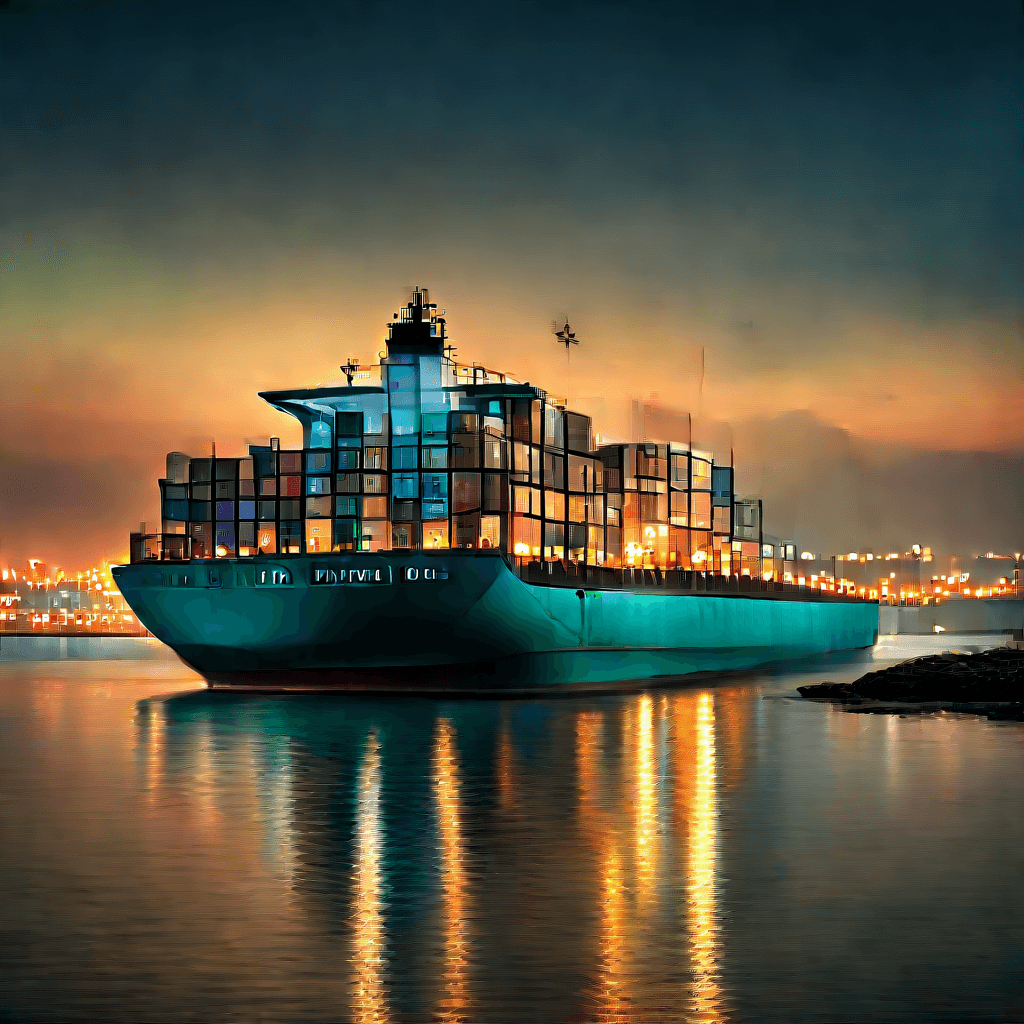
The conflict has transformed from direct kinetic engagement into a calculated battle of competing blockades. Both sides are seeking leverage through geographical chokepoints and naval presence. By centering the struggle on maritime control, the current stalemate weaponizes global trade routes while avoiding the immediate political cost of mass casualties. The Strait of Hormuz has become the primary theater for this silent war, where the movement of energy resources serves as a tactical maneuver. This transition suggest the pause in fighting is a reconfiguration of hostilities into a sustainable, long-term economic siege.
This shift in theater moves the cost of conflict from defense budgets directly to global energy markets.
The Resurgence of the Hundred-Dollar Barrel
Energy markets reacted sharply to the maritime standoff, with Brent crude prices surging above $105 per barrel. This spike is driven by market anxiety over a potential total closure of the Strait of Hormuz, the world’s most critical petroleum artery. For logistics managers like Sarah Miller, these global shifts manifest as rising operational costs and thinning profit margins. The return of three-digit oil prices highlights the vulnerability of international supply chains to localized geopolitical friction. As long as naval presence remains a tool of coercion, the global economy faces a security premium that taxes consumers and businesses alike.
While markets internalize the risk of a prolonged blockade, the diplomatic cost of maritime containment creates new fractures in the international order.
Global Friction and the Counter-Narrative
The strategy of naval containment has sparked significant international friction, drawing sharp criticism from powers that view the tactics as a threat to maritime stability. Beijing officials characterized the naval blockade of Iranian ports as an irresponsible and dangerous escalation. This opposition underscores a divide in the definition of global security and freedom of navigation. The Chinese stance indicates that the blockade is viewed not as a legitimate diplomatic tool, but as an infringement on global trade norms. This diplomatic fallout complicates a unified international response and suggests the regional deadlock is feeding into a larger geopolitical realignment.
These external pressures have forced a diplomatic counter-move, though one facing the rigid policy frameworks in Washington.
The Ten-Point Gambit for Peace
Tehran proposed a comprehensive 10-point ceasefire plan to break the diplomatic impasse. However, adoption remains complex, as the Trump administration's acceptance of these terms represents a significant hurdle. The plan attempts to balance immediate security concerns with long-term sovereign guarantees, yet it struggles to bridge the trust gap widened during the recent confrontation. For Washington, the challenge lies in reconciling these terms with policy objectives centered on maximum pressure and regional containment. The structural inertia of the conflict prevents a rapid transition to genuine peace.
A Diplomatic Deadlock on the Horizon
Current conditions suggest the ceasefire is a reinforced wall of mutual suspicion rather than a bridge to peace. The transition into a battle of competing blockades has created a self-sustaining cycle of economic pain and strategic maneuvering. In Tehran, the public views the prospect of a lasting deal with uncertainty, recognizing that the underlying drivers of the conflict remain active. The naval presence in the Strait of Hormuz serves as a constant reminder that the tools of war have merely been exchanged for the tools of economic strangulation. Without a fundamental shift in the zero-sum logic defining the relationship, a grand bargain remains a distant mirage.
Sources & References
US blockade of Iran ports 'irresponsible and dangerous', China says
BBC • Accessed 2026-04-16
US blockade of Iran ports 'irresponsible and dangerous', China says
View OriginalAs ceasefire holds, Iran war could become battle of competing blockades
BBC • Accessed 2026-04-16
As ceasefire holds, Iran war could become battle of competing blockades
View OriginalWhy and how is US blockading Iranian ports in Strait of Hormuz?
BBC • Accessed 2026-04-16
LIVE Israel-Lebanon talks will happen today, Israeli minister says, after Beirut casts doubt on plans On Wednesday night, President Trump wrote: It has been a long time since the two leaders [of Israel and Lebanon] have spoken, like 34 years. It will happen tomorrow. Nice! Analysis: Under fragile ceasefire, Iranians wonder if US deal can be done The BBC's chief international correspondent reports from Iran as diplomatic efforts to avoid a return to war intensify.
View OriginalLyse Doucet in Iran: Under fragile ceasefire, Iranians wonder if US deal can be done
BBC • Accessed Wed, 15 Apr 2026 21:10:14 GMT
Lyse Doucet in Iran: Under fragile ceasefire, Iranians wonder if US deal can be done
View Original*Summary: This economic report highlights how global oil prices have spiked back above $100 per barrel as market fears grow over a potential total closure of the Strait of Hormuz.
ncr-iran • Accessed 2026-04-15
Home Iran News Now Amplifying COVID-19 Crisis, and Iran Regime’s Deadlock Iran News Now Iran Human Rights Amplifying COVID-19 Crisis, and Iran Regime’s Deadlock Written by Shahriar Kia 23rd November 2020 Facebook Twitter LinkedIn Pinterest Reddit Email Print The COVID-19 crisis in Iran (file photo) The amplifying COVID-19 crisis in Iran has now turned into the regime’s worst nightmare.
View OriginalExplainer: What is in Iran’s 10-point ceasefire plan and will the US agree to it?
Guardian • Accessed Wed, 08 Apr 2026 03:57:32 GMT
Explainer: What is in Iran’s 10-point ceasefire plan and will the US agree to it?
View OriginalWhat do you think of this article?