Renewable Sovereignty: Securing the American Economy Against Geopolitical Choke Points
The End of the Escort Era
The strategic map of global power is undergoing a fundamental redraw, driven less by naval maneuvers and more by the physical nature of energy generation. Traditional energy security has long been synonymous with the protection of maritime corridors, where massive tankers remain perpetually vulnerable to regional instability and the closure of narrow shipping straits. This reliance necessitates a costly and constant military presence to provide naval escorts for fuel supplies that are increasingly subject to geopolitical extortion. In 2026, as the 'Adjustment Crisis' deepens, the limitations of this 20th-century model have become a structural liability that the national economy can no longer sustain.
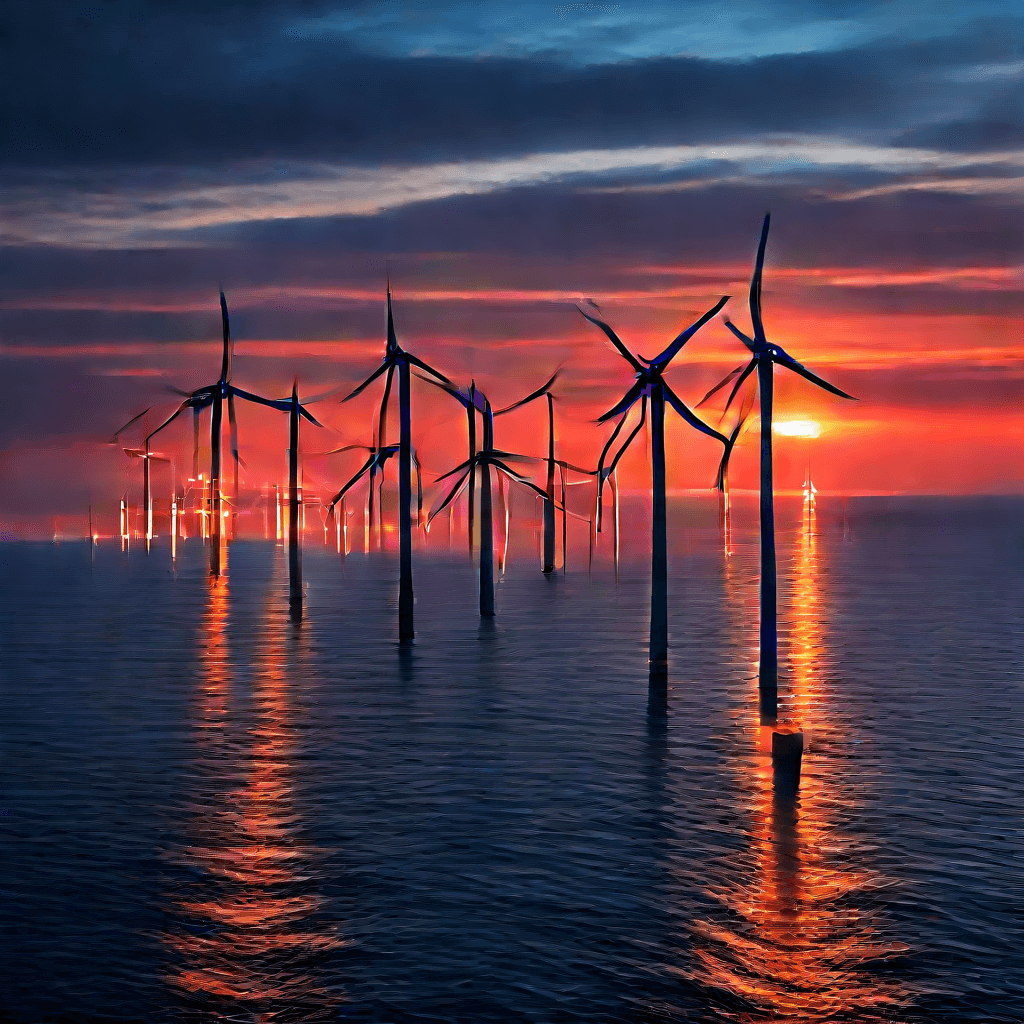
Localized energy generation fundamentally alters the calculus of power because resources like wind and solar are harvested at the point of consumption. These assets do not depend on vulnerable transit routes or the protection of international waters. The strategic superiority of domestic renewables lies in their inherent immunity to the choke points that have historically defined global conflict. In the current era of isolationism and deregulation, the shift toward localized power represents a move away from fragile dependencies toward a model of self-contained national resilience.
Economic Resilience in a Fragmented World
Stabilizing the American household requires a direct transition from maritime protection to domestic generation. Persistent volatility in the Middle East has ceased to be a distant geopolitical concern, manifesting instead as a direct hit to local commerce. For small business owners across the Midwest, the fluctuating cost of fossil fuels translates into unpredictable overhead that threatens the viability of domestic industry. This price instability is a structural symptom of a global supply chain that remains tethered to regions defined by deep-seated grievances and active hostilities.
Decoupling the cost of living from international conflict positions domestic renewable energy as the primary hedge against economic fragility. Localized power provides a stabilizing force for the national economy, ensuring that energy prices are determined by domestic policy rather than the outcome of a distant skirmish. The transition to clean energy is no longer driven solely by environmental mandates; it is being accelerated by the urgent need to insulate domestic markets from the inflationary shocks of a fragmented world order. Moving production within national borders provides a predictable foundation for the industrial resurgence currently underway.
Climate Action as a Strategic Weapon
National security has replaced environmental stewardship as the primary driver of climate policy in a landscape defined by global fragmentation. Energy autonomy is now employed as a strategic tool to maintain stability and diminish the leverage of energy-exporting adversaries. This evolution frames the energy transition as a prerequisite for absolute sovereignty, securing a nation’s position in an increasingly competitive global market.
Reducing the physical and economic vulnerabilities associated with imported fuels enhances the capacity for independent action on the world stage. The current administration's focus on deregulation and industrial protectionism finds its ultimate expression in this drive for energy autonomy. Protecting the free market now requires the aggressive deployment of technologies that remove the threat of external energy coercion, effectively turning the national energy grid into a primary front line of defense. This strategic shift ensures that national interests are no longer compromised by the energy requirements of the industrial base.
The Implementation Gap and the Grid Challenge
Infrastructure delivery, rather than target-setting, defines the 'Implementation Era,' as strategic goals meet physical reality. The primary challenge lies in the modernization of energy grids and the rapid expansion of storage capacity. Without a resilient grid capable of managing the intermittent nature of wind and solar power, the promise of energy independence remains unfulfilled. The focus has moved to the tangible engineering requirements of a modern nation: building the transformers, batteries, and transmission lines that form the backbone of a secure economy.
Achieving this level of physical resilience requires a massive redirection of industrial effort. Infrastructure stress, exacerbated by severe climate events and the soaring power demands of 6G digital networks, necessitates a grid that is both flexible and decentralized. The objective is a system that can withstand systemic disruptions while maintaining affordable rates for consumers. This focus on delivery ensures that the strategic benefits of renewables are realized in the physical world, moving beyond abstract policy goals to the concrete reality of a secure domestic supply.
Sovereignty Through Decoupling
Restoring national sovereignty depends on the successful decoupling of energy from global volatility. While fossil fuels are inherently tied to the risks of maritime transit and the shifting alliances of oil-producing regions, wind and solar power offer a path to permanent energy autonomy. Sunlight and wind are domestic assets that cannot be blockaded, taxed by foreign powers, or used as leverage in diplomatic disputes. This decoupling provides a level of security that the old energy paradigm can no longer offer.
Prioritizing the physical delivery of domestic power and the modernization of the national grid secures a hedge against the unpredictability of a world in flux. The transition represents a decisive break from the naval dependencies of the 20th century, replacing them with technological self-reliance. In this new world order, the most powerful nations will be those whose energy supplies are entirely contained within their own borders, free from the constraints of global choke points.
Sources & References
Simon Stiell, Executive Secretary
UNFCCC • Accessed 2026-04-16
Renewables turn the tables because sunlight and wind do not depend on vulnerable shipping straits or naval escorts. [URL unavailable]
Simon Stiell, Executive Secretary
UNFCCC • Accessed 2026-04-16
Climate action is the not-so-secret weapon for global security in a new world disorder. [URL unavailable]
UN Climate Chief: Clean Energy is the Cure for the Global Cost Crisis
Climate Home News • Accessed April 10, 2026
An analysis of Stiell's global op-ed where he links the Middle East conflict to the urgent need for domestic renewable energy to stabilize household costs.
View OriginalThe Implementation Era: Stiell Demands Affordable Energy Grids at NY Climate Week
Sustainability Online • Accessed September 23, 2025
Reporting on the shift toward delivering tangible energy stability through storage and grid investment.
View OriginalWhat do you think of this article?