Diplomatic Brinkmanship: US-Iran Ceasefire Talks Enter Critical Final Phase
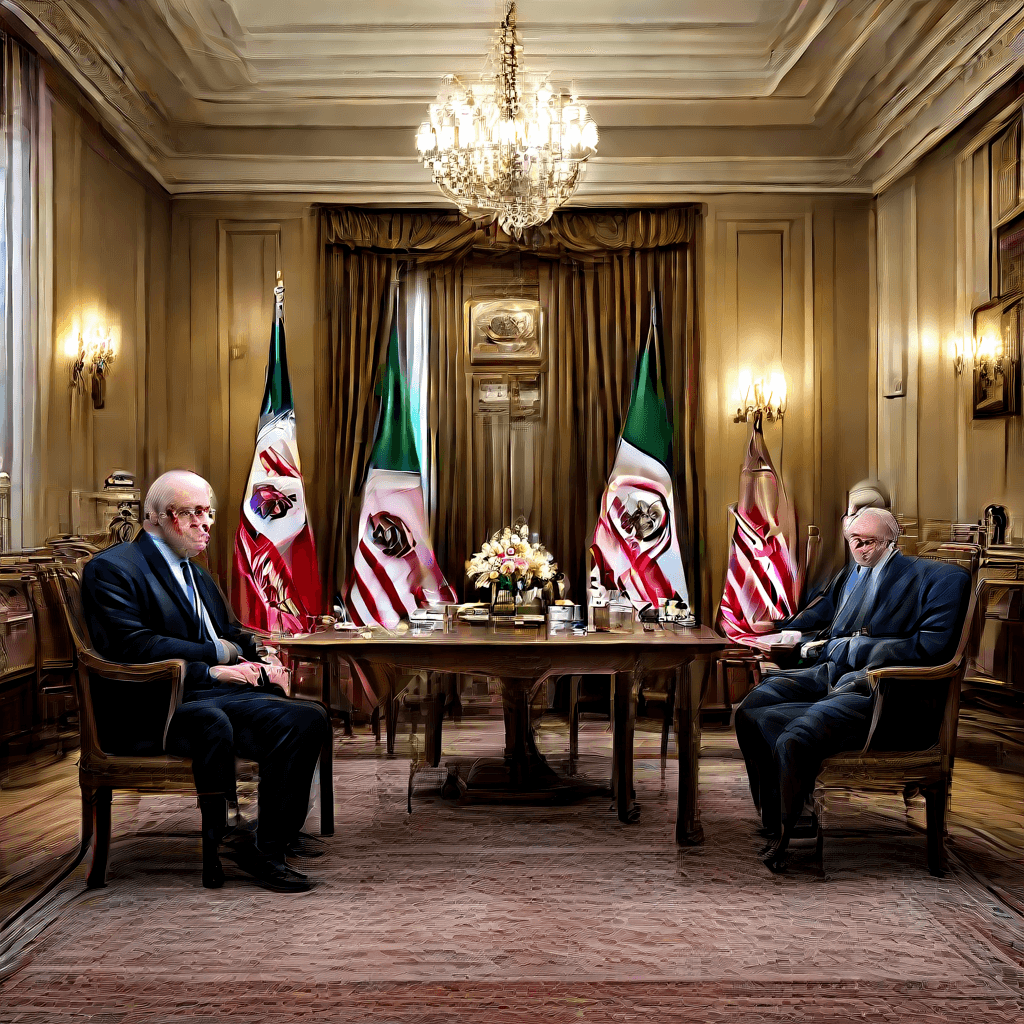
Diplomacy at the Precipice
Diplomatic efforts between Washington and Tehran are reportedly entering a volatile phase of brinkmanship as the ceasefire deadline nears. Current assessments indicate that negotiators are pivoting from the broad optimism of mid-April to the granular demands of implementation. This shift is interpreted by some observers as reflecting a closing window where tactical leverage-seeking often outweighs the initial intent of a sustained truce. The current friction suggests what is characterized as a significant collision between diplomatic goals and domestic political constraints.
While the immediate tension suggests a stalemate, the underlying challenge lies in transitioning from a temporary pause in hostilities to the mechanics of a verified agreement. The focus appears to have moved toward the specific requirements of a long-term framework, revealing a landscape where previous consensus struggles against new geopolitical realities.
The Legacy of the April Sixteenth Accord
The current atmosphere stands in sharp contrast to the momentum of early April. On April 16, mediators facilitated a principal agreement to extend the ceasefire, providing a framework intended to create space for permanent resolution. At that juncture, regional alignment suggested the groundwork for a stable extension was secure.
However, that optimism appears to have faded as broad agreements meet the reality of execution. The erosion of this consensus has forced a pivot from public engagement to discrete regional channels. These secondary lines of communication are now tasked with absorbing the political shocks generated by hardening rhetoric in both capitals, functioning as a buffer against potential diplomatic collapse.
The Islamabad Channel and the Mediation Effort
Reports suggest the survival of this fragile peace depends heavily on the 'Islamabad Channel.' Pakistan's Army Chief, General Munir, and Iranian official Araghchi have emerged as central figures, bridging the gap between the U.S. administration’s stance and the Iranian leadership’s requirements. Their role highlights how regional powers attempt to stabilize the friction inherent in these negotiations.
These mediators prioritize maintaining functional communication even as public statements grow more adversarial. This procedural safety net is designed to navigate the intricate political sensitivities of both nations, attempting to prevent the closing window from resulting in a return to active conflict. However, this capacity is being tested by fundamental disagreements over the next phase of the dialogue.
The Structural Chasm in the Negotiation Framework
Significant structural gaps have re-emerged despite the mediation efforts, threatening the stability of the extension. The primary deadlock reportedly involves the specific conditions and scheduling for a second round of high-level negotiations. Washington and Tehran remain divided on the sequence of diplomatic actions and the benchmarks required for progression.
Skepticism within the U.S. administration is growing, as these gaps represent core disagreements that the April 16 accord deferred. This trust deficit transmits directly into global energy corridors. The lack of a verified timeline for peace creates a volatility premium on maritime insurance and shipping costs, reflecting the high stakes of the current procedural deadlock.
A Narrow Window for De-escalation
Global maritime risk management has shifted focus from a broad extension to the survival of the negotiation process itself. Analysts observe that the current uncertainty is placing a heavy premium on diplomatic outcomes. The immediate objective has narrowed: securing the logistics for a second round of talks before the existing ceasefire expires.
This logic of friction suggests that principal agreements often serve as psychological anchors rather than functional blueprints. The April 16 accord provided temporary stability, but current structural gaps show that core issues were delayed rather than resolved. The architecture of the initial truce, built on deliberate ambiguity, is increasingly viewed as reaching its structural limit.
Translating ambiguous diplomatic intent into rigid operational reality has created a trust deficit that now threatens regional energy equilibrium. The priority for stability remains the logistics of a follow-up meeting to prevent an immediate return to conflict, as the margin for error continues to shrink.
Sources & References
米イラン協議 停戦期限迫る中 実現に向けて駆け引き続く
NHKニュース • Accessed 2026-04-21
トップニュース 国内外の取材網を生かし、さまざまな分野のニュースをいち早く、正確にお伝えします 米FRB議長候補 ケビン・ウォーシュ氏「独立性は不可欠」 4月22日 1:54 アメリカ 米FRB議長候補 ケビン・ウォーシュ氏「独立性は不可欠」 4月22日 1:54 アメリカ 北海道・三陸沖後発地震注意情報 “日頃の備え 改めて確認を” 4月21日 18:46 米イラン協議 停戦期限迫る中 実現に向けて駆け引き続く 4月21日 19:01 東京ドームシティ 従業員が体を挟まれ死亡 点検中に遊具落下か 4月21日 23:31 台湾総統 アフリカ訪問を見合わせ 「中国の圧力」と非難 4月21日 23:23 香港で日本アーティストの公演中止相次ぐ 日中関係が影響か 4月21日 22:30 サッカー女子日本代表 世界ランキング5位に上昇 4月21日 22:33 三陸沖 “ひずみため続ける場所 再び大地震の可能性も”専門家 地震被害「重傷2人軽傷4人」官房長官 道路陥没や外壁落下も “対策が必要な下水道管” 47都道府県で計748km 国交省 人気の「狭小住宅」 国の計画から「最低居住面積水準」削
View Original*朝日新聞 (2026年4月16日)
朝日新聞 • Accessed 2026-04-21
米イラン、停戦延長に「原則合意」か 再協議に向け仲介国の調整続く 2026年4月16日 5時29分 (2026年4月16日 20時33分更新) 有料記事 ワシントン=畑宗太郎 カイロ=坂本進 バンコク=武石英史郎 印刷する メールでシェアする Facebookでシェアする Xでシェアする list はてなブックマークでシェアする パキスタン軍トップのムニール陸軍元帥(左)と会談するイランのアラグチ外相。イラン外務省提供=AP [PR] 米国とイランの2週間の停戦合意について、AP通信は15日、中東の当局関係者の話として、双方が停戦延長に「原則合意した」と伝えた。延長が実現すれば、戦闘終結に向けた再協議の可能性がより高まりそうだ。仲介国 パキスタン の軍トップは同日、再協議に向けた調整のためにテヘランに入り、イラン側と話し合った。 米国とイラン、協議は「21時間」 戦闘やホルムズ海峡めぐり対立 米ホワイトハウスのレビット大統領報道官は15日、米国とイランの「生産的なやりとり」が続いていると述べ、再協議に向けて調整中だと説明した。
View Original米イラン協議 停戦期限迫る中 実現に向けて駆け引き続く
NHK • Accessed Tue, 21 Apr 2026 19:01:37 +0900
米イラン協議 停戦期限迫る中 実現に向けて駆け引き続く
View Original溝埋まらない米イラン 2回目協議めぐり、ぎりぎりの駆け引き続く
Asahi • Accessed 2026-04-21
溝埋まらない米イラン 2回目協議めぐり、ぎりぎりの駆け引き続く
View OriginalWhat do you think of this article?