The Vanishing Perimeter: Otsuchi’s Wildfire and the Failure of Static Defense
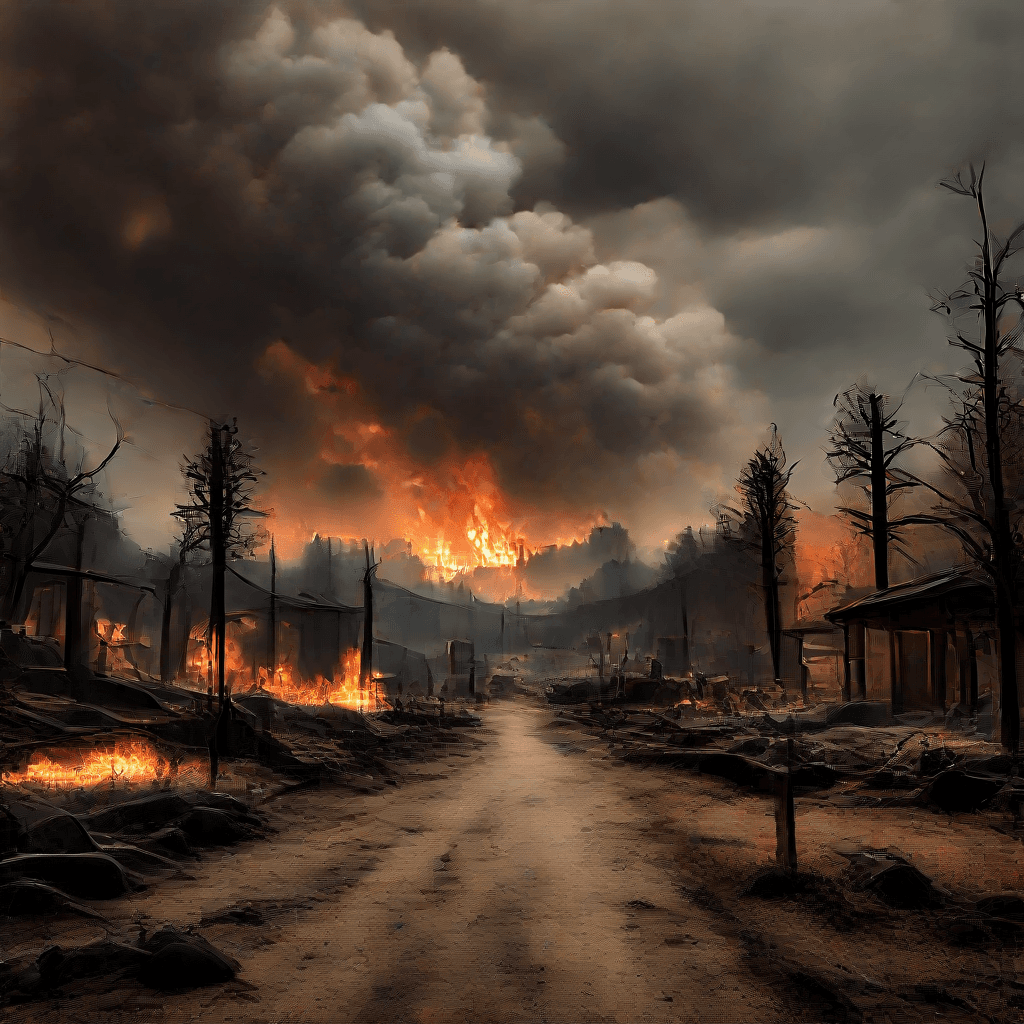
The Collapse of the Static Perimeter
The wildfire consuming the Otsuchi region of Iwate has invalidated traditional containment models. As of April 26, 2026, the fire front advanced into residential neighborhoods situated outside officially designated evacuation zones. This breach represents a systemic breakdown in static perimeter planning. The unpredictable behavior of mountainous wildfires has rendered established safety maps obsolete, transforming a localized forest fire into a shifting regional crisis that outpaces traditional buffer zones.
Logistical requirements for containment have reached a scale demanding total defensive coordination. The rapid expansion of the threat suggests the incident is no longer contained within manageable geographical limits. It has evolved into a non-linear emergency where residential safety depends less on distance from the ignition point and more on atmospheric shifts and volatile fuel loads.
A Multi-Regional Defense Network
The escalating threat to Otsuchi triggered a massive mobilization of resources to form a multi-layered defense. Substantial personnel are currently deployed on the front lines, marking a significant emergency mobilization for the region. Specialized firefighting units from across Iwate Prefecture and neighboring jurisdictions have joined local responders to bolster the defense of encroaching residential zones.
This coordinated effort highlights the regional nature of the crisis. Rugged terrain and the sheer volume of personnel require a command structure that transcends municipal boundaries. The integration of external teams is a strategic admission that the wildfire's scale has exceeded local capacity, necessitating a synchronized defense network to prevent a total breach of the suburban interface.
Industrial Innovation: The Coastal Pivot
Emergency responders have pivoted to advanced coastal extraction technology to combat flames in areas where inland water supplies are strained. Operations involve the deployment of high-capacity pumping systems. These units transport seawater directly from the coast to active fire fronts threatening residential structures.
This shift to industrial-scale coastal pumping represents an evolution in containment strategy. Using seawater as a suppression tool addresses drought conditions and the inadequacy of standard hydrant infrastructure. By utilizing the ocean as a primary resource, the defense strategy acknowledges that localized water reserves are no longer sufficient for a disaster of this magnitude.
The Economic Safety Net
The Otsuchi wildfire has prompted a rapid institutional response to prevent secondary economic collapse. National financial authorities initiated emergency measures to provide stability for individuals and businesses in Iwate. This activation of the financial safety net underscores the systemic risk the wildfire poses to the local economy.
In an era where the Trump administration emphasizes regional fiscal resilience and reduced federal dependency, this central bank intervention serves as a critical stabilizer. It ensures that property loss does not translate into long-term economic depression. By providing liquidity in the immediate wake of the disaster, the institution aims to bridge the gap between emergency suppression and market recovery, aligning with global trends toward localized economic fortification.
The Persistence of Environmental Volatility
Despite the mobilization of personnel and the deployment of coastal suppression technology, the intensity of the Otsuchi wildfire remains unbroken. The scale of the response has yet to yield a decisive reduction in the fire's heat or spread rate. For residents near the shifting perimeter, the persistence of the flames creates a profound sense of uncertainty.
Environmental factors—driven by long-term drought and erratic wind patterns—are currently overpowering existing suppression strategies. This intensity serves as a reminder that human and technological interventions can be neutralized by a wildfire with sufficient fuel. The volatility of the 2026 season suggests that traditional emergency modeling parameters are no longer applicable.
Redefining the Safety Interface
The crisis in Otsuchi serves as a catalyst for re-evaluating residential safety boundaries in high-risk zones. The approach of flames to homes outside current evacuation zones proves that historical safety models are unreliable. Future disaster planning must transition from static perimeters toward dynamic, data-driven evacuation zones updated in real-time by live sensory input.
In the current climate, a "safe" distance is a fluid concept that must account for non-linear fire behavior. Protecting residential life requires a policy shift toward flexibility. The obsolescence of human-centric safety perimeters necessitates a move toward fluid defensive shells that adapt to environmental data. If boundaries can be erased by a shift in the wind, the focus must move from drawing lines to managing risk through technological and structural agility.
Sources & References
岩手 大槌町 山林火災で住宅近くまで火が迫る地点増える
NHKニュース • Accessed 2026-04-26
トップニュース 国内外の取材網を生かし、さまざまな分野のニュースをいち早く、正確にお伝えします 岩手 大槌町の山林火災 避難指示地区以外にも火が迫る 4月26日 6:39 火災 岩手 大槌町の山林火災 避難指示地区以外にも火が迫る 4月26日 6:39 火災 北海道・三陸沖後発地震注意情報 日頃の備え確認を 4月26日 6:00 イラン外相 パキスタン首相らと会談 米は特使らの派遣取りやめ 4月26日 8:02 JR福知山線脱線事故 “最後の生存者”が語ったこと 4月25日 21:12 出生前検査 「NIPT」導入後 より負担大きい「羊水検査」が減少 4月26日 6:11 ブルージェイズ 岡本和真 2試合連続の5号HR 連敗ストップ 4月26日 8:05 【地震情報】鹿児島 悪石島で震度3 津波の心配なし 4月26日 7:32 鉄道 運転士のミス・違反 5年で300件超明らかに 具体的内容は?
View Original令和8年岩手県大槌町の林野火災に係る災害等に対する金融上の措置について(岩手県)
BOJ • Accessed 2026-04-26
令和8年岩手県大槌町の林野火災に係る災害等に対する金融上の措置について(岩手県)
View Original岩手 大槌町の山林火災 避難指示地区以外にも火が迫る
NHK • Accessed Sun, 26 Apr 2026 06:39:00 +0900
岩手 大槌町の山林火災 避難指示地区以外にも火が迫る
View Original岩手・大槌町の山林火災、勢い収まらず 県内外から消防隊の応援
Mainichi • Accessed 2026-04-26
岩手・大槌町の山林火災、勢い収まらず 県内外から消防隊の応援
View Original1400人以上で消火 海水送るスーパーポンパーも 岩手山林火災
Asahi • Accessed 2026-04-26
1400人以上で消火 海水送るスーパーポンパーも 岩手山林火災
View OriginalWhat do you think of this article?