The Nuclear Inheritance: Youth Delegates Reframe the 2026 NPT Conference
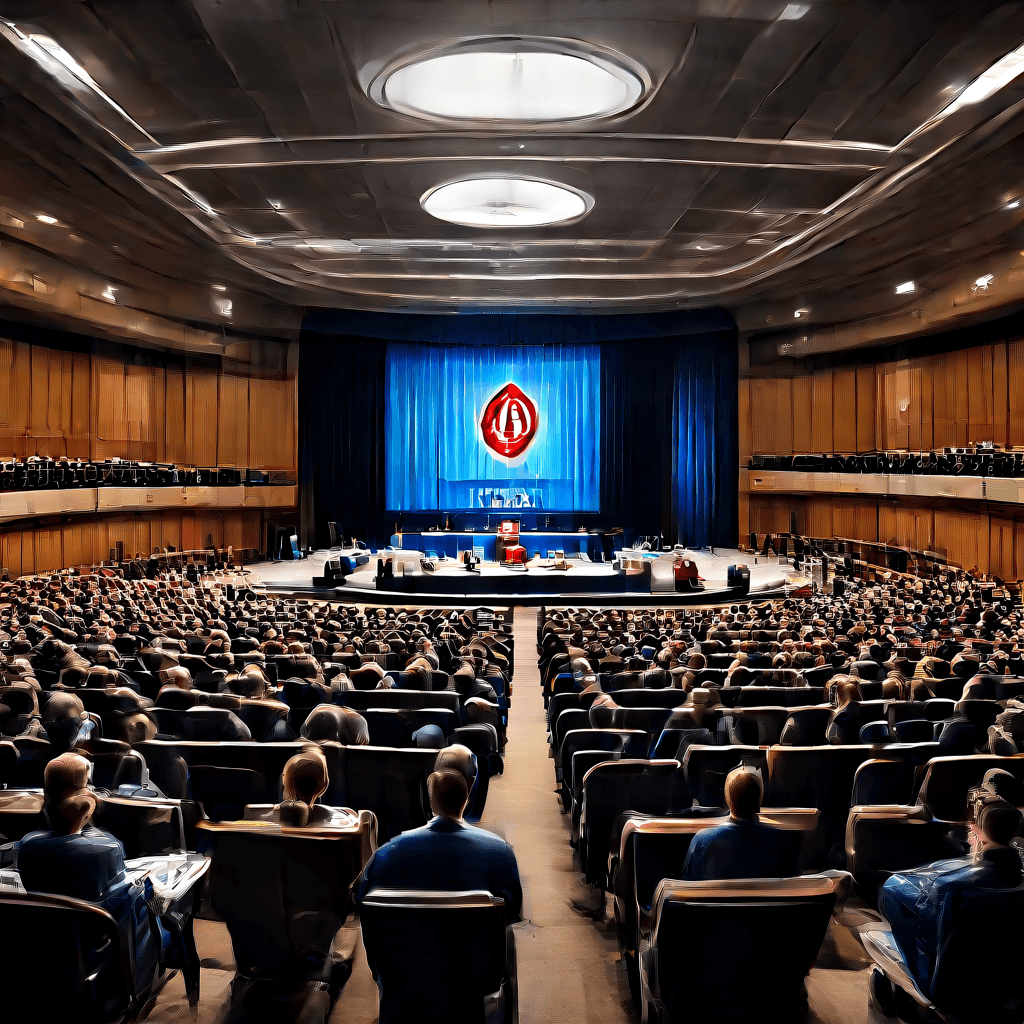
A Framework for Survival at the United Nations
The 11th Nuclear Non-Proliferation Treaty (NPT) Review Conference has commenced a 26-day diplomatic cycle at United Nations Headquarters, signaling a departure from traditional arms-control discourse. The treaty, long considered the cornerstone of global non-proliferation efforts, is no longer treated as a static diplomatic exercise. In the current geopolitical climate, delegates are reframing the NPT as an active framework for survival.
Youth delegates in New York are positioning themselves as primary stakeholders rather than observers. Their presence reflects a growing consensus that the younger generation will inherit the consequences of these negotiations—either a secured peace or the aftermath of systemic failure. This shift moves the dialogue beyond 20th-century rhetoric into the existential reality of 2026, where preserving the future is the only viable metric for success.
The Humanitarian Imperative of Prevention
The moral center of the conference has shifted toward the medical and humanitarian consequences of nuclear conflict, framing the existence of these weapons as a crisis without a cure. Advocacy groups suggest that because no humanitarian infrastructure can effectively respond to a nuclear detonation, a rational management of nuclear risk should prioritize prevention through abolition.
Conversely, several nuclear-weapon states maintain that strategic deterrence remains a necessary component of regional security and global stability. This creates a fundamental tension at the summit between humanitarian mandates and traditional security doctrines.
Discussions regarding "managed risk" or "limited use" are increasingly challenged as biologically and socially irrelevant by proponents of the humanitarian framework. From an investigative perspective, the prevention of nuclear use is being presented as a pragmatic health policy for global civilization. This outlook suggests that disarmament be viewed as an immediate necessity for human continuity rather than a distant ideal.
Technical Foundations for a Secure Future
While humanitarian concerns drive the moral debate, technical integrity remains the bedrock of global security. The foundations established during this 2026 summit must be robust enough to address evolving threats, including the integration of artificial intelligence into command structures and the proliferation of hypersonic delivery systems.
The conference focuses on verification protocols capable of surviving technological shifts and geopolitical instability. These safeguards are viewed as an essential inheritance for the future. The objective is to ensure non-proliferation remains functional for decades, even as global policy under the Trump administration emphasizes more transactional and security-focused international agreements.
From Rhetoric to Responsibility
The demand for the NPT to evolve is fueled by a sense of intergenerational accountability. The treaty is transforming into a system where technical progress and moral responsibility are inseparable. Current diplomatic decisions are now weighed against their long-term impact on the stability of the world that younger leaders will eventually manage.
This reframing treats the 26-day conference as a critical window to establish a framework that prioritizes human survival over military doctrine. By linking rigorous inspection standards with an existential peace framework, the 2026 summit attempts to bridge the gap between immediate security needs and long-term global stability.
Conclusion: The Risk-Adjusted Future
Analysis of the current NPT cycle reveals a junction where historical trends meet modern demands for survival. Some analysts argue that long-term stability is maximized when technical accountability and inspection protocols take priority over rhetorical concessions, though this remains a point of active diplomatic negotiation.
The emphasis on securing the future against evolving threats represents a risk-adjusted response to increasing global complexity. The success of this 11th Review Conference will determine whether the NPT remains a relic of a previous era or transforms into a framework capable of retiring the tools of global destruction.
Sources & References
NPT Review Conference Duration: 26 days
United Nations Headquarters • Accessed 2026-05-02
NPT Review Conference Duration recorded at 26 days (2026)
View OriginalJulia Cordova, NPT Youth Delegate
Pace University / Reverse the Trend • Accessed 2026-05-02
We are not just the leaders of tomorrow; we are the inheritors of the peace or the ruin you decide today. The NPT must evolve beyond rhetoric into a framework for survival. [URL unavailable]
Magritte Gordaneer, Director of Nuclear Weapons Abolition Program
Physicians for Social Responsibility (PSR) • Accessed 2026-05-02
There is no humanitarian response to a nuclear detonation. The only medicine for nuclear war is prevention through complete abolition. [URL unavailable]
Megan Clarke, Nuclear Inspector and IAEA Delegate
Office for Nuclear Regulation (ONR) • Accessed 2026-05-02
Representing the next generation means ensuring that the technical and policy foundations we build today are robust enough to secure our future against evolving nuclear threats. [URL unavailable]
What do you think of this article?