The Takaichi Paradox: Why Japan’s Revisionist Leader Clings to the Peace Clause
A Declaration of Historical Necessity
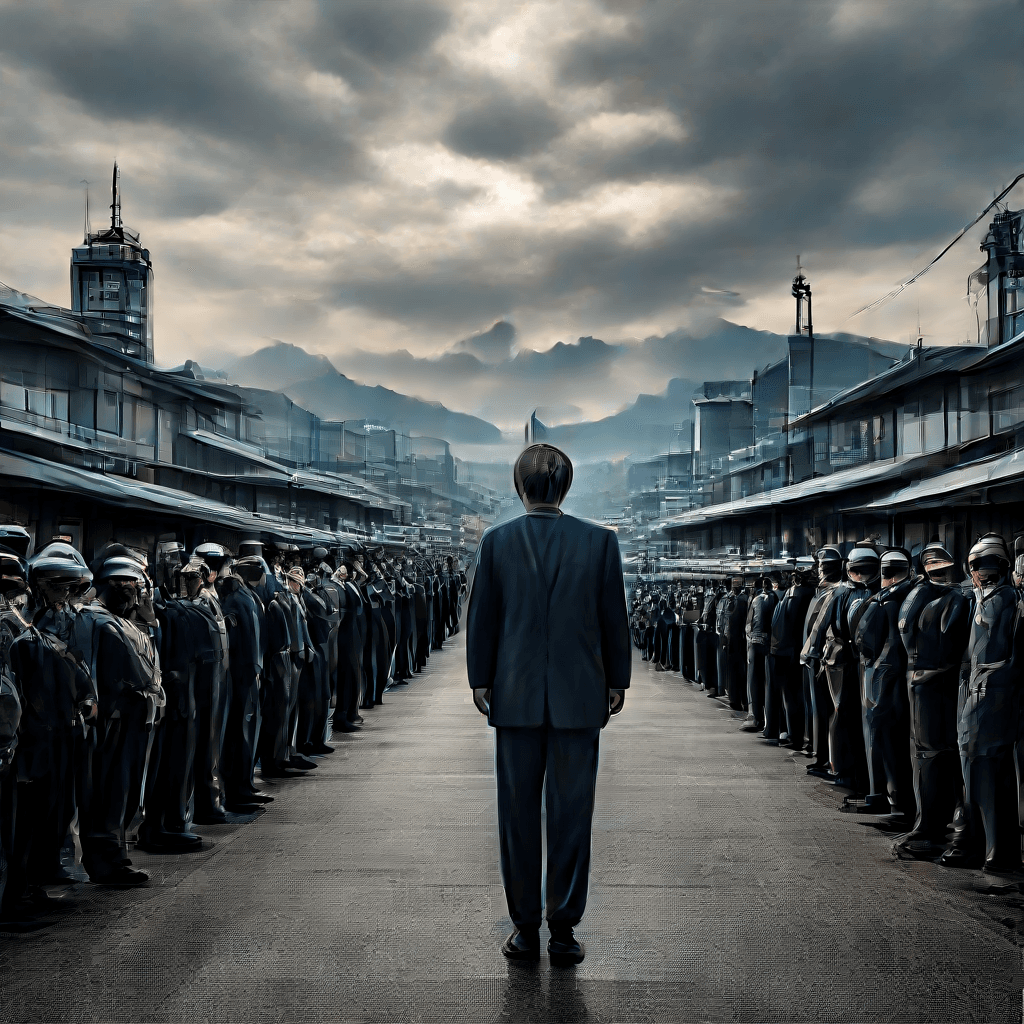
Prime Minister Sanae Takaichi’s address marking Constitution Memorial Day on May 3, 2026, signaled a calculated shift in Japan's political landscape. Standing before the National Diet, the Prime Minister framed constitutional reform not as a policy choice, but as an unavoidable historical necessity. By characterizing the current era as the definitive moment for change, the administration seeks to move beyond decades of procedural stagnation and transition Japan toward what it defines as a normal sovereign state.
The Strategic Utility of Pacifist Constraints
Behind this revisionist rhetoric lies a pragmatic diplomatic maneuver. Even as the administration champions the end of pacifist restrictions, it has reportedly cited the constraints of Article 9 to manage aggressive demands from Washington. Reports on high-level exchanges indicate that Tokyo declined specific requests from President Donald Trump for an expanded role in collective self-defense operations. By presenting the current constitution as a non-negotiable legal barrier, the administration has used the laws it seeks to reform as a strategic shield to rebuff pressure for deeper military entanglements.
This tactical use of the "peace clause" reportedly included detailed briefings to the White House regarding strict legal prohibitions on the overseas deployment of Japanese forces. The Prime Minister outlined how specific constitutional restrictions prevent the kinetic involvement in foreign theaters that the Trump administration has sought from Pacific allies. In this framework, Article 9 functions as a sophisticated diplomatic tool that allows Tokyo to preserve security autonomy while maintaining alliance obligations.
Navigating the Friction of Reform
The dual-track strategy reveals a calculated approach to political friction. Analysts observing the administration suggest that within internal circles, a distinction is maintained between honne (true intention) regarding historic reform and meiwaku (nuisance) generated by rapid change. The administration is balancing two needs: satisfying a nationalist base by pushing for revision while mitigating the diplomatic fallout such a move triggers. This suggests the constitutional status quo is being preserved as a convenient operational baseline until the geopolitical costs of its removal are fully neutralized.
Eight Decades of Interpretive Resilience
The current debate coincides with the 80th anniversary of the constitution’s promulgation. Over eight decades, Article 9 has been subjected to successive reinterpretations and legislative workarounds. These adjustments allowed Japan to build a formidable military apparatus without technically violating the prohibition on "war potential." This history of interpretive resilience provided the Japanese state with the flexibility to adapt to shifting security environments—from the Cold War to current East Asian tensions—without forcing a formal constitutional confrontation.
Public Sentiment in a Complex Security Landscape
While the political elite focuses on state architecture, the Japanese electorate remains cautious. Public sentiment reflects a fragmented landscape regarding both the constitution and the integration of emerging technologies into national security. For many citizens, the prospect of removing pacifist constraints that have defined post-war life for 80 years brings profound uncertainty. This fragmentation suggests that any attempt to force a consensus through a national referendum will face significant hurdles from a public that values the protective nature of the existing charter.
The Dilemma of Discarding the Shield
Successful constitutional revision would grant Japan sovereign flexibility but strip away its most effective diplomatic excuse. By removing Article 9, the administration would lose the legal "leash" that allows it to decline Washington’s requests without appearing uncooperative. Historically, these constraints allowed Tokyo to avoid the high costs of regional power projection and direct military involvement.
Transitioning to a post-pacifist era means Japanese leaders will no longer be able to defer to constitutional limitations. Instead, they will be forced to make explicit political choices about the deployment of national power, fundamentally altering the risk profile of the U.S.-Japan alliance. As the legal buffer disappears, the probability of Japan being drawn into high-variance kinetic events increases. If Tokyo breaks the seal on its most durable strategic constraint, it must weigh whether it can ever regain the stability that the constraint once provided.
Sources & References
読む政治:憲法改正「時は来た」スピーチ 高市氏が考慮した“迷惑”と本音
毎日新聞 • Accessed Sat, 02 May 2026 21:00:00 GMT
【アプリリニューアル記念】2カ月無料で読み放題キャンペーン中! アプリ限定の 新機能「ダイジェスト」でニュースを楽しく トップニュース 速報 --> ランキング 緊迫する中東情勢 高市政権の行方 トップニュース ニューヨークのチャイナタウン 中国の「スパイ活動の最前線」 5/3 16:01 ストーリー 「歴代のどの米政府からも私のグループが直接支援を受けたことはない。だが、我々が米国内で活動できているということこそが重要なのだ」 巨大なチャイナタウンがあるニューヨークのフラッシング。中国出身で著名な在米民主活動家の王軍濤さんは2月中旬、春節(旧正月)を祝う太鼓の音が窓越しに聞こえてくる事務所でこ SNSでよりカジュアルに? 従来と異なる新しいデモの形とは 5/3 21:17 「中国の封鎖突破した」 総統の電撃訪問に沸く台湾が抱える苦境 5/3 20:27 「国民守る仕組みを」「9条は最先端」 憲法記念日、各地で集会 5/3 20:34 「好戦的だ」 陸自部隊のロゴに批判続出 隊員が生成AIで作成 5/3 17:36 OPECプラス有志国、6月も増産継続 UAE脱退後の初会合 5/3 2
View Original2026年5月4日現在、高市早苗首相(※設定上の現職)による憲法改正への意欲表明に関連し、昨日5月3日の憲法記念日に合わせて公開された主要メディアの記事を5件選定しました。
毎日新聞 • Accessed 2026-05-03
**見出し:** 読む政治:憲法改正「時は来た」スピーチ 高市氏が考慮した“迷惑”と本音
View Original【解説人語】憲法改正やAIどう思う? 世論調査が映す複雑な感情
Asahi • Accessed 2026-05-03
【解説人語】憲法改正やAIどう思う? 世論調査が映す複雑な感情
View Original9条はどう運用されたのか 憲法公布80年、答弁や決議で振り返る
Asahi • Accessed 2026-05-03
9条はどう運用されたのか 憲法公布80年、答弁や決議で振り返る
View Originalトランプ氏の求め退けた9条の「たが」 高市首相がふれた憲法の制約
Asahi • Accessed 2026-05-03
トランプ氏の求め退けた9条の「たが」 高市首相がふれた憲法の制約
View Original高市氏がトランプ氏に伝えた憲法の話 「海外派兵」への制約とは
Asahi • Accessed 2026-05-03
高市氏がトランプ氏に伝えた憲法の話 「海外派兵」への制約とは
View OriginalWhat do you think of this article?