Strategic Shield: The Institutional Crisis in South Korea’s Prosecution Service
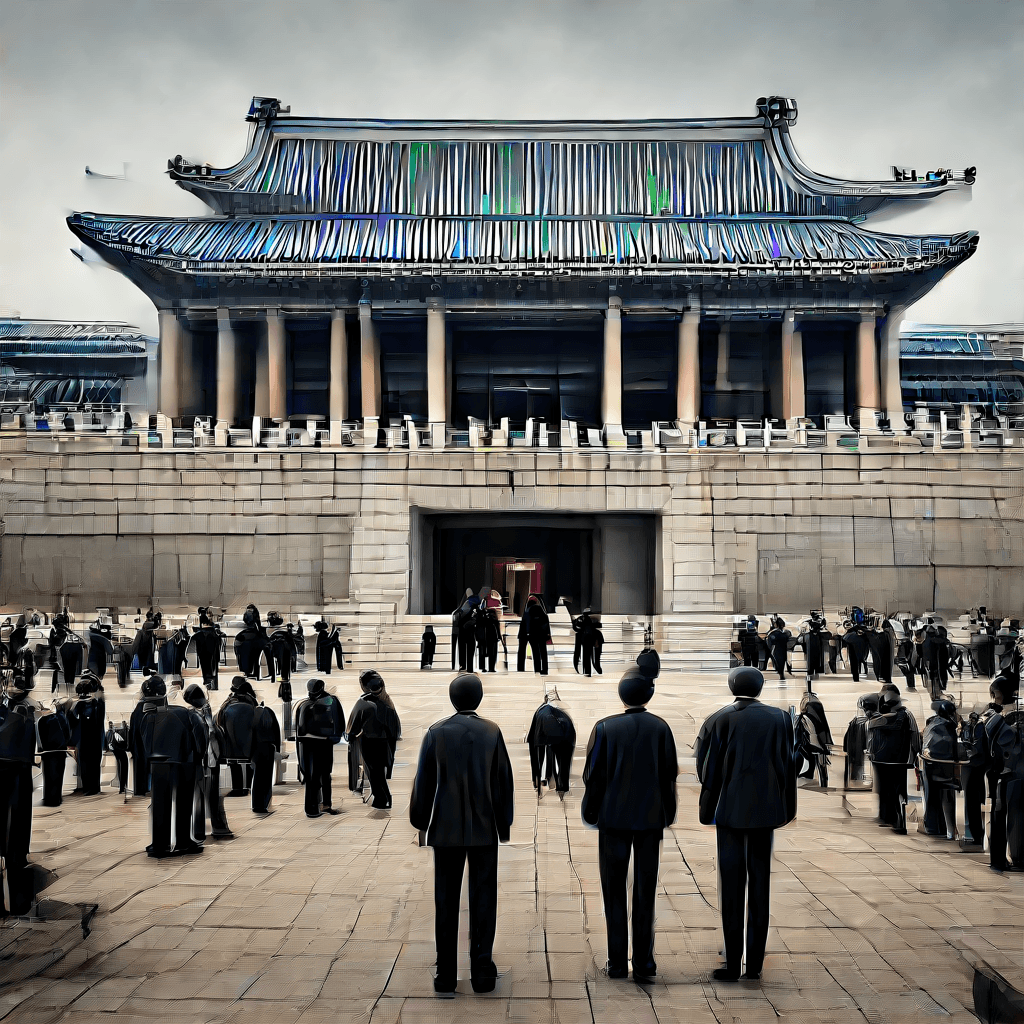
A Strategic Reprieve in Seoul
The South Korean executive branch has moved to decelerate the 'Fabricated Indictment' Special Prosecutor Act, a decision currently reshaping the nation’s judicial landscape. This intervention did not stem from legal flaws or constitutional conflicts; official assessments confirmed the bill’s structural integrity. Instead, the presidency ordered a precise timing adjustment, pausing an independent investigation into allegations of prosecutorial misconduct.
This maneuver signals a deliberate attempt to manage judicial accountability via administrative scheduling rather than legislative challenge. By controlling the timeline, the administration has introduced a buffer between the law's passage and its practical enforcement, highlighting the executive's power to throttle the intensity of domestic legal scrutiny. This strategic pause, while confirming the law's technical validity, directly shifts the focus from legal structure to the immediate political environment of the upcoming elections.
The Countdown to Local Elections
The decision to halt the special prosecutor’s mandate is tied to the 2026 political calendar. With exactly 29 days remaining until major local elections, the government is navigating a period of heightened partisan sensitivity. Launching a high-profile investigation into the prosecution service now would likely transform a legal inquiry into a central campaign issue, potentially distorting voter sentiment and eclipsing substantive policy debates.
By enforcing this cooling-off period, the administration seeks to insulate the upcoming vote from judicial polarization. However, the timing has triggered internal friction, with critics viewing the move as a tactical shield for the ruling establishment. This attempt to stabilize the political arena has, in turn, catalyzed an unexpected professional backlash from within the judiciary itself as personnel weigh the risks of future political shifts.
Defiance from the Ranks
The delay has not pacified the legal community; rather, it has triggered a wave of defiance within the prosecution service. Rank-and-file prosecutors are actively exploring mass resignations and extended leaves to avoid assignment to the special prosecution team. For mid-level officials, participating in the probe is increasingly viewed as a professional dead end.
There is a growing fear that today’s investigators will become tomorrow’s targets of retaliation when political tides turn. This collective refusal to serve threatens an institutional crisis where the special prosecutor may lead an office with insufficient personnel to execute warrants. This breakdown in personnel continuity necessitates a deeper evaluation of whether the law's validity can withstand the pressures of administrative timing.
Legal Soundness versus Political Timing
The current impasse highlights a rare institutional paradox: a government that supports a bill’s content but blocks its immediate implementation. Evaluations have confirmed that the Special Prosecutor Act meets standards for legal integrity, yet the postponement order remains absolute. This stance suggests the presidency views the law not as a flawed instrument, but as a correctly calibrated tool deployed in a volatile environment.
The friction lies in the prioritization of political timing over legal soundness, raising fundamental questions about the independence of law enforcement from the political calendar. When the executive branch acknowledges a reform's validity but blocks its start date, the resulting vacuum is filled by institutional mistrust. Such mistrust provides the necessary political vacuum for a pivot toward the economic grievances of the electorate.
Shifting the National Conversation
Postponing the judicial confrontation has cleared the path for political parties to pivot toward voter-centric economic promises. Campaign platforms previously dominated by prosecutorial reform are now focusing on regional growth and housing stability. Major parties are competing for the "mega-region" development mandate, proposing infrastructure projects to balance growth outside Seoul.
Simultaneously, housing policies like "half-price lease" models have emerged as central election pillars as politicians attempt to capture the middle-class vote. This shift indicates a calculated effort to re-center the national conversation on economic survival, utilizing the judicial delay as a release valve for domestic tension. The immediate political benefit is a return to bread-and-butter issues, though this strategic redirection does not erase the mounting systemic costs of the initial delay.
The Cost of Postponement
While the delay offers a temporary reprieve from election-season polarization, the long-term cost to institutional trust is mounting. By acknowledging the bill’s legal validity while blocking its progress, the administration risks creating a perception that judicial reform is subordinate to political expediency. This perception erodes the principle that the law operates independently of political cycles.
Furthermore, the mass defiance within the prosecution service—driven by fears of future retaliation—signals a systemic failure in internal discipline. If the special prosecutor's team is eventually formed amidst this atmosphere of suspicion, its findings may be permanently compromised. The structural friction suggests that the timing of justice is being utilized as an executive lever to preserve political stability, creating a recursive loop of mistrust where both the public and practitioners lose faith in the protection of the law.
AIInsight: The Prosecution Vacuum
The projected refusal rates—reaching 74% in May 2026—suggest that the 'strategic reprieve' has inadvertently triggered a professional exodus. This data, derived from institutional personnel tracking and internal resignation intent surveys, indicates that the cooling-off period intended to stabilize the election may instead be hollowing out the very institution tasked with upholding the law. The formal impact of these vacancies remains subject to upcoming personnel reviews following the June elections.
Sources & References
시기 늦춘 조작기소 특검…청, 법안 내용엔 이상 없다는 입장
한겨레 • Accessed Mon, 04 May 2026 12:45:00 GMT
지선 공약 대결…민주 ‘메가특구 균형발전’, 국힘 ‘수도권 반값전세’ 6·3 지방선거가 29일 앞으로 다가오면서 여야의 ‘정책 대결’도 본격화하고 있다. 더불어민주당은 ‘여당 프리미엄’을 앞세운 지역 성장 구상을 부각했고, 국민의힘은 수도권 민심 확보를 겨냥한 부동산 정책을 앞세우는 모양새다. 민주당은 이재명 정부의 국가 균형발전 전략인 ‘5극 3특’(수도권·동남권·대경권·중부권·호남권, 강원·전북·제주특별자치도)’과 민주, 메가특구·우리아이자립펀드·기후보험 등 공약 내놔 로봇·AI 자율주행차 등 전국에 4대 ‘메가특구’
View Original*MBC 뉴스 (MBC News)
MBC • Accessed 2026-05-05
**전체 제목:** 정무수석 브리핑, '조작기소 특검법' 시기 조절 주문... 정치권 파장
View Original*매일경제 (Maeil Business)
매일경제 • Accessed 2026-05-05
나만의 AI 비서 Main Home Headline News 돈 안된다 외면에도 K반도체 르네상스 이끈 HBM 우리 반도체 기업에 투자하면서 HBM을 모르시는 분들은 없으시겠죠. 특히 SK하이닉스라는 회사와 HBM은 떼려야 뗄 수 없는 관계입니다. SK하이닉스는 HBM을 세계 최초로 개발했을 뿐만 아니라 이 덕분에 한때 삼성전자를 제치고 D램 시장 세계 1위를 1년간 차지하기도 했습니다. 무려 30년간 삼성전자가 유지해온 자리를 빼앗은 것이죠. HBM은 메모리 반도 삼전닉스, 올해 예상 이익 8년만에 8.5배 늘어 550조 사회 종합특검, 한동훈 출국 금지 韓 할테면 해보라 부동산 서울 아파트 13억 vs 15억 상승장에 더 엇갈린 집값 통계 증권 '7천피' 가시권에 차익실현 나선 개미 한 달 새 18조 순매도 도수치료 빼고 보험료 낮춘다 5세대 실손보험 달라진 점은 광주 여고생 살해 20대男 자살 고민하다 범행 어서와 청와대는 처음이지 어린이 초청한 李대통령 1년만에
View Original*뉴시스 (Newsis)
뉴시스 • Accessed 2026-05-05
' 호르무즈 폭발 ' 선박 , 예인 대기 靑 " 화재 원인 규명 수일 걸릴듯 " 호르무즈 해협 인근에서 화재가 발생한 HMM 벌크선 'HMM 나무호'가 예인선 확보를 위해 해협에서 대기하고 있다. 아직까진 하선 의사를 밝힌 승무원이 없으며 대부분 잔류하고 있는 것으로 나타났다. HMM 관계자는 예인선을 구하고 있다 며 시간이 얼마나 걸릴지 모르겠다 고 5일 밝혔다. 이어 아직까지 하선하겠다는 의지를 밝힌 승무원은 없는 상황 이라며 하선 희망 시 교대 인력을 구할 것 이라고 덧붙였다. HMM 나무호는 화재 발생으로 전력이 자동으로 차단돼 자력으로 움직일 수 없는 상황이다. 이에 아랍에미리트(UAE), 사우디아라비아 등 현지에서 예인선을 섭외하고 있는 것으로 전해졌다. 예인선이 확보되면 인근 두바이항으로 이동해 선박 수리와 함께 화재 원인에 대한 조사도 진행할 예정이다. 이에 정부는 관련 전문가를 보내 화재 선박을 조사하는 한편 선원 안전도 실시간으로 파악한다는 방침이다.
View Original검사들 “조작기소특검 가라고 하면 휴직-사표…나중에 수사 받을라”
동아일보 • Accessed Tue, 05 May 2026 17:32:00 +0900
검사들 “조작기소특검 가라고 하면 휴직-사표…나중에 수사 받을라”
View OriginalWhat do you think of this article?