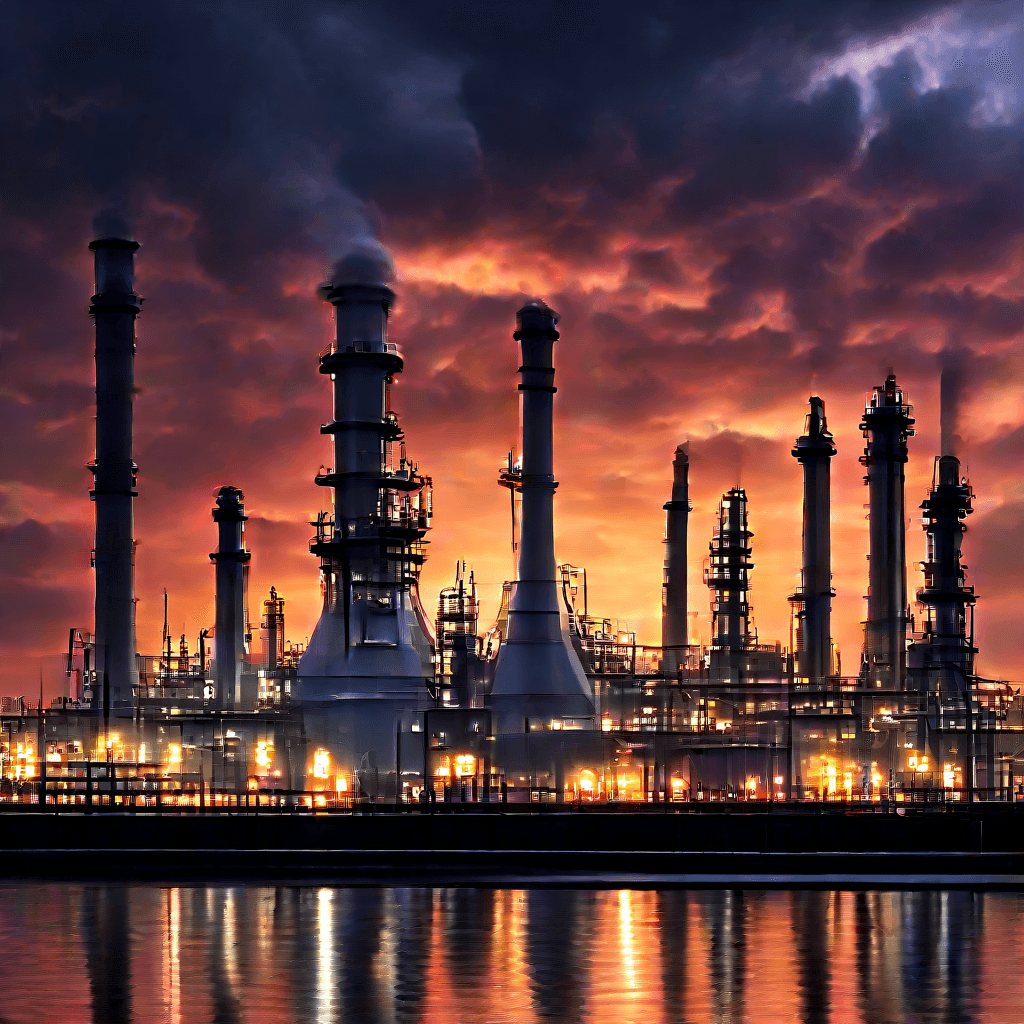
Strategic Shield: South Korea Secures 90% Naphtha Recovery via US Energy Pivot
South Korea stabilizes its petrochemical sector with a $500 million subsidy and a strategic shift to American energy, aiming for 90% supply recovery by May.

South Korea stabilizes its petrochemical sector with a $500 million subsidy and a strategic shift to American energy, aiming for 90% supply recovery by May.

The U.S. Treasury's campaign against the Shamkhani network transforms Iran's maritime tolls into a terminal compliance risk for global shipping entities.

The U.S. shifts Pacific maritime policy to prioritize territorial sovereignty and commercial fishing, safeguarding a $1.7 billion industry against rising seas.

Cardiff's housing market faces a structural impasse as rental inflation and fiscal thresholds create a formidable barrier for first-time buyers in 2026.

The collapse of the traditional 1 PM lunch hour is reshaping the US food economy. Discover how stagnant office occupancy and inflation are driving restaurant investment to the suburbs.

South Korea shifts to duration-based capital gains taxation, hitting non-resident investors with a 30% deduction cap and rigorous residence audits in 2026.
South Korea’s semiconductor profits hide deepening structural challenges as potential growth dips below 2%. Analysis suggests long-term risks to economic stability by the 2040s.

Korea GDP rebounded 1.7% in Q1 2026 on semiconductor exports and investment. Discover why April Middle East spillovers will decide if this recovery lasts.

The launch of the CAPE platform for tariff refunds signals a strategic shift in U.S. trade policy toward administrative precision and managed protectionism.
South Korean exports hit a record $50.4 billion in April 2026, driven by a semiconductor boom that temporarily offsets rising energy costs and Middle East tensions.

POSCO’s $4 billion steel mill in India marks a strategic pivot to secure supply chains amid 2026’s 'Adjustment Crisis' and Middle East maritime instability.

The Middle East faces a critical 72-hour window as the Hormuz blockade and U.S. 'total seizure' policy push regional stability toward collapse.