
Economy•
The Burnout Subsidy: Why American Childcare Infrastructure Faces Systemic Collapse
The U.S. childcare industry hits a structural limit as low wages and high turnover drive a mass exodus to retail, threatening 2026 industrial stability.
The U.S. childcare industry hits a structural limit as low wages and high turnover drive a mass exodus to retail, threatening 2026 industrial stability.

Japan tests the waters in the Strait of Hormuz with its first vessel passage since regional instability, signaling a shift in the Takaichi administration's energy strategy.
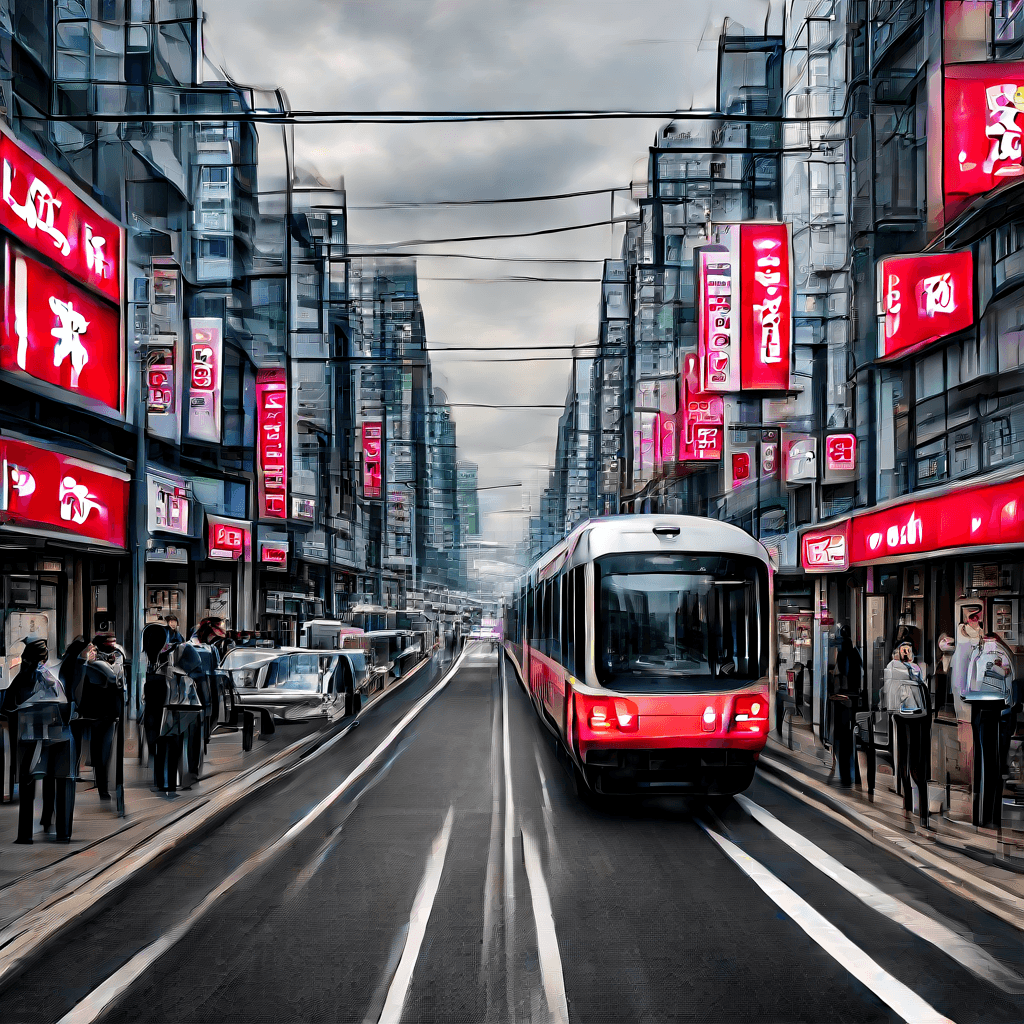
Japan’s suspected market intervention at the 155-yen level offers a temporary reprieve, but rising oil prices and Trump-era protectionism suggest a battle against long-term vulnerabilities.

Analyze the widening gap between $110 paper oil and $200 physical reality as Iran transforms the Strait of Hormuz into a high-stakes economic extraction zone.
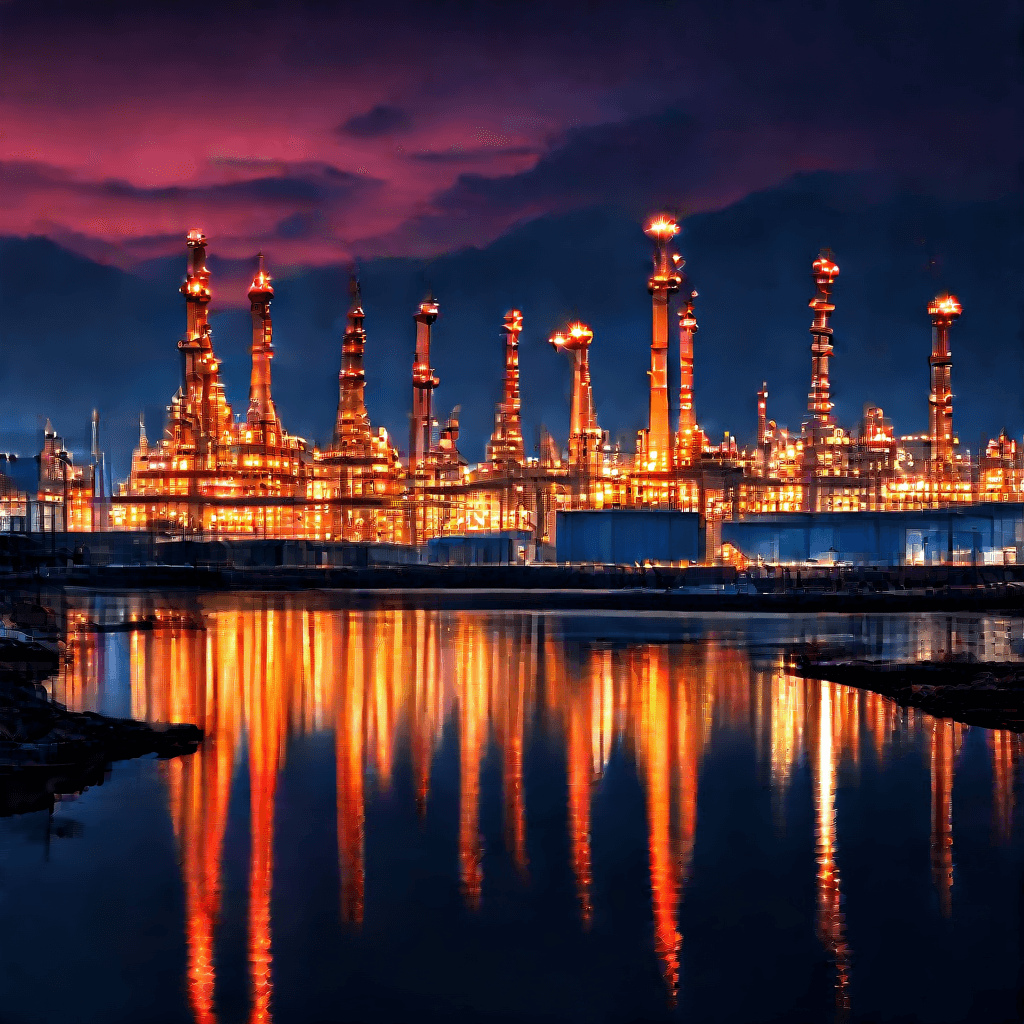
South Korea stabilizes its petrochemical sector with a $500 million subsidy and a strategic shift to American energy, aiming for 90% supply recovery by May.

The U.S. Treasury's campaign against the Shamkhani network transforms Iran's maritime tolls into a terminal compliance risk for global shipping entities.

The U.S. shifts Pacific maritime policy to prioritize territorial sovereignty and commercial fishing, safeguarding a $1.7 billion industry against rising seas.
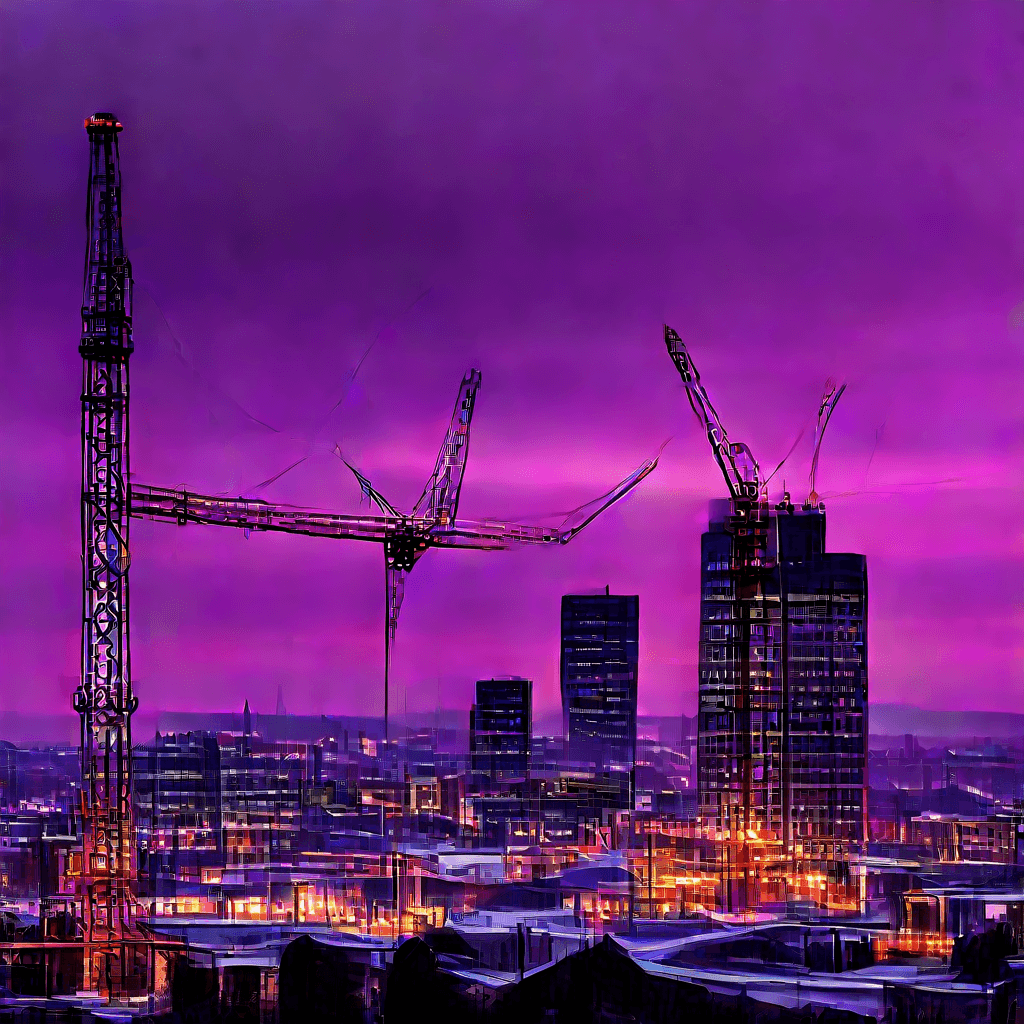
Cardiff's housing market faces a structural impasse as rental inflation and fiscal thresholds create a formidable barrier for first-time buyers in 2026.
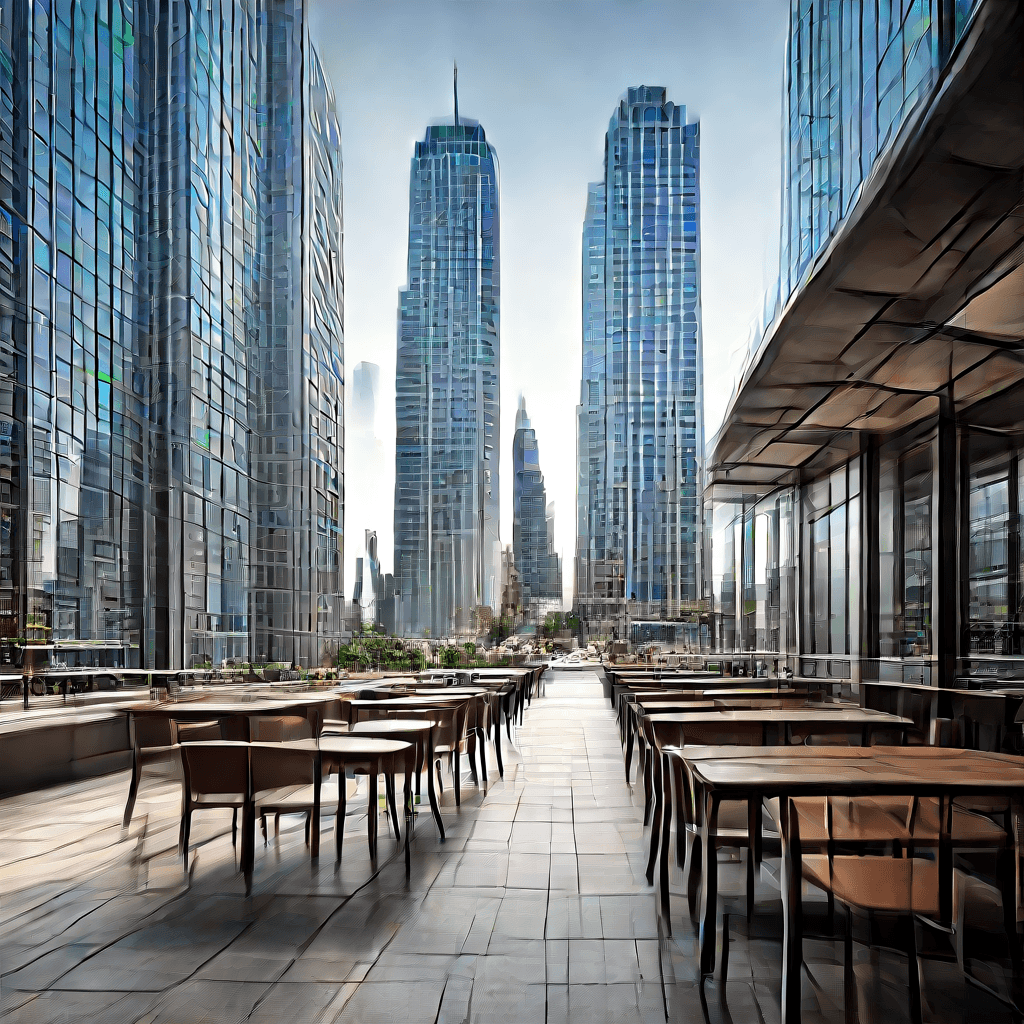
The collapse of the traditional 1 PM lunch hour is reshaping the US food economy. Discover how stagnant office occupancy and inflation are driving restaurant investment to the suburbs.
South Korea shifts to duration-based capital gains taxation, hitting non-resident investors with a 30% deduction cap and rigorous residence audits in 2026.

South Korea’s semiconductor profits hide deepening structural challenges as potential growth dips below 2%. Analysis suggests long-term risks to economic stability by the 2040s.

Korea GDP rebounded 1.7% in Q1 2026 on semiconductor exports and investment. Discover why April Middle East spillovers will decide if this recovery lasts.